lobe
noun lobe
ləʊb
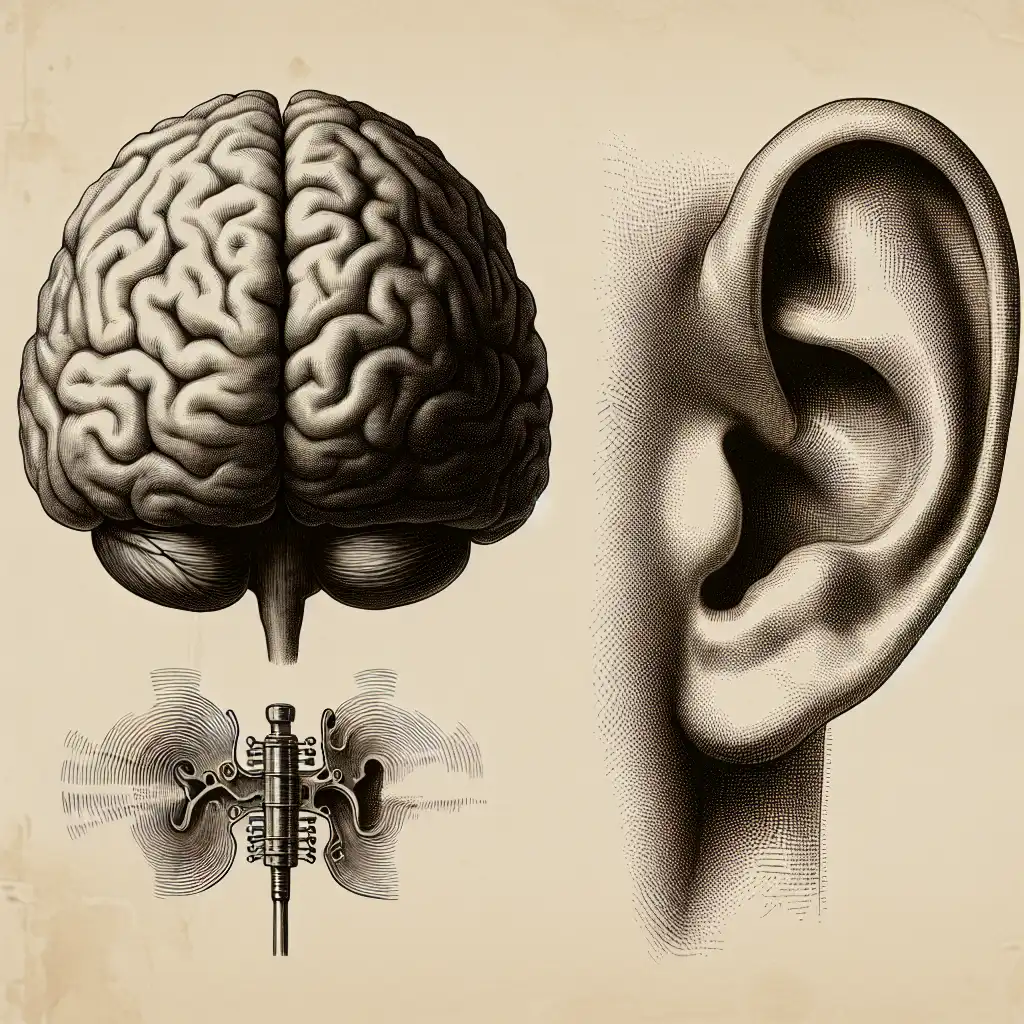
A rounded part or section of something, for example the parts of your brain or your ears.
The frontal lobe of the brain is responsible for problem solving and decision making.
lobe
ləʊb
Đang tải…
ləʊb
A rounded part or section of something, for example the parts of your brain or your ears.
The frontal lobe of the brain is responsible for problem solving and decision making.
ləʊb
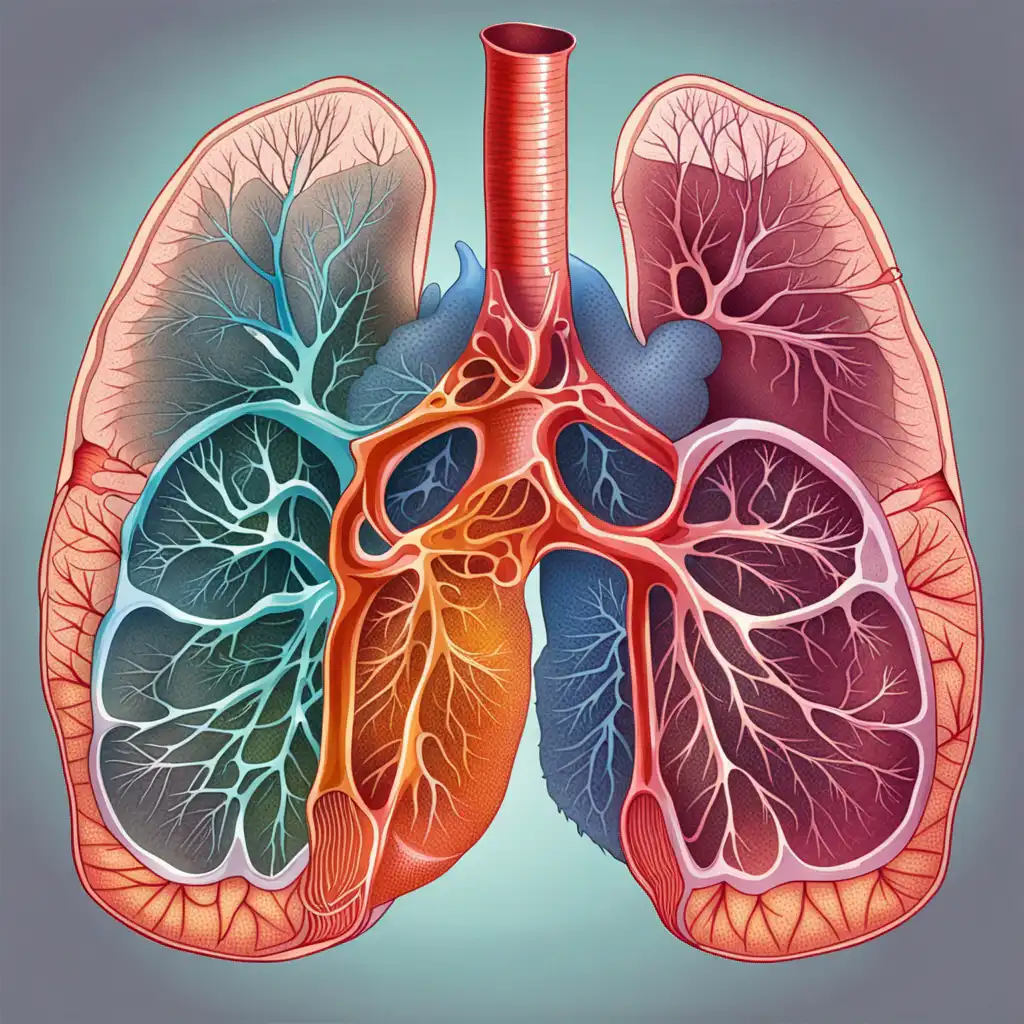
A rounded projection, especially a rounded, projecting anatomical part.
Each lung has three lobes.
ləʊb
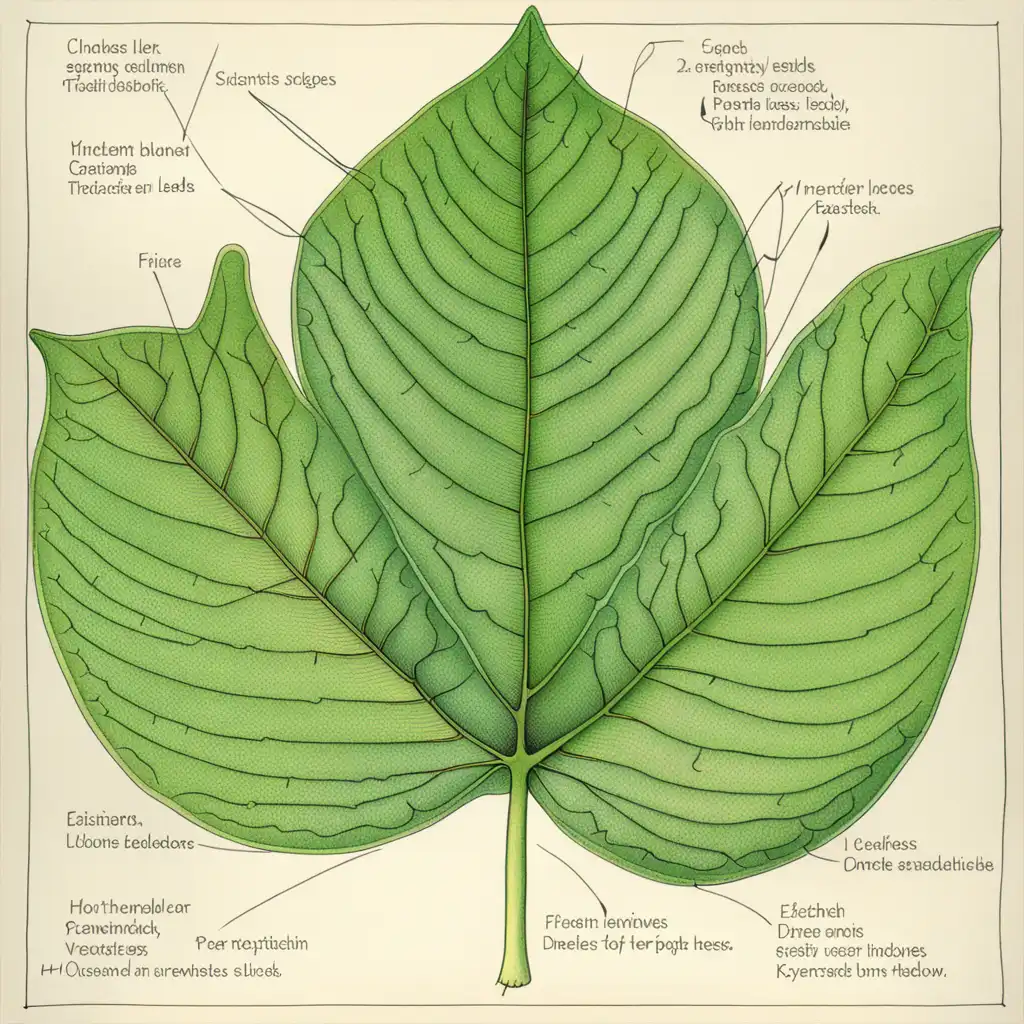
A distinct part of an organ or organism, often one of several or many similar parts.
The leaf has five lobes.
Không tải được âm thanh. Vui lòng thử lại sau.
The word "lobe" usually refers to a part of something that sticks out or is separate from the rest. For example, your ear has a lobe that hangs down, or a lung has lobes that are different sections of the organ. It's a descriptive word that can help you talk about the different parts of things that might be important to know or identify.
Division usually means a separation or split of something, like a company dividing into different branches.
While both words can refer to parts of something, division is more about splitting and separating, while lobe is more about the physical shape or structure of something.
Mở từ: Division →A part refers to any portion of an object or system, without implying a distinct shape or structure.
It can refer to a component, piece, or division of something larger. For example, a car has many parts, such as the engine, wheels, and brakes.
A lobe is a specific rounded or bulging section of a structure or organ, while a part refers to any portion or component of an object or system.
Mở từ: Part →Both lobe and portion refer to a part or section, but lobe usually refers to a specific anatomical or structural part of an organ or body, often in a rounded or curved shape, such as the lobes of the brain or lung.
Meanwhile, portion is a more general term that can refer to any part or section of something, without necessarily implying a specific shape or function.
For example, you might talk about a portion of pizza or a portion of a book, but you would not refer to a lobe of pizza or a lobe of a book.
Mở từ: Portion →A section is a part or piece of something that has been cut, divided, or separated from a larger whole.
It can refer to any type of division, shape, or size. For example, a pie can be divided into sections; a book can have different sections based on topics or chapters.
A lobe is a specific anatomical term used to define a rounded shape in an organ, while a section refers to a part or division of something that can vary in shape and size.
Mở từ: Section →A segment is a part or section of something that is divided into parts or sections.
A lobe is a rounded projection or part of an organ while a segment is a part or section of something that is divided into parts.
Mở từ: Segment →A lobe refers to a round or oval shaped part of an organ or body, while side refers to one of two portions that are symmetrical.
A person has two sides - left and right, which are used to refer to different parts of the body or object.
Side is often used to compare or contrast two things or to describe a position.
Mở từ: Side →Wing refers to the flattened appendages attached to the sides of a bird's body that allow it to fly.
Lobe usually refers to a rounded part or projection of something while wing refers to the flattened appendages that allow birds and airplanes to fly.
Mở từ: Wing →that have specifically evolved to help us recognize faces. Like the fusiform face area and others in the occipital and temporal lobes. It makes sense too we're very social animals with highly complex ways of interacting with each other. When we see faces we have to recognize they are faces
Xem trên YouTube ↗All I can say is sometimes home gets burned into your occipital lobe, and it can't leave you, and there's always that longing.
The second key area is located in the temporal lobe shown right here. You have two temporal lobes in your brain the right and the left, and deep in the temporal lobe is a key structure critical for your ability
Xem trên YouTube ↗Flowers die and wine gets consumed. Both are lovely. I appreciate both. Wine and roses. I actually had someone bring me a lobe of foie gras once.
the coyote population is also benefited pronghorn antelope you see coyote specialize in feeding and young the lobe fawns and their mothers as they try to protect their offsprings will do not on top of all these ecological and
Xem trên YouTube ↗My frontal lobe doesn't function well. When I'm out with friends, I typically have a cup of coffee, and that's not good for my sleep. And yet I'll do it again, night after night - 'Oh why did I have that cup of coffee?' I can't stop it because I love it.
in our frontal lobes that correlate with a relaxed mental state this is all part of an emerging sub-discipline that I call neuro Biophilia the science of how nature engages the brain now I love that we have all the some technology to help
Xem trên YouTube ↗My wife says I have a frontal lobe issue. Your frontal lobe controls your danger response, like, 'Whoa, I shouldn't be doing this.
existing in nutrient poor soil the venus flytrap harvests the vital food it needs by catching prey in its jaw-like leaves each trap is actually a modified leaf split into two red lobes
Xem trên YouTube ↗I'm pretty much self-taught - I never went to any courses. If I want to learn about, say, the frontal lobe, I'll buy 40 books and absorb them in a couple of weeks. I'm a nerd like that.
There is a film. You're seeing a film which has nothing to do with you -- or that's how people think about it. There is also a rare thing called temporal lobe epilepsy, and sometimes if one has this,
Xem trên YouTube ↗I'm still getting used to changing earrings - It still feels really weird to be pushing bits of metal through holes in my earlobes that weren't there a few weeks back, and actually seeing and feeling the holes in my lobes is still a bit freaky.
It comes completely conscious. It's got state-of-the-art lobes. We've got the occipital lobe so we can actually see the world. We got the temporal lobe so we can actually hear the world. Here we've got a little bit of long-term memory, so you know that night you want to forget when you got really drunk? Bye-bye! Gone.
Xem trên YouTube ↗The irony is that the more we fight age, the more it shows. Paint on a 50-year-old face brings to mind a Gilbert and Sullivan comic figure. Smooth the cheeks, and suddenly the ear lobes and hands look out of place. Do we run around in October, painting the gold leaves green?
life had branched out to include most of the animal groups we know today. Trilobites were an important part of this surge. All trilobites had three lengthwise lobes, but building off the same basic components, they varied greatly.
Xem trên YouTube ↗In Buddhism, they say attachment to anything only leads to suffering. So when we laugh, it's our way of saying, 'I'm unattached to that.' You're tickled by it, it makes your lobes do something on their own. So humor is very important to me. I always take that to the stage first.
Every second of every day, our senses bring in way too much data than we can possibly process in our brains. And because nothing is more important to us than survival, the first stop of all of that data is an ancient sliver of the temporal lobe called the amygdala.
Xem trên YouTube ↗I'd like not to have these great puffy lobes on my ears - I'd like them to taper in.
that is different than other animals is we have these two very large lobes. We have the right brain and the left brain. And the key thing to notice in this figure here is that right down the center of the right brain and the left brain there's a large fissure that goes deep into the brain. And in that fissure what you can't see in this image,
Xem trên YouTube ↗It turns out that the left temporal lobe, if there's a lesion there, will create hyper-religiosity. People become super-religious. They see demons and spirits everywhere. We think Joan of Arc may have had it.