guile
noun guile
ɡaɪl
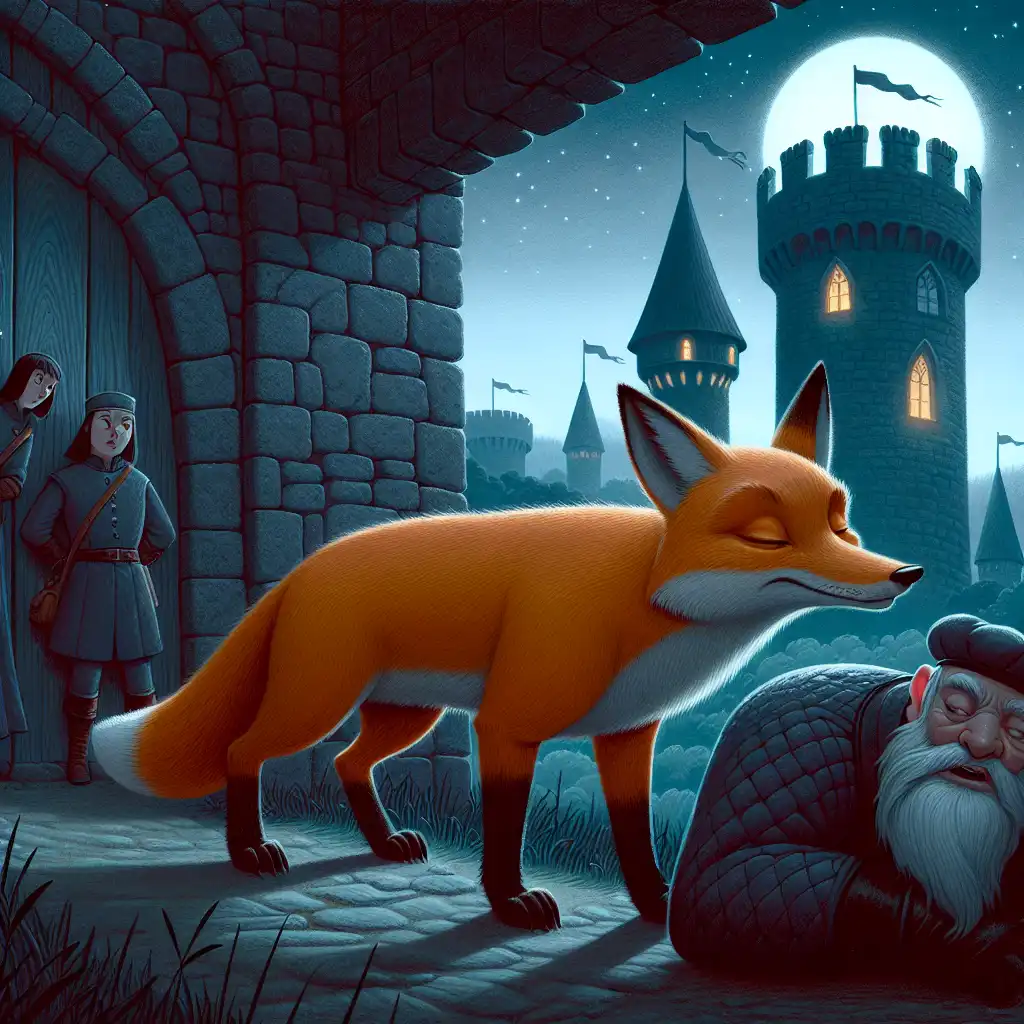
sly or cunning intelligence
He used his guile and trickery to slip past the guards.
guile
ɡaɪl
Đang tải…
ɡaɪl
sly or cunning intelligence
He used his guile and trickery to slip past the guards.
Không tải được âm thanh. Vui lòng thử lại sau.
The word 'guile' means to use clever and sly methods to achieve something, often by deceiving or tricking someone else. It can be used in situations where someone is trying to be sneaky or deceitful, such as in a game or in a business deal. For example, someone who is trying to cheat in a game might use guile to win, or someone who is trying to get a better deal in a negotiation might use guile to persuade the other party.
Artifice refers to a clever or skillful trick or deception, whereas guile refers to deceitful or sly behavior intended to trick someone.
Artifice could be applied to a magician's tricks or a clever marketing campaign, where something is intentionally made to appear different than it actually is.
Artifice is a clever trick or deception, while guile is deceitful behavior aimed at tricking someone.
Mở từ: Artifice →Both cunning and guile refer to someone's ability to deceive or manipulate others.
Cunning typically refers to someone who is clever and crafty in achieving their goals, using their intellect and skills to outsmart those around them.
It often has a positive connotation, as being cunning can be seen as a valuable trait in certain fields such as business or politics.
Cunning is a positive trait that involves being clever and resourceful, while guile is a negative trait that involves deception and trickery.
Mở từ: Cunning →Deceit and guile are both words that refer to dishonesty, but they have some differences in meaning.
Deceit describes when someone intentionally misleads or tricks another person. It often involves telling lies or using false information to make someone believe something that is not true.
For example, if someone pretends to be your friend but then steals from you, that would be an act of deceit.
Deceit involves lying or misleading someone, whereas guile involves using cunning or sly tactics to achieve a goal.
Mở từ: Deceit →Deception refers to the act of making someone believe something that is not true or hiding the truth to mislead them. It involves actively lying or withholding information to mislead someone.
In simpler words, deception is outright lying or hiding the truth, while guile is using sly tactics to achieve one's goals.
Deception is applicable when someone wants to manipulate a situation or person by actively lying or hiding information, while guile is applicable when someone wants to achieve something by using shrewd tactics.
Mở từ: Deception →Duplicity and guile are both words used to describe deceitful behavior, but they have slightly different meanings.
Duplicity refers to someone who is being dishonest or deceitful in a sneaky or two-faced way. For example, someone who smiles and says nice things to your face but then talks behind your back might be exhibiting duplicity.
Duplicity is more about being devious or dishonest, while guile is more about being cunning or clever in a deceitful way.
Mở từ: Duplicity →Subterfuge refers to the use of deceitful or misleading tactics to achieve a goal or objective.
Guile refers to a person's sly behavior, while subterfuge refers to a plan or strategy that involves deceitful or misleading tactics.
Mở từ: Subterfuge →Both guile and treachery refer to deceitful behavior, but there is a subtle difference between the two.
Treachery refers to betraying someone's trust through dishonesty or disloyalty. It involves a deliberate action to undermine or harm someone who has placed their confidence in you.
For example, a friend might commit treachery by secretly spreading rumors about you or stealing something valuable from you.
Guile is a sly or tricky way of deceiving someone, while treachery is a deliberate betrayal of trust.
Mở từ: Treachery →Guile refers to using clever or subtle methods to deceive someone, while trickery implies the use of more overt, often dishonest or deceitful tactics to achieve one's goals.
But if someone is employing a more straightforward and potentially harmful tactic, like lying outright or using physical force to get their way, that would be trickery.
Both words describe actions intended to deceive or manipulate others, but guile suggests a more subtle form of deception while trickery implies a more overt and potentially harmful approach.
Mở từ: Trickery →By guile and by bluster, by night and by day, I battered and scattered the fools from my way. And women grew willing to sham and to bluff.
Xem trên YouTube ↗Pretty much all children are helpful to act with; they lack any guile when they act.
he's a whole bunch of grass and leaves but hidden inside there he's a male leopard that is busy hunting what he's doing is he stalking along very slowly there's a prey animal straight in front of us that he's busy trying to get closer to and it takes all of his guile and his agility to try and sneak through these thickets and try and then ambush
Xem trên YouTube ↗When I was younger, I was impressed by those who were educated, accomplished, successful, and applauded by the world. But over the years, I have come to the realization that I am far more impressed by those wonderful and blessed souls who are truly good and without guile.
We shall perish by guile just as we slew.
To be without guile is to be free of deceit, cunning, hypocrisy, and dishonesty in thought or action.
Babies are endlessly fascinating to look at and I'm obsessed about their complete and utter lack of guile.
The generous abundance of her passion, without guile or trickery, was like a white flame which penetrated and found response in depths of his own sensuous nature that had never yet been reached.
Elephants are highly emotional. Whatever they are feeling, they let it out immediately, and the histrionics are over and forgotten in a moment, lasting no longer than the cloud formations that are constantly coming apart and re-forming overhead. There is no guile in pachyderms.
As parents know, little children are, by their nature, without guile. They speak the thoughts of their minds without reservation or hesitance as we have learned as parents when they embarrass us at times. They do not deceive. They set an example of being without guile.