
obstructive
adjective obstructive
əbˈstrʌktɪv
Causing or likely to cause blockage or difficulty in an activity or process.
The obstructive regulations hindered the growth of the small business.
obstructive
əbˈstrʌktɪv
Chargement…
əbˈstrʌktɪv
Causing or likely to cause blockage or difficulty in an activity or process.
The obstructive regulations hindered the growth of the small business.
əbˈstrʌktɪv
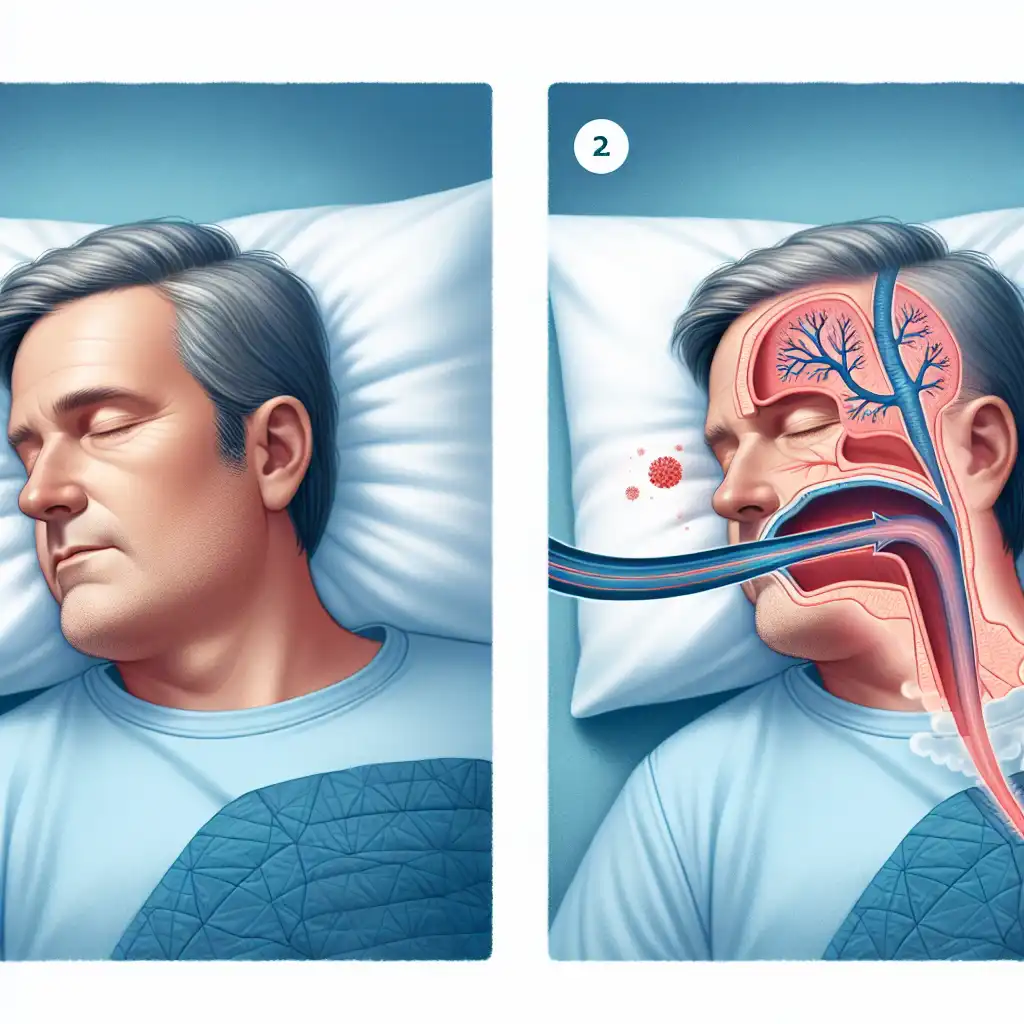
In medicine, related to or causing obstruction in the body, particularly in the airways.
Obstructive sleep apnea can cause serious health problems if left untreated.

əbˈstrʌktɪv
In politics, intentionally causing delay or obstruction in the process of decision making.
Due to the obstructive tactics of the opposition, the legislation failed to get approval.
Impossible de charger l’audio. Réessayez plus tard.
The word 'obstructive' is used to describe someone or something that is stopping or delaying something else from happening. For example, if someone is being obstructive in a conversation or meeting, they are not cooperating and making it difficult for others to have a productive discussion. Similarly, if an object or structure is obstructive, it is in the way and preventing people from moving or seeing clearly.
Block refers to something that is stopping or preventing something else from moving forward. For example, if there is a roadblock, it means that something is blocking the road and preventing cars from passing through.
Block refers to something that is physically in the way, while obstructive refers to someone who is intentionally causing problems or getting in the way.
Ouvrir le mot: Block →Hamper means to hinder or impede the progress or movement of something or someone. For example, a heavy backpack can hamper your ability to walk quickly.
Hamper is more passive and can be unintentional, while obstructive is more active and intentional. Hamper refers to slowing or slowing down progress, while obstructive refers to actively preventing progress.
Ouvrir le mot: Hamper →Both hinder and obstructive mean to cause difficulty or prevent progress, but there is a difference in how they are used.
Hinder usually means to slow down or make something more difficult, but it doesn't necessarily imply intentional interference.
For example, bad weather might hinder travel plans, or a difficult math problem might hinder a student's progress.
It can also describe someone's actions, such as a teammate who is hindering the team's success by not putting in enough effort.
For example, a person who purposely puts up roadblocks to prevent a project from moving forward or a player who deliberately fouls to hinder the opposing team's progress could be described as obstructive.
Hinder describes something that is slowing down progress, while obstructive describes intentional interference that is causing a blockage or preventing progress altogether.
Ouvrir le mot: Hinder →Both impede and obstructive mean to block or hinder someone or something from progressing or achieving a goal.
However, impede is a more general term that can refer to any type of barrier, while obstructive specifically implies a deliberate or intentional act of hindrance.
For example, a traffic jam could impede your progress on the way to school, but an overly talkative classmate could be obstructive in preventing you from finishing your homework.
Impede is used for situations where there is some kind of obstacle, while obstructive is used more for people or actions that are intentionally getting in the way.
Ouvrir le mot: Impede →Interfere means to get in the way or disrupt something. For example, if you interfere with someone's work, you might distract them or prevent them from doing what they need to do.
Both words relate to ways of preventing something from happening smoothly. Interference is generally passive but still disruptive, while obstructive behavior is intentionally blocking or impeding a process.
Ouvrir le mot: Interfere →Obstruct means to block or impede progress, movement, or action. For example, a fallen tree obstructing a road would prevent cars from passing through, or a difficult obstacle obstructing a person’s way would make it hard for them to accomplish their goal.
Obstructive describes a person, behavior, or thing that creates obstacles or hinders progress intentionally. For example, if someone deliberately places obstacles in someone else's way or disrupts their work, that person would be considered obstructive.
Obstruct describes the act of blocking, while obstructive describes something or someone that actively hinders or creates blockages.
Ouvrir le mot: Obstruct →Prohibit means something that is not allowed or forbidden. For example, smoking is prohibited in certain areas, meaning it is not allowed there.
Obstructive means preventing something from happening, while prohibit means not allowing something to happen in the first place.
Ouvrir le mot: Prohibit →Thwart means to prevent someone from achieving a goal or plan, especially through clever or subtle means.
In essence, both words mean to prevent progress, but obstructive suggests intentional and direct blocking, while thwart suggests a more subtle and indirect prevention.
Ouvrir le mot: Thwart →Why do some people snore...
Voir sur YouTube ↗My wife Kris and I enjoy keeping an active lifestyle, so it's hard to imagine what it would be like if breathing problems kept me from participating in the activities I love to do. But that's exactly what happens to many people who develop COPD, or chronic obstructive pulmonary disease.
Tal Golesworthy: How I...
Voir sur YouTube ↗I suffer from bronchiectasis, an obstructive lung disease, and have a little osteoporosis, too.
Gone with the Wind %\PIPE%...
Voir sur YouTube ↗I've seen phenomenal work in Leicester where people with chronic obstructive pulmonary disease use telecare to measure their own oxygen levels, and if they need to change their meds they get a phonecall from a nurse who has seen the results of their readings.