unpick
verb unpick
ˌʌnˈpɪk
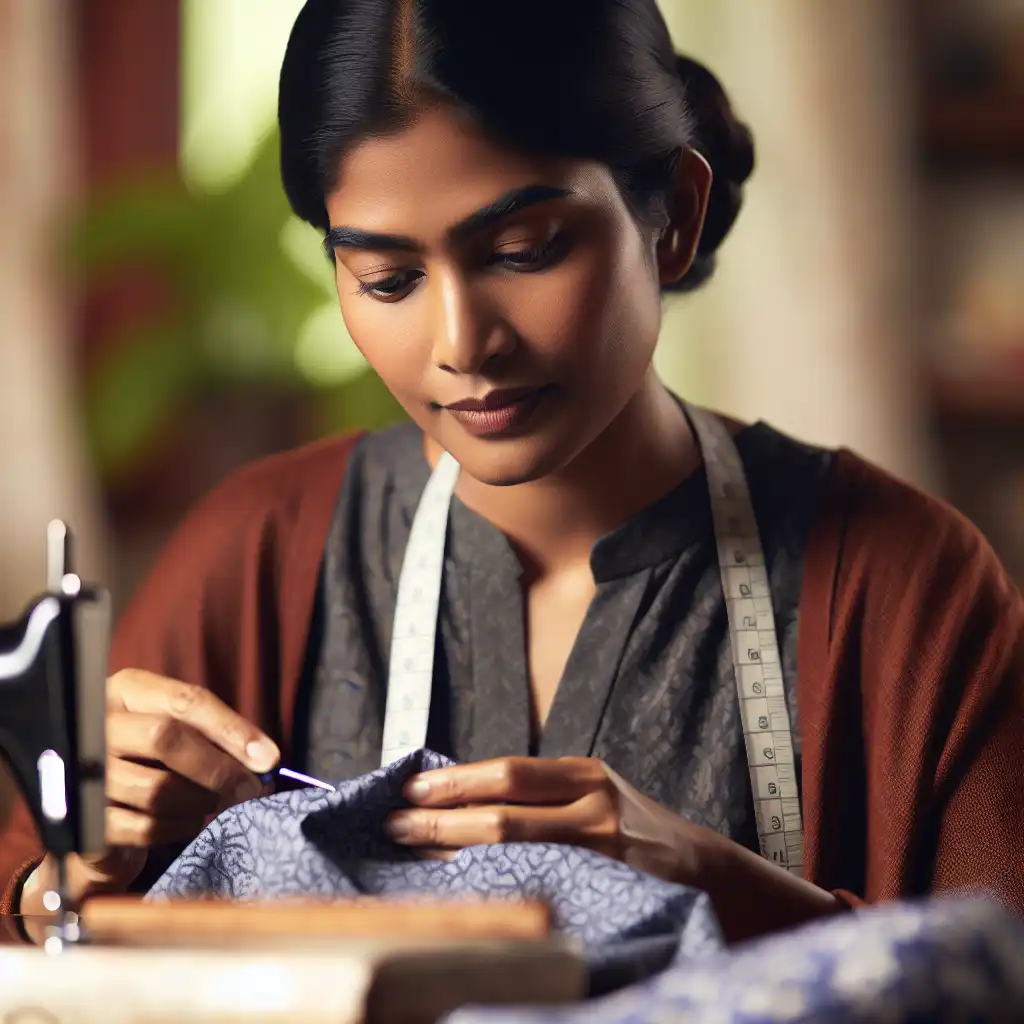
To remove stitches from fabric or knitting
She made a mistake while sewing, so she decided to unpick the stitches to correct it.
unpick
ˌʌnˈpɪk
Cargando…
ˌʌnˈpɪk
To remove stitches from fabric or knitting
She made a mistake while sewing, so she decided to unpick the stitches to correct it.

ˌʌnˈpɪk
To carefully examine or analyze something in order to understand it
The detective spent hours unpicking the evidence to solve the crime.
No se pudo cargar el audio. Inténtalo de nuevo más tarde.
The word 'unpick' usually means to take something apart or to undo stitches in something that has been sewn together. For example, if you realize that you've sewn a piece of fabric in the wrong place, you might have to unpick the stitches to fix the mistake. You might also use 'unpick' in a metaphorical sense to mean examining something in detail to understand how it works or to find flaws or weaknesses. For instance, a scientist might unpick a complex chemical reaction to understand it better.
Construct means to build or create something, like a building or an idea.
The word unpick means to take apart or undo something that has already been constructed. This is used when you want to disassemble or dismantle something that has already been put together.
To summarize, construct is used when you are building or creating something new, while unpick is used when you are taking something apart that has already been put together.
Abrir palabra: Construct →Disentangle means to free something from tangles or complications.
It is used when something is physically or metaphorically tangled and needs to be untwisted or freed. For example, you might disentangle a knot in your shoelaces or disentangle a complex problem at work.
The difference between these words is that disentangle is used when something is tangled and needs to be freed, and unpick is used when something has been deliberately put together and needs to be taken apart.
Abrir palabra: Disentangle →Dismantle means to take something apart or break it down, often in order to remove parts or render it unusable.
Dismantle is used for larger items like vehicles or buildings whereas unpick is used for smaller items like clothing.
Abrir palabra: Dismantle →Tangle describes a situation where things become twisted or knotted around each other.
It is used when things are jumbled together and need to be sorted out. For example, if your headphones get tangled in your pocket, you would need to untangle them before you can use them.
Tangle is used when things are twisted or knotted and need to be sorted out. Unpick is used when something needs to be taken apart or undone.
Abrir palabra: Tangle →Undo means to reverse or cancel something that has been done.
It can be used for actions like pressing undo on a computer or deleting text to go back to previous state.
Undo is used to reverse a specific action or process, while unpick is used to take apart or remove something.
Abrir palabra: Undo →Unlace means to undo or untie laces, while unpick means to undo stitches or pick apart something that has been sewn together.
For example, if you were taking off your shoes, you would unlace them by untying the knots in the shoelaces. If you were trying to take apart a piece of clothing or fabric that has been sewn together, you would unpick the stitches with a tool or your fingers.
You would use unlace when talking about undoing laces and unpick when talking about undoing stitches or taking apart something that has been sewn together.
Abrir palabra: Unlace →Unpick means to undo stitches or unravel threads from a piece of fabric while striving to leave it in its original form.
Unravel means to undo or investigate something that has become tangled, complicated or difficult to understand.
Unpick is applicable when you want to undo a stitch or a specific area of a fabric, while unravel is applicable when you want to investigate or unravel a complex situation or something that is disintegrating.
Abrir palabra: Unravel →NJ Finalist %\PIPE% National...
Ver en YouTube ↗Wind depends on temperature. Temperature depends on pressure. And pressure depends on wind. It's an intricate mathematical tapestry that is far too intertwined to unpick by hand.
In general, I think we're more or less shaped and formed by our late 20s. Things come along during that time that make us cynical. By the time you're in your 30s, it's hard to unpick those mindsets that have formed. It takes years of therapy to undo them.