
tranquillity
noun tranquillity
træŋˈkwɪləti
The state of being calm and peaceful.
The tranquillity of the countryside helped me to relax and unwind.
tranquillity
træŋˈkwɪləti
Chargement…
træŋˈkwɪləti
The state of being calm and peaceful.
The tranquillity of the countryside helped me to relax and unwind.
træŋˈkwɪləti
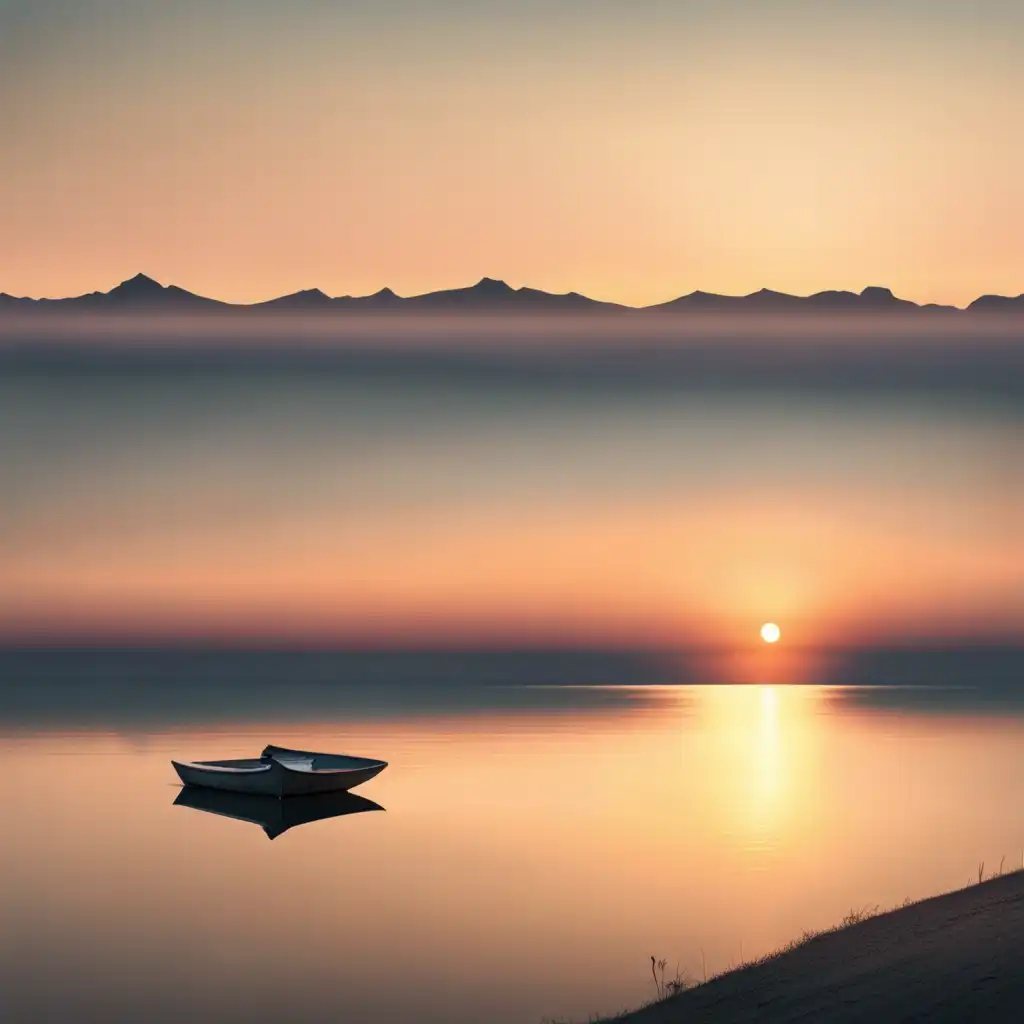
An absence of disturbance or activity.
I enjoyed the tranquillity of the early morning, when no one else was awake.
træŋˈkwɪləti
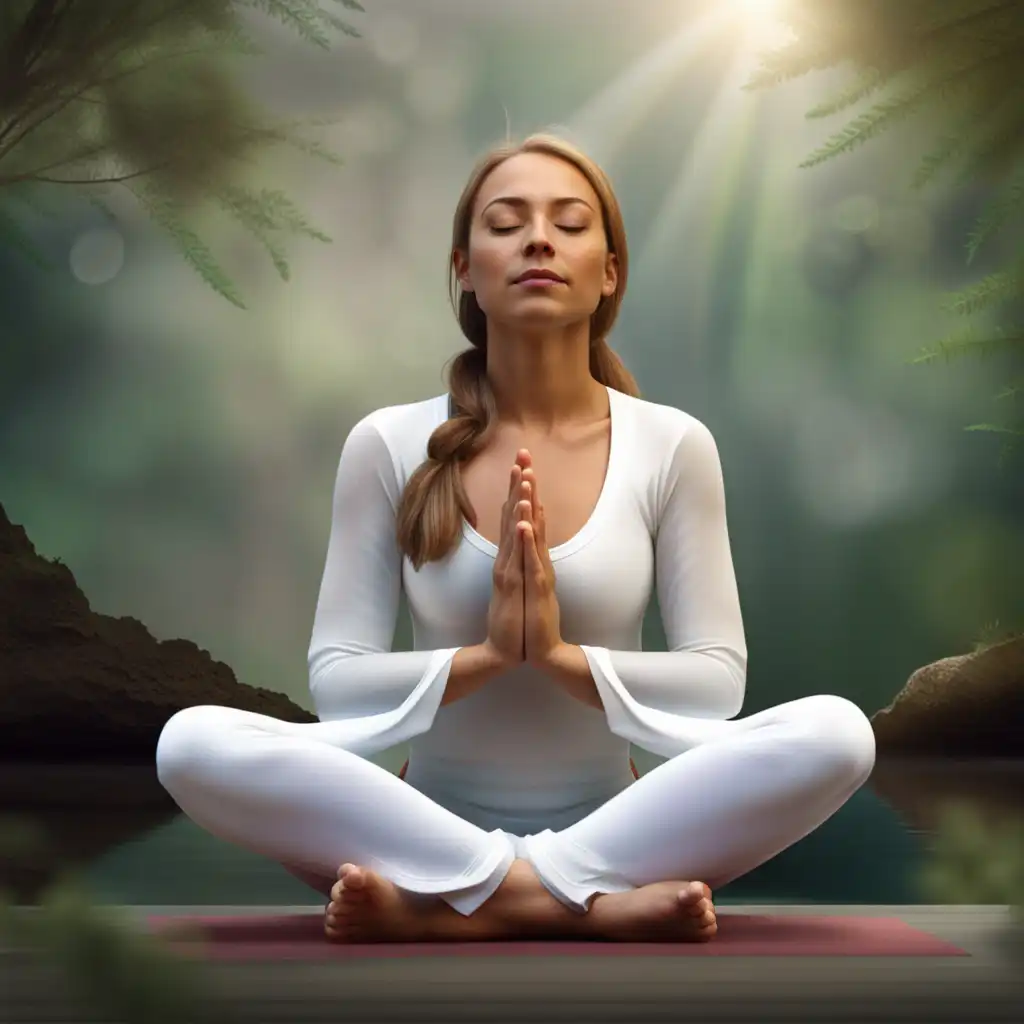
The quality or state of being free from agitation of mind or spirit.
Yoga practices aim to bring tranquillity to the mind.
Impossible de charger l’audio. Réessayez plus tard.
The word "tranquillity" means a peaceful and calm state of being. It is often used to describe a calm environment or situation, for example, a quiet beach or a serene forest. It can also refer to a feeling of calmness and contentment within oneself, such as when meditating or relaxing. The word is commonly used in writing and poetry to evoke feelings of peace and relaxation.
Both calm and tranquillity refer to a state of peacefulness, but there is a slight difference in meaning.
Calm refers to a peaceful state that may still have some underlying tension or activity happening, but it is not visible or disruptive.
You can describe a person as being calm even though they may be busy working, or the ocean as being calm even though there may still be waves.
Tranquillity refers to a state of complete stillness and calmness without any disturbance or turmoil. It implies a more absolute sense of peace and quietness.
So, both words can describe a peaceful state, but calm is applicable in situations where there is still some underlying activity or tension, while tranquillity implies a more complete sense of stillness and calmness.
Ouvrir le mot: Calm →Composure refers to a state of calmness and self-control, especially in a difficult or stressful situation. It is the ability to remain focused and composed even when faced with adversity.
Composure is applicable in situations that require self-control and the ability to remain calm under pressure, while tranquility is applicable in situations that require a peaceful and serene environment.
Ouvrir le mot: Composure →Peaceful means a situation or place that is free from disturbance, violence or conflict.
Peaceful is more often used to describe external circumstances or events, while tranquillity is more commonly applied to one's personal state of mind or emotional experience.
Ouvrir le mot: Peaceful →Both placidity and tranquility refer to a state of calmness or peacefulness.
Placidity refers to a calm and peaceful state which can exist even in the midst of chaos or stress. It suggests a sense of inner calm and composure.
For example, placidity can describe a person who remains calm and collected in the face of a difficult situation, while tranquility can describe a peaceful environment like a quiet beach or a serene forest.
Ouvrir le mot: Placidity →Quietude and tranquillity are similar in meaning, but have subtle differences.
Quietude refers to a state of calmness or stillness, often associated with a lack of noise or disturbance.
It can be applied to a physical environment or to one's mental or emotional state. For example, one might seek quietude while meditating or trying to concentrate on a task.
Quietude tends to be more focused on the absence of disruption, while tranquillity emphasizes a more positive sense of well-being or harmony.
Ouvrir le mot: Quietude →Repose and tranquility are similar in meaning, but there are some differences in how they are used.
Repose refers to a state of rest or peacefulness, usually associated with physical relaxation or calmness.
It can refer to a person's state of mind or to a place that is quiet and peaceful. For example, you might talk about wanting to find a place of repose after a long day of work, or seeking the repose of a meditation retreat to calm your mind.
So while both words refer to a sense of calm and peacefulness, repose is more focused on physical relaxation and tranquility is more focused on mental or emotional calmness.
Ouvrir le mot: Repose →Serenity and tranquillity are both words that describe a state of calmness, but they have slightly different meanings.
Serenity refers to a feeling of inner peace, a state of being untroubled and undisturbed.
Both words can be used interchangeably in some cases, but generally, serenity refers more to a mental state of calmness, while tranquility is used more to describe the physical environment around you.
Ouvrir le mot: Serenity →Still means not moving or making any sound. It is applicable when you want to convey a lack of movement or disturbance in a particular environment, such as a picture or a lake.
For example, "The lake was still and calm."
Still refers to a lack of movement or noise, while 'tranquility' refers to a peaceful and calming atmosphere.
Ouvrir le mot: Still →preferred to others but none of them can be desert none of them can deserve to be pursued with that passionate ardor which drives us to violate the rules either of prudence or of justice or to corrupt the future tranquillity of our minds either
Voir sur YouTube ↗Peace is liberty in tranquillity.
There is no such thing as perpetual tranquillity of mind while we live here; because life itself is but motion, and can never be without desire, nor without fear, no more than without sense.
Unless your government is respectable, foreigners will invade your rights; and to maintain tranquillity, it must be respectable - even to observe neutrality, you must have a strong government.
I simply can't build my hopes on a foundation of confusion, misery and death... I think... peace and tranquillity will return again.
That which is false troubles the heart, but truth brings joyous tranquillity.
Do not calculate what I have done, for I shall accept no recompense. Calculate the public advantage, the welfare and liberty of my country, and believe that I shall refuse no burden, no danger, provided that, at the hour of tranquillity, I may return to private life, for there now remains but one step for my ambition - that of arriving at zero.
That perfect tranquillity of life, which is nowhere to be found but in retreat, a faithful friend and a good library.
The happiness and peace attained by those satisfied by the nectar of spiritual tranquillity is not attained by greedy persons restlessly moving here and there.
Fishing gives me peace, tranquillity. And also, as a forward player, it helps me with my eyes.
Indeed, we are privileged to have been afforded the opportunity to study Nature and to follow our own thoughts and inspirations in a time of relative tranquillity and in a land with a generous and forward-looking government.