
ashen
adjective ashen
ˈæʃn
Very pale with shock, fear, or illness.
His face turned ashen when he heard the bad news.
ashen
ˈæʃn
読み込み中…
ˈæʃn
Very pale with shock, fear, or illness.
His face turned ashen when he heard the bad news.
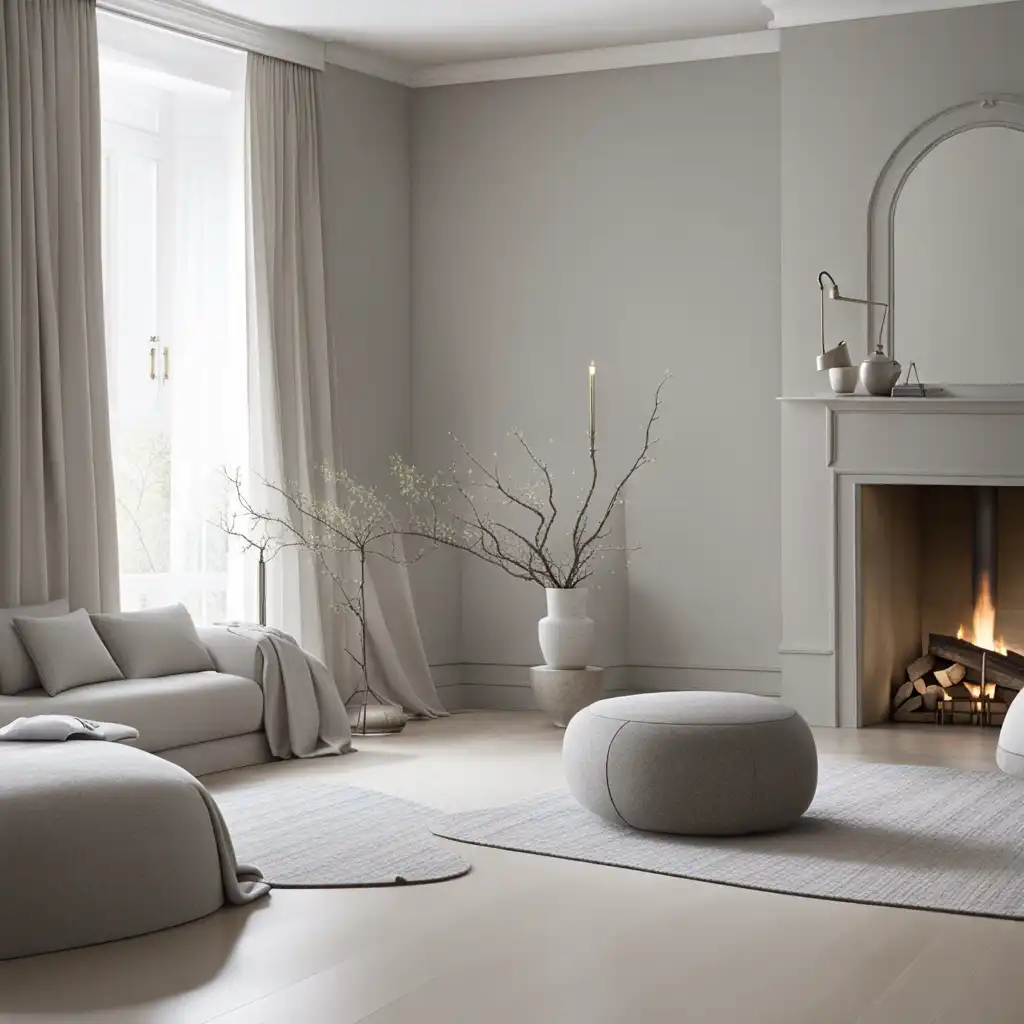
ˈæʃn
Referring to the pale-gray color of ash.
The ashen shades of the room gave it a calm and soothing atmosphere.
音声を読み込めませんでした。しばらくしてからもう一度お試しください。
The word 'ashen' is used to describe something that looks pale or grey, like the color of ashes. It can be used to describe a person's face when they are scared or sick, or to describe the color of a building or object that has been burnt. For example, "After the fire, the once vibrant house now had an ashen appearance."
Ashen and bleach are both adjectives but they have different meanings. Ashen refers to something that is pale or gray in color, like the color of ashes from a fire.
It describes things like skin color or the color of a building after a fire. Bleach refers to the process of making something whiter or lighter in color by using chemicals.
It is often used to describe things like clothes or hair that have been treated with bleach to make them brighter. So, while ashen describes a natural pale color, bleach describes a chemical process used to artificially lighten something.
単語を開く: Bleach →The words ashen and cadaverous both describe pale skin that can happen when someone is sick or dead.
Cadaverous refers specifically to the appearance of a dead body, emphasis on the sickly and not if the skin color.
So, while both words are used to describe pale skin, ashen is more general and can refer to things other than skin, while cadaverous is more specific to the appearance of a dead body.
単語を開く: Cadaverous →Drab refers to a dull or lifeless color, often used to describe something that is uninteresting and lacks vibrancy.
So, while both words describe a lack of color or vitality, ashen is more specific to a pale or grayish shade, while drab can refer to any color that is dull or uninteresting.
単語を開く: Drab →Ghost refers to the spirit or soul of a deceased person.
It is not a physical appearance but a spiritual presence. For example, a person might claim to have seen the ghost of their grandmother in their house.
Ashen describes a physical appearance, while ghost describes a spiritual presence.
単語を開く: Ghost →Grey refers to a color which is somewhere between black and white. It is a neutral color that can be found in everyday objects like clothes, walls, and cars.
Ashen, on the other hand, refers to a shade of pale gray that resembles the color of ashes.
Grey describes an everyday color, while ashen describes a more specific and often negative shade of pale gray.
単語を開く: Grey →Pale generally describes a lighter, softer color that lacks vibrancy or saturation.
So, while both words relate to a lack of color or vitality, ashen takes on a darker, more intense connotation, while pale is a more common, lighter descriptor.
単語を開く: Pale →Pallid means lacking color or pale in color.
Ashen specifically refers to a grayish-white color, while pallid refers to a lack of color or energy in something or someone.
単語を開く: Pallid →Want refers to a feeling of desire or lack, often related to something that someone wants or needs. For example, if someone wants a new toy, they might say "I want a new toy.".
Overall, these two words have very different meanings and applications. Ashen relates to appearance and color, while want relates to feelings of desire or need.
単語を開く: Want →What makes tuberculosis...
YouTube で見る ↗Shark Attack! %\PIPE% National...
YouTube で見る ↗