clinker
noun clinker
ˈklɪŋkər
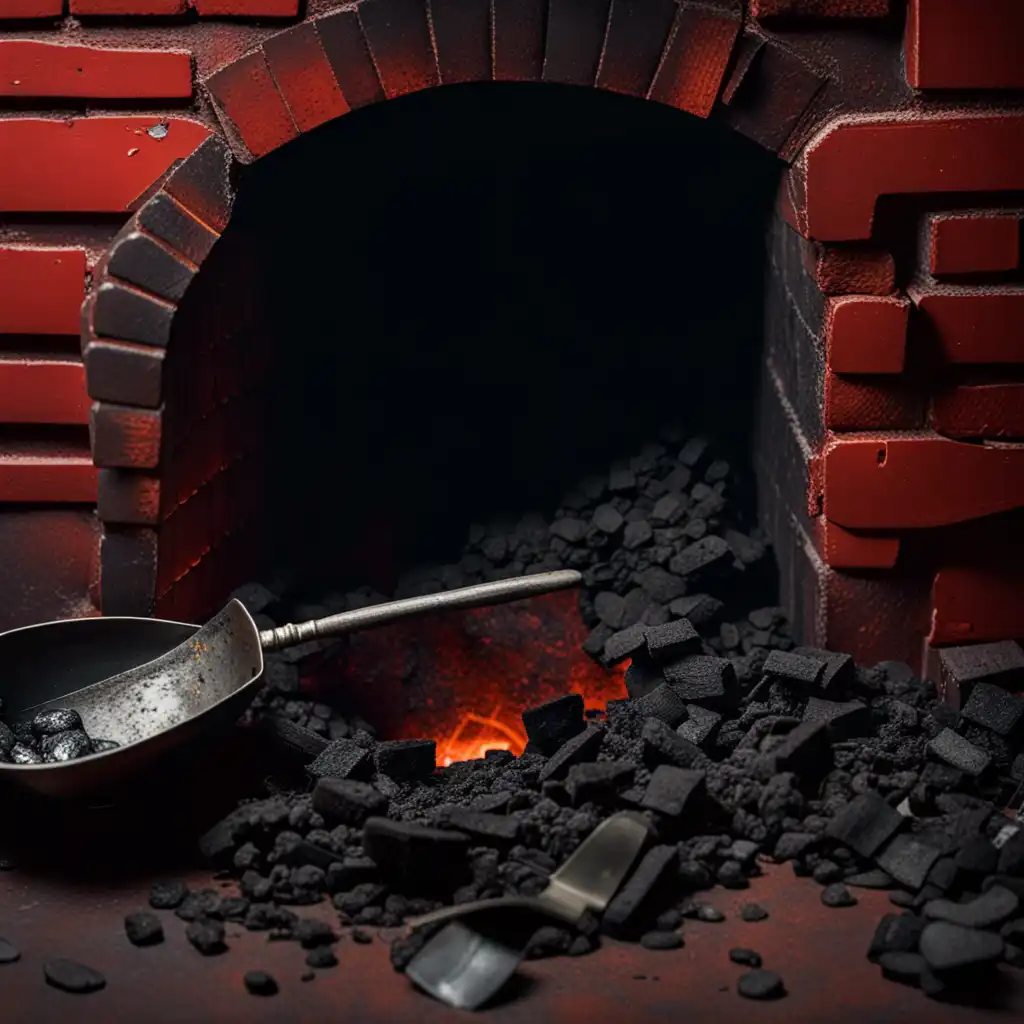
A hard material left over after coal is burned
The clinker was scooped out of the fireplace.
clinker
ˈklɪŋkər
読み込み中…
ˈklɪŋkər
A hard material left over after coal is burned
The clinker was scooped out of the fireplace.
ˈklɪŋkər
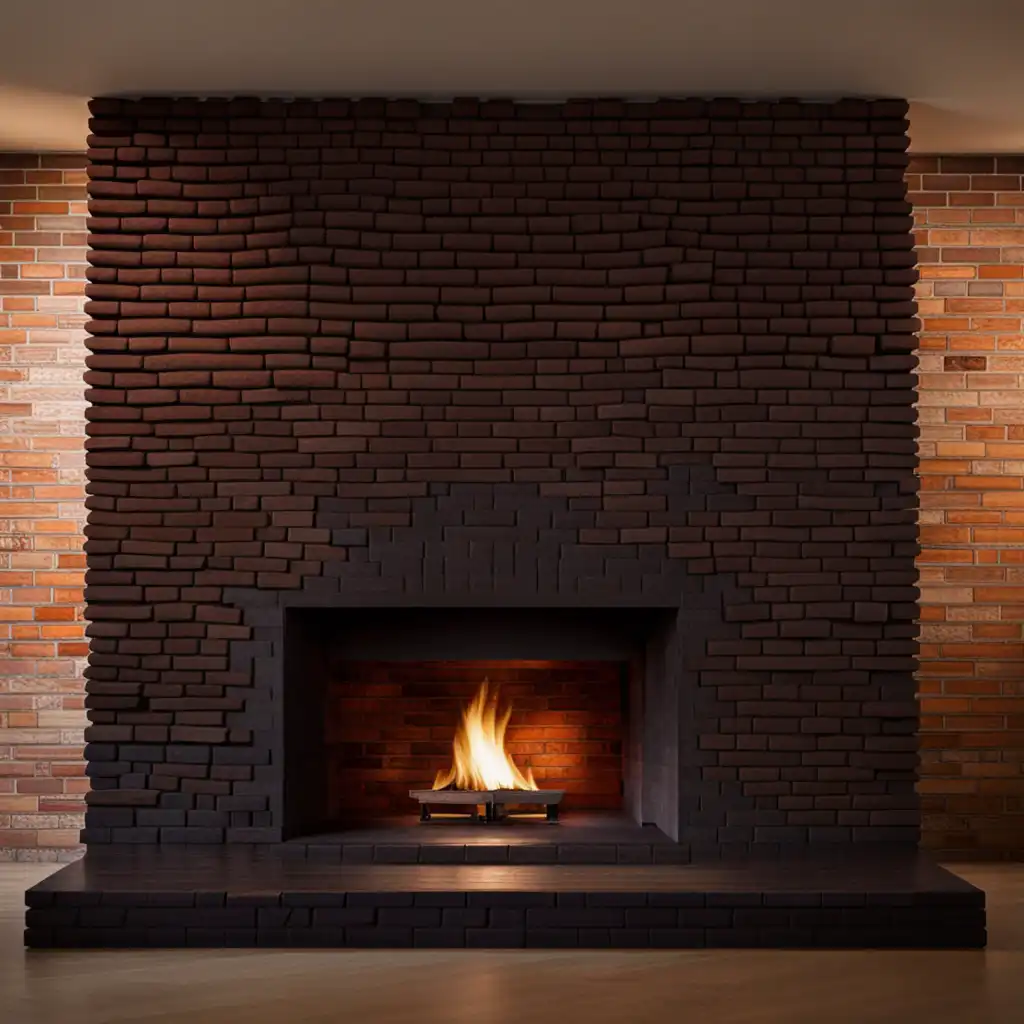
A type of brick that is made to resist high temperatures
Clinker bricks are used to construct the fireplace.
ˈklɪŋkər
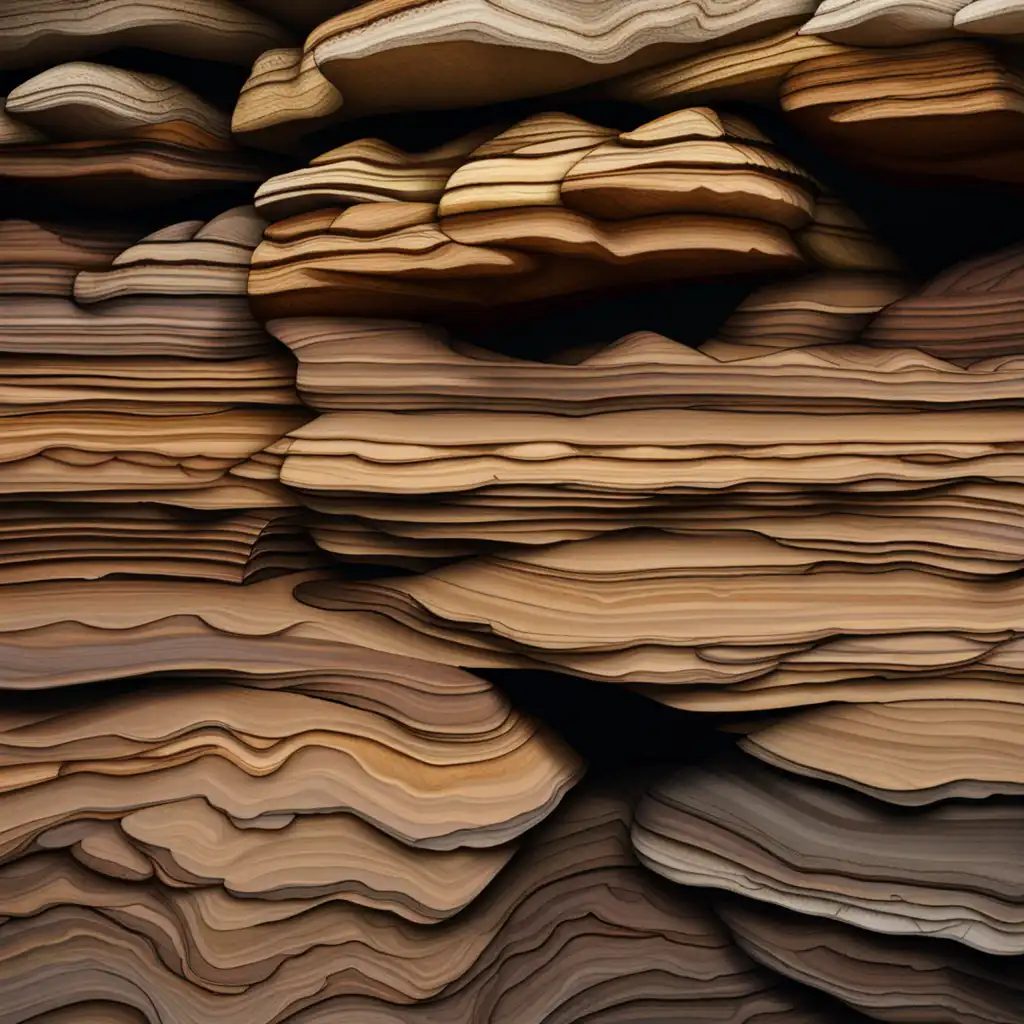
A type of rock which could be found in some situations of sedimentary rock formations
These sedimentary rocks are filled with clinkers.

ˈklɪŋkər
A mistake or error, especially in a musical performance
Unfortunately, the concert was marred by a few clinkers.

ˈklɪŋkər
Something of poor quality, a failure
That movie was a real clinker.
音声を読み込めませんでした。しばらくしてからもう一度お試しください。
'Clinker' can refer to a hard, solid material that is left over after coal has been burned. It is commonly used in the construction of roads, buildings, and other structures. Clinker can also refer to a fault or mistake, as in "that idea was a clinker."
Ash refers to the powdery residue that is left over after something has been burned, whereas clinker is the solid and hard residue that is left behind after burning coal or wood.
Ash can be found in fireplaces, while clinker is found in industrial furnaces or coal mines. Ash is also commonly used as a fertilizer for plants, while clinker is not used for anything else as it is mostly non-biodegradable.
単語を開く: Ash →Cinder refers to a lightweight residue of a fire, produced when materials such as wood, coal or charcoal are burned. Cinder is usually gray or black in color and can be composed of various materials.
Cinder can be found in the ashes of burnt wood, and also in the material left over from burnt coal.
Cinder is the lightweight ash produced when burning wood or charcoal, while clinker is the hard residue produced when burning coal.
Both materials can be used in construction, but cinder is generally used as an aggregate in concrete, while clinker is often used to make cement or as a filler material.
単語を開く: Cinder →Debris refers to any kind of scattered or widespread material that is left behind after a disaster, accident, or destruction.
So, while clinker is a specific type of material that is created under certain conditions, debris is a more general term that can refer to any kind of mess or aftermath that needs to be cleaned up.
単語を開く: Debris →It is used in the production of cement and can also be used as a building material. Dross is a waste material that is left over after melting metals.
It is often made up of impurities and is usually discarded. Clinker is applicable in the production of cement and as a building material, while dross is applicable in the manufacturing industry as a waste material.
単語を開く: Dross →Clinker and residue are both words used to describe leftover materials, but they are applied in different contexts.
Residue is a general term that describes anything left over after a process is complete. It could refer to leftover food on a plate, the sediment at the bottom of a wine bottle, or the build-up in a pipe or machine.
Clinker specifically refers to the leftover material from burning coal or other materials in a furnace, while residue is a more general term that can refer to any leftover material from a process.
単語を開く: Residue →Rubbish is a term for any type of waste, including household trash, discarded items or debris. It generally refers to things that are no longer useful or needed, and are often disposed of in landfills or other waste management facilities.
So, while clinker is a specific type of substance that is produced through a particular manufacturing process, rubbish is a more general term for a range of waste materials.
単語を開く: Rubbish →Clinker and slag are both waste byproducts from industrial processes.
Slag is a byproduct of the steel-making process. It is produced when impurities in iron ore, such as silicon, sulfur, and phosphorus, are heated at high temperatures and combined with lime, dolomite, or other materials.
Slag is a glass-like material that is usually black or dark brown in color.
Clinker and slag are similar in that they are both waste byproducts from industrial processes, but they come from different industries and have different applications.
単語を開く: Slag →Waste refers to any material that is no longer needed or useful and must be disposed of.
Clinker is a valuable material produced during a specific industrial process, while waste is any material that is no longer needed or useful and must be disposed of.
単語を開く: Waste →Charlotte Degot: A more...
YouTube で見る ↗What's so special about...
YouTube で見る ↗This Dog's Nose Saves...
YouTube で見る ↗