miasma
noun miasma
miˈæzmə
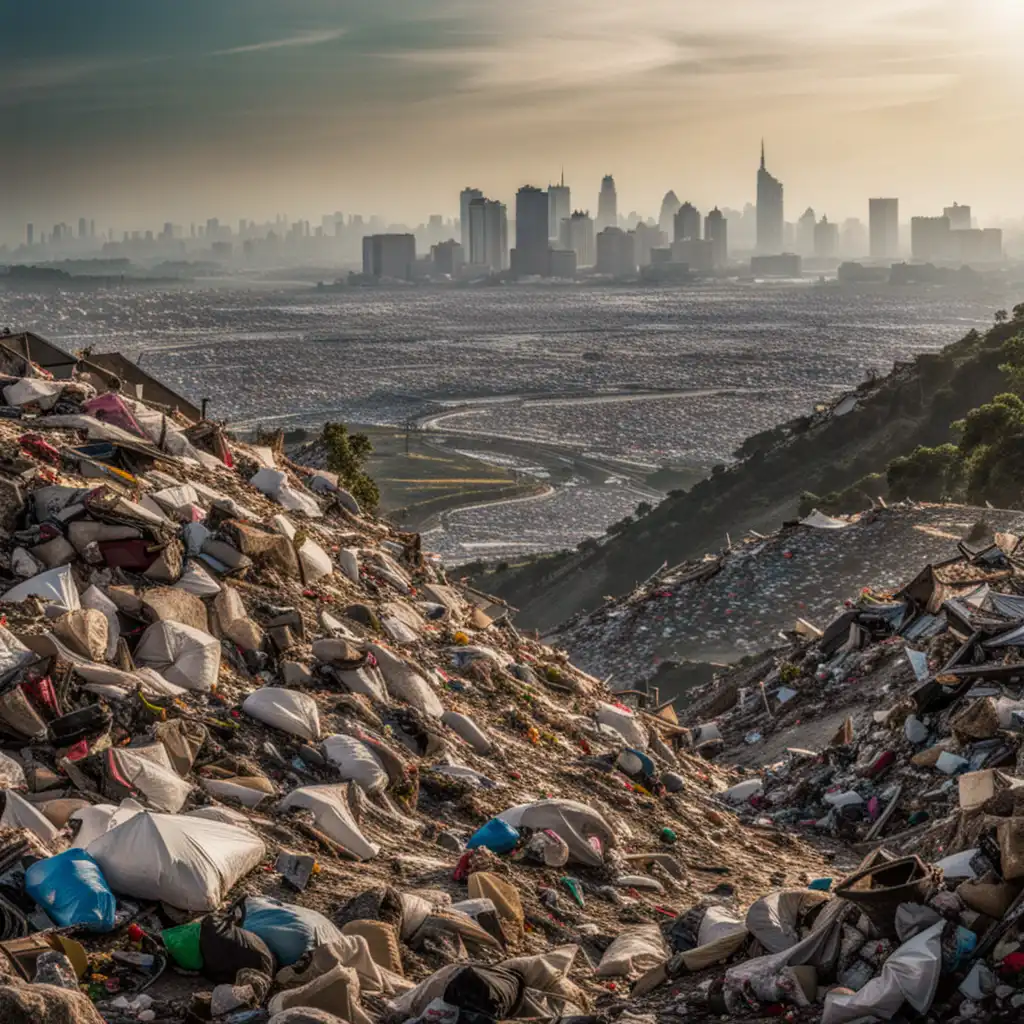
A dirty or unpleasant smell
The miasma from the garbage dump traveled across the city.
miasma
miˈæzmə
Đang tải…
miˈæzmə
A dirty or unpleasant smell
The miasma from the garbage dump traveled across the city.
miˈæzmə
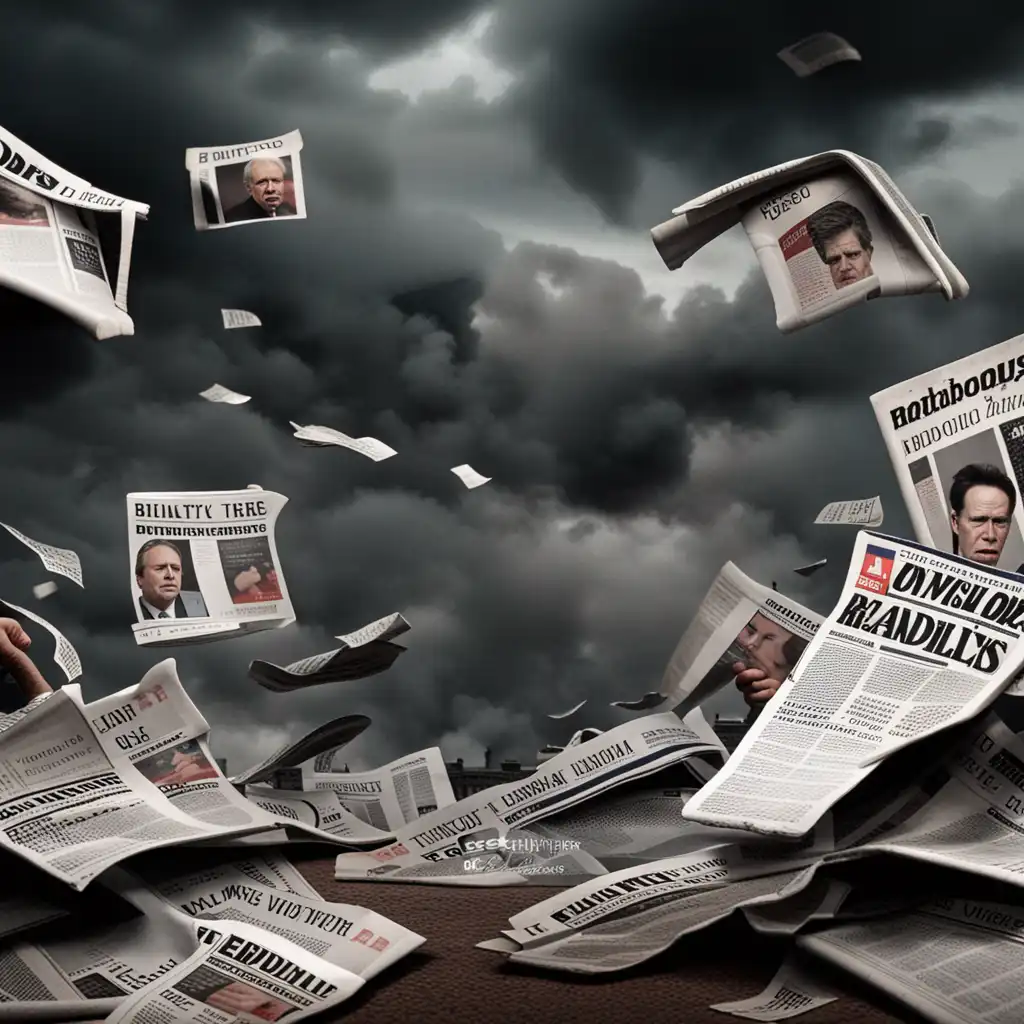
An unpleasant atmosphere which is caused by something
A miasma of scandal surrounded the politician's campaign.
miˈæzmə
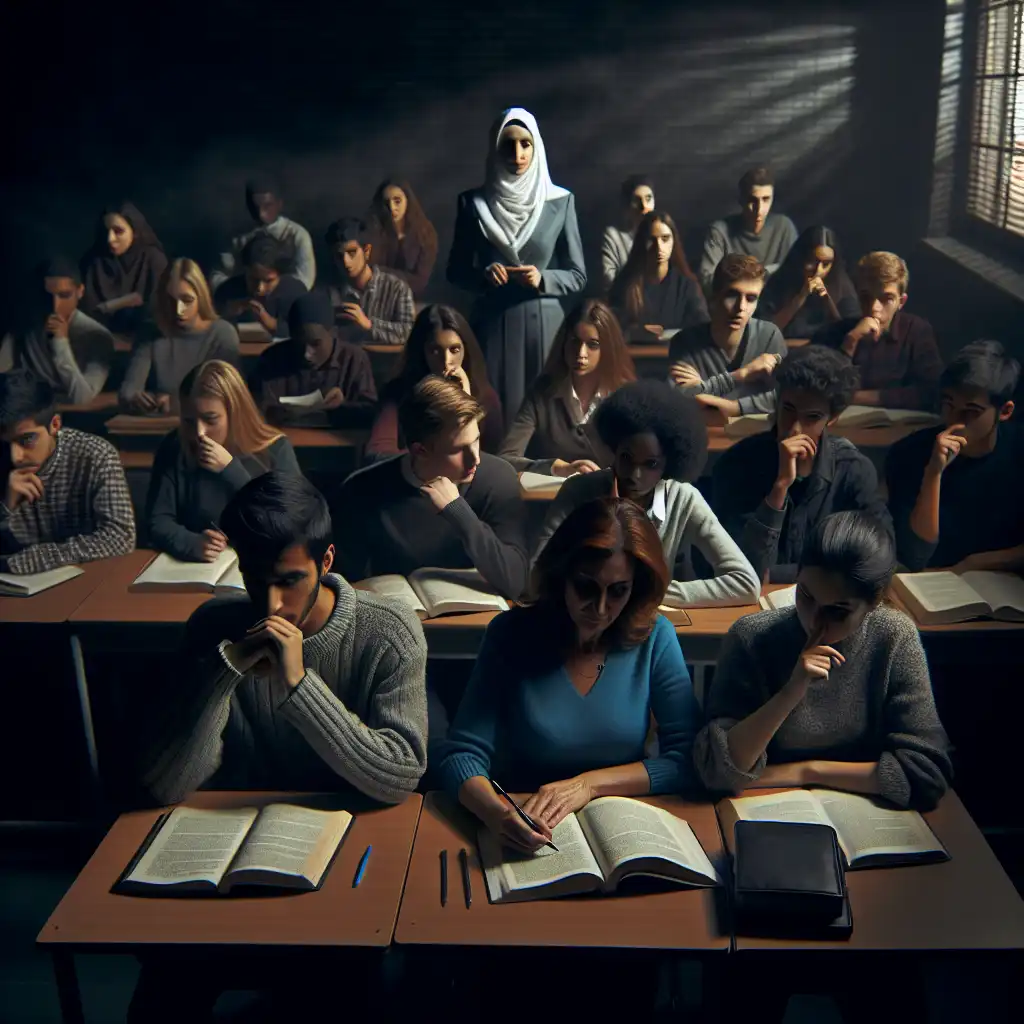
Bad influences on morals, behaviors or attitudes
The school was in a miasma of deceit and cheating.
miˈæzmə
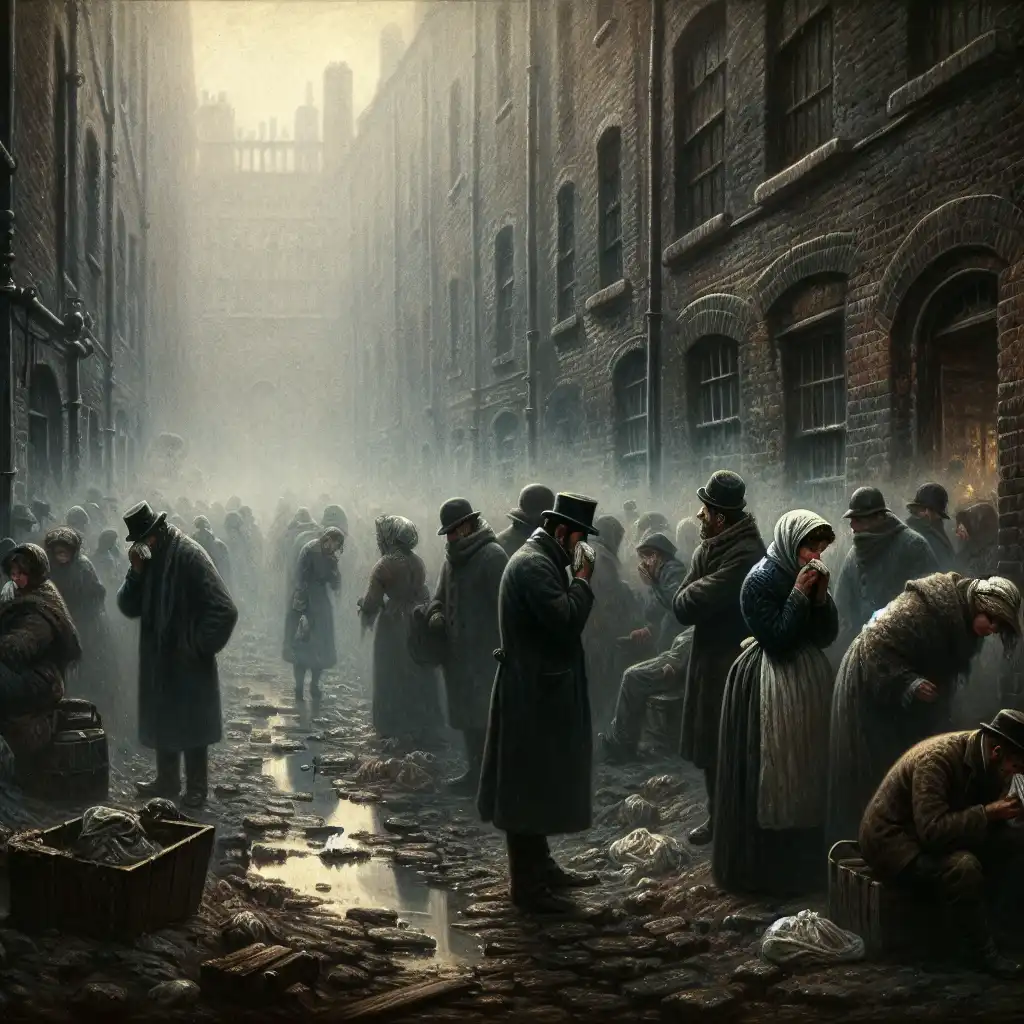
An outdated belief that diseases are caused by dirty air
According to the miasma theory, cholera spread through foul air in unsanitary conditions.
Không tải được âm thanh. Vui lòng thử lại sau.
Miasma is a word that describes an unpleasant smell, usually one that comes from something decaying or rotting. It can also mean a bad atmosphere or feeling in a place or situation. For example, a polluted city could have a miasma, or a bad relationship could have a miasma of tension and negativity. The word is not commonly used in everyday language, but it may be found in literature or more formal settings.
A cloud is a visible mass of water droplets or ice crystals in the atmosphere.
Clouds can be harmless or bring rain, snow, or hail.
In summary, clouds are natural phenomena that occur in the sky and have various effects on the weather. Miasma is a historical term that describes a noxious gas thought to be harmful to human health.
Mở từ: Cloud →Contaminate means to make something impure or harmful by adding a substance or pathogen. This can apply to things like water, food, or medical equipment.
In simpler terms, contaminating something means adding something harmful to it, while a miasma refers to a harmful atmosphere or odor already present in the environment.
Mở từ: Contaminate →Exhalation is the act of breathing out, while miasma is a foul smell or vapor caused by rotting organic matter or pollution.
Exhalation is applicable in the context of breathing or respiration, whereas miasma is applicable in the context of environmental pollution or decay.
For example, someone may take a deep exhalation after running, while a swamp may emit a miasmic smell due to the decay of vegetation.
Mở từ: Exhalation →Both words refer to unpleasant or noxious odors, but there is a subtle difference in their meanings. Foulness generally refers to a bad smell, often produced by decaying organic matter or sewage.
In other words, while foulness refers to a specific, identifiable odor, miasma refers to a more general sense of unhealthy or dangerous air.
Mở từ: Foulness →Pollute refers to the act of contaminating or making something impure.
It can refer to various types of pollution, such as air pollution, water pollution, or soil pollution, and is commonly used in discussions of environmental issues and public health.
Miasma describes a harmful atmosphere while pollute describes the act of contaminating something. Miasma is more often used in historical or literary contexts, while pollute is used in discussions of environmental issues and public health.
Mở từ: Pollute →Stench simply refers to a strong and unpleasant odor that is caused by something decomposing or rotting. This could be anything from spoiled food to sewage to a dead animal.
Stench is a more general term that can apply to any foul-smelling substance or area.
Miasma is a specific type of bad odor associated with a polluted environment that was historically linked to illness, while stench is a more general term for any strong and unpleasant odor.
Mở từ: Stench →Toxicity refers to the degree to which a substance is harmful or poisonous. It is applicable in situations where physical contact or ingestion of a substance can result in harm, illness, or death.
Miasma relates to harmful atmospheric conditions, while toxicity relates to harmful substances.
Mở từ: Toxicity →It can describe the unpleasant odor of decaying matter, sewage or stagnant water. The term vapour refers to a gas or mist that is typically less harmful and more visible than miasma.
Vapour can describe steam, fog, or a fine mist that condenses when warm air meets cool air. Miasma refers to a harmful gas or smell, while vapour generally refers to a less harmful gas or mist.
Mở từ: Vapour →How a few scientists...
Xem trên YouTube ↗Human beings may well be unable to break free of the dictatorship of greed that spreads like a miasma over the world, but no longer will we be an inarticulate and ignorant humanity, confused by our enslavement to superior cruelty and weaponry.
Sonia Shah: 3 reasons we...
Xem trên YouTube ↗To many men... the miasma of peace seems more suffocating than the bracing air of war.
Advocating for gender...
Xem trên YouTube ↗There's always a miasma of misinformation emerging from the higher education sector as to which are the 'best' courses to take. My advice would always be to ignore the perceived wisdom and look for the most reliable evidence on the ground.
The miasma of fear that is created through voter suppression is as much about terrifying people about trying to vote as it is about actually blocking their ability to do so.
Pollution is everywhere, in that ancient Greek sense of miasma: guilt experienced as abject body fluid, moral pollution defining what kinds of beings count in social space.
The Sheldonian Theatre in Oxford is an astonishing building, designed by Christopher Wren. Its painted ceiling has just been restored so that the darkish miasma that was Robert Streeter's original allegory of truth and light striking the university is now bright with playful cherubs and lustrous clouds.
An intimate core of my being recognizes that there is nothing in me that can go on: there is no spark; there is no infestation of vaporous miasma that has the capacity to continue, and there is nothing in me that wishes to continue. This moment is, for me, all that there is, and I'm willing to accept it. I'm a worm; I have no soul.
The main differences between contemporary English and American literature is that the baleful pseudo-professionalism imparted by all those crap M.F.A. writing programs has yet to settle like a miasma of standardization on the English literary scene. But it's beginning to happen.