
pontifical
adjective pontifical
pɑːnˈtɪfɪkl
Relating to the pope or the papacy.
The pontifical views were well regarded by the followers.
pontifical
pɑːnˈtɪfɪkl
読み込み中…
pɑːnˈtɪfɪkl
Relating to the pope or the papacy.
The pontifical views were well regarded by the followers.

pɑːnˈtɪfɪkl
Characterized by a pompous and superior air.
His pontifical manner was off-putting to many.
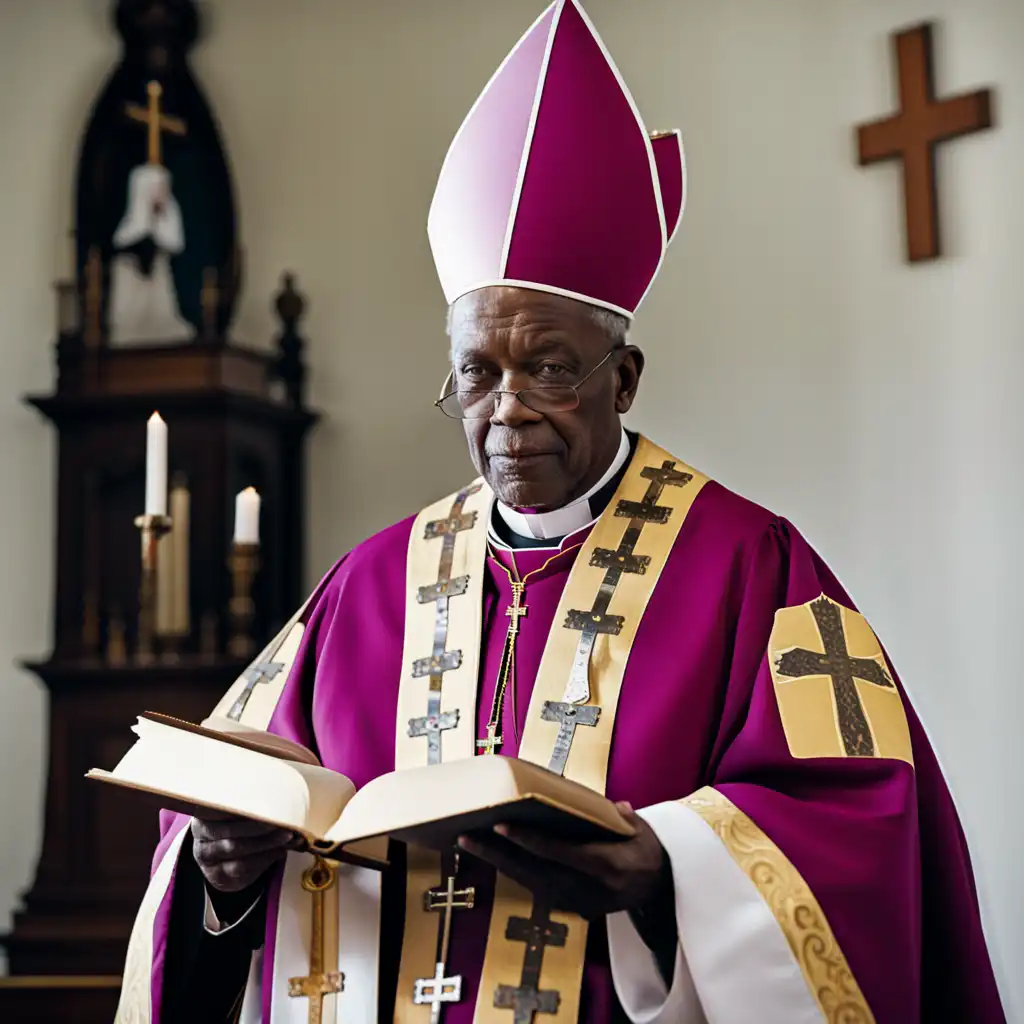
pɑːnˈtɪfɪkl
A book containing the prayers and rites used by a bishop.
The bishop carried his pontifical to the ceremony.
音声を読み込めませんでした。しばらくしてからもう一度お試しください。
The word "pontifical" is often used to describe something that is done in a very formal or ceremonial way, especially if it involves religion. For example, a "pontifical mass" is a Catholic mass that is conducted by a bishop in his role as a high-ranking religious official. The word can also refer to someone or something that is seen as being very authoritative or self-important. For example, a person who speaks in a very grandiose or pretentious way might be described as being "pontifical."
Authoritative means that something is based on expert knowledge and trustworthy sources. For example, an authoritative source might be a respected scholar or a renowned research institution.
Authoritative is a positive and respected term, while pontifical has a negative connotation and suggests arrogance and a lack of respect for others.
単語を開く: Authoritative →Both bombastic and pontifical are words that describe someone's speech or behavior as being overly grandiose and pretentious, but they differ in their connotations and usage.
Bombastic typically refers to language that is excessively inflated or boastful, and is often used as a criticism of someone who is trying too hard to sound important or impressive.
Overall, both bombastic and pontifical have negative connotations and are used to describe behavior or speech that comes across as fake, insincere, or overly showy.
単語を開く: Bombastic →Dogmatic refers to someone who is very assertive about their beliefs and ideas, often to the point of being close-minded or unwilling to consider alternative viewpoints.
単語を開く: Dogmatic →Grandiose refers to something that is larger or more impressive than is necessary or practical, often used to describe something ambitious or exaggerated.
Grandiose describes something that is excessively impressive, while pontifical refers to behaviour that is excessively self-important or arrogant.
単語を開く: Grandiose →Officious refers to a person who is overly eager to offer unwanted help or advice. This could be someone who interferes in situations even though they are not needed or wanted.
Officious refers to someone who is interfering with actions or decisions, while pontifical refers to someone who is behaving in a showy or pretentious way.
単語を開く: Officious →Ostentatious refers to something that is showy or pretentious, meant to attract attention and impress others. It often carries a negative connotation because it can be seen as excessive or insincere.
Both words describe a behavior or style that can be seen as overly inflated or exaggerated, but ostentatious is more about flaunting one's wealth or status, while pontifical is more about acting superior or authoritative.
単語を開く: Ostentatious →Papal refers specifically to the Pope of the Roman Catholic Church, and is often used to describe things that are related to the Pope or the papacy.
For example, the papal tiara is a ceremonial headdress worn by the Pope.
Papal is specifically related to the Pope, while pontifical is more broadly related to the Church's hierarchy and clergy.
単語を開く: Papal →Pretentious means attempting to impress others by pretending to be more important, cultured or sophisticated than one actually is.
So while pontifical describes a more official, serious type of behavior, pretentious describes someone who is faking or exaggerating in order to impress others.
単語を開く: Pretentious →I record it here today to establish my early predisposition to editorial work - to be both pontifical and wrong.