
temper
noun temper
ˈtempər
The way someone usually acts, especially in terms of being angry or calm.
His temper gets worse when he drinks.
temper
ˈtempər
読み込み中…
ˈtempər
The way someone usually acts, especially in terms of being angry or calm.
His temper gets worse when he drinks.

ˈtempər
To make something less severe or extreme, usually by adding something else.
He tempered his criticism with a smile.
ˈtempər
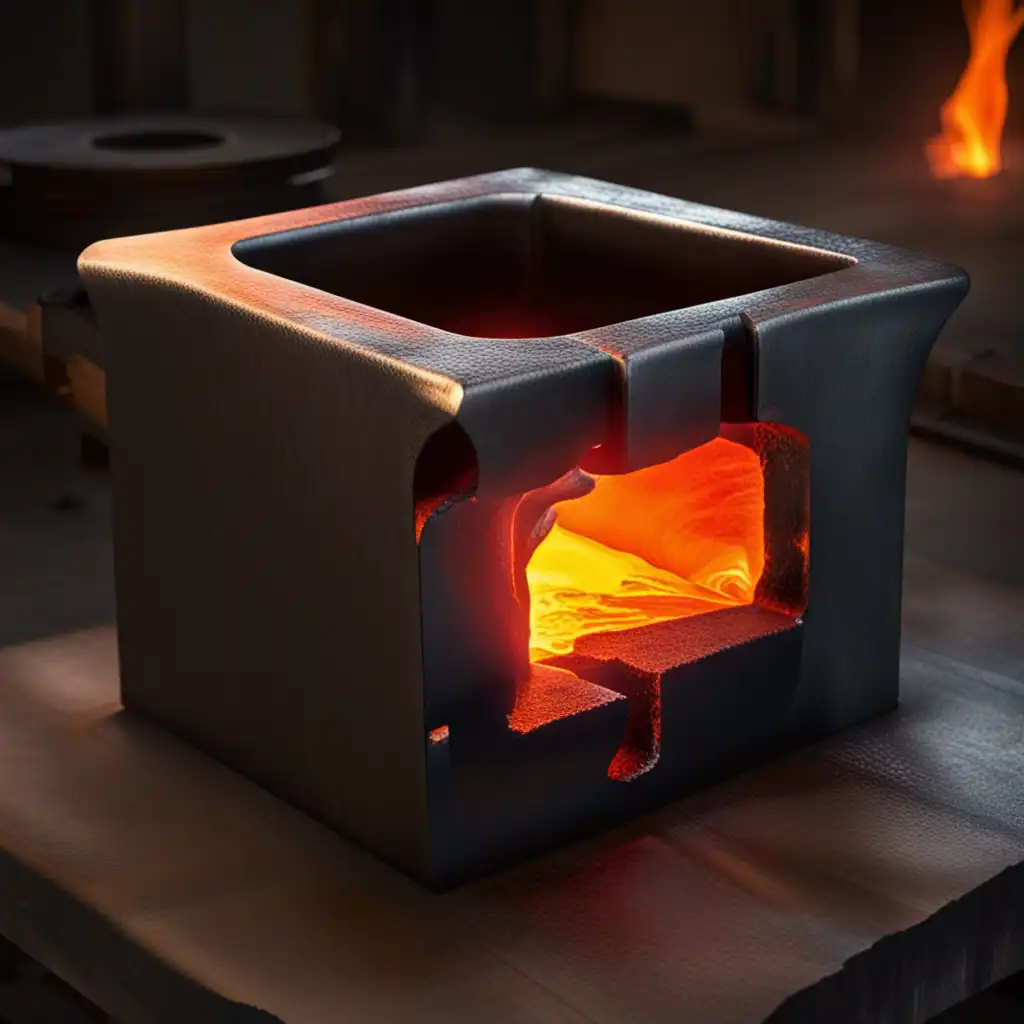
To strengthen and make less breakable by heating and then cooling.
The metal rod was tempered to make it more durable.

ˈtempər
A tendency to become angry very quickly.
Beware of his temper, he can get angry very fast.
音声を読み込めませんでした。しばらくしてからもう一度お試しください。
The word 'temper' can mean a person's mood or how they are feeling at a given time. For example, if someone says "I'm in a bad temper today," it means they are in a bad mood. It can also mean to control your emotions or anger. For example, if someone says "He needs to temper his language," it means he needs to control how he speaks. Additionally, it can mean to adjust or modify something. For example, if someone says "I need to temper the chocolate," it means they need to adjust the temperature of the chocolate to make it the right texture.
Attitude refers to a person's way of thinking or feeling about something.
It is often used to describe a person's general perspective, beliefs or opinions. For example, if someone has a positive attitude, they tend to be optimistic and see the good in situations.
Both attitude and temper can impact how a person behaves or responds to different situations.
Attitude is often considered to be a more stable and long-lasting trait, while temper can fluctuate depending on circumstances.
In everyday life, attitude is applicable in situations where someone's perspective or beliefs are important, such as in a job interview.
単語を開く: Attitude →Character refers to a person's personality traits that define who they are, such as honesty, kindness, and determination.
Character refers to a person's overall personality traits or moral values, while temper refers to their emotional state or reactions in a given situation.
単語を開く: Character →Disposition refers to a person’s natural personality or way of thinking and feeling, while the word temper refers to a person's current emotional state, specifically their angry or irritable behavior.
Disposition is applicable when talking about a person's overall outlook on life, their usual behavior or attitudes. Temper is applicable when talking about someone who is in a particular mood, especially if they are angry, upset or easily irritated.
単語を開く: Disposition →Mood and temper both refer to a person's emotional state, but their usage and meaning differ slightly.
Mood commonly refers to a person's general emotional state, whether it's happy, sad, anxious, or calm.
For example, if someone is in a good mood, they might be more approachable and cheerful. The term mood is applicable in various contexts, such as describing feelings, music, literature, food, and more.
Mood refers to a person's general emotional state, while temper refers to their immediate, often negative, reaction to something.
単語を開く: Mood →Nature refers to the inherent qualities and characteristics that are present in a person, thing, or phenomenon.
In other words, nature is what makes something or someone unique in terms of their personality, behavior, and attributes.
For example, a person’s nature may be outgoing, introverted, kind, or ambitious.
Nature refers to the innate qualities of a person or thing, while temper refers to their current state of mind or behavior in specific situations.
単語を開く: Nature →Spirit refers to a person's overall mood or attitude.
It is often used in phrases like "high spirits" or "team spirit".
Spirit refers to a person's general disposition, while temper refers to their current emotional state or tendency towards certain emotions.
単語を開く: Spirit →Temperament refers to a person's natural tendencies and disposition - in other words, the way they are wired to react and interact with the world.
So while temper describes a particular moment or instance, temperament describes a person's overall temperament - how they tend to react in general.
単語を開く: Temperament →Tone refers to the way someone speaks or writes.
It can convey a person's attitude or mood towards a particular topic or situation. For example, someone speaking in a sarcastic tone might be expressing their lack of enthusiasm or excitement for something.
Additionally, paying attention to the tone of one's own speech or writing can help convey the intended message and avoid misinterpretation by others.
単語を開く: Tone →in Kagoshima for the first time in a decade, it was revealed that the two pairs had fought on opposing sides. Tempers flared and a fight almost broke out until their father stepped in. The brothers managed to make peace
YouTube で見る ↗Let the word go forth from this time and place, to friend and foe alike, that the torch has been passed to a new generation of Americans - born in this century, tempered by war, disciplined by a hard and bitter peace.
They channeled their infinitely justifiable offense and came to me with pointed questions tempered with kindness and humor. They approached me as a human being, and that was more transformative than two full decades of outrage disdain and violence.
YouTube で見る ↗Football in itself is a grand game for developing a lad physically and also morally, for he learns to play with good temper and unselfishness, to play in his place and 'play the game,' and these are the best of training for any game of life.
lobsters lobstermen tempers have sometimes risen and ebbed with the price of the catch over the years lobstering squabbles have occasionally rocked the boat in the gray zone especially when market prices are going up but things are generally copacetic it's all the same to the puffins and other birds that live on the island which is an important seabird colony they're studied by a
YouTube で見る ↗There's no question that as science, knowledge and technology advance, that we will attempt to do more significant things. And there's no question that we will always have to temper those things with ethics.
really makes a difference so the next time you hear a classical piano classical music don't just write it off take a second and think about it think if you can hear the loose wrist the flowing body and the tempered pedal hopefully have helped you to appreciate classical music a little more and
YouTube で見る ↗I've only lost my temper three times in my whole life.
Fortunately the cubs curiosity is tempered by an innate caution
YouTube で見る ↗I think the best directors rarely lose their temper.
There's a push to make researchers raw data, experimental procedures, and analytical techniques more openly available in order to ease replication efforts. The peer review process can also be strengthened to more efficiently weed out weak papers prior to publication. And we could temper the pressure to find big results
YouTube で見る ↗I'm a bit of a hothead in certain circumstances, but you've got to temper it because your fans are there, and they've paid good money to see a show.
She said she thought she might like to work in art or entertainment, but she hadn't decided yet, so she'd spent the last few years waiting tables instead. Because it was cheaper she lived with a boyfriend who displayed his temper more than his ambition.
YouTube で見る ↗I don't lose my temper. I used to, but I realised I would probably die of a brain hemorrhage. So I've governed myself not to mind about things. I have no road rage or anything like that. Because it's life-shortening. And also, there's no need for it; it uses up energy.
The body’s endorphins temper pain signals by binding to these receptors, and opioid drugs bind much more strongly for longer. So opioid drugs can manage much more severe pain than endorphins can. Opioid receptors also influence everything from mood to normal bodily functions.
YouTube で見る ↗I wish I hadn't lost it, and for the rest of my life I can never again lose my temper on TV. The BBC could have sacked me and that would have been the end of my career on TV.
that the leadership forged in war has a different temper and a different tempo and a different outlook than leadership forged in peace. And so my answer would be the leadership has got to come from below, not from above. I mean a recurring theme of the conference this week
YouTube で見る ↗There's definitely an intense anger that I have inside, and I don't know where it came from. I've had it all my life. My mom was always like, 'You're going to end up in jail with that temper!
the artistic and the scientific. A good reader has an artist's passion, a willingness to get caught up in the story, but just as importantly the readers also needs the coolness of judgment of a scientist, which acts to temper and complicate the reader's intuitive reactions to the story.
YouTube で見る ↗Where I once constantly lost my temper, I found myself arriving at a crisis and experiencing peace.