scald
verb scald
skɔːld
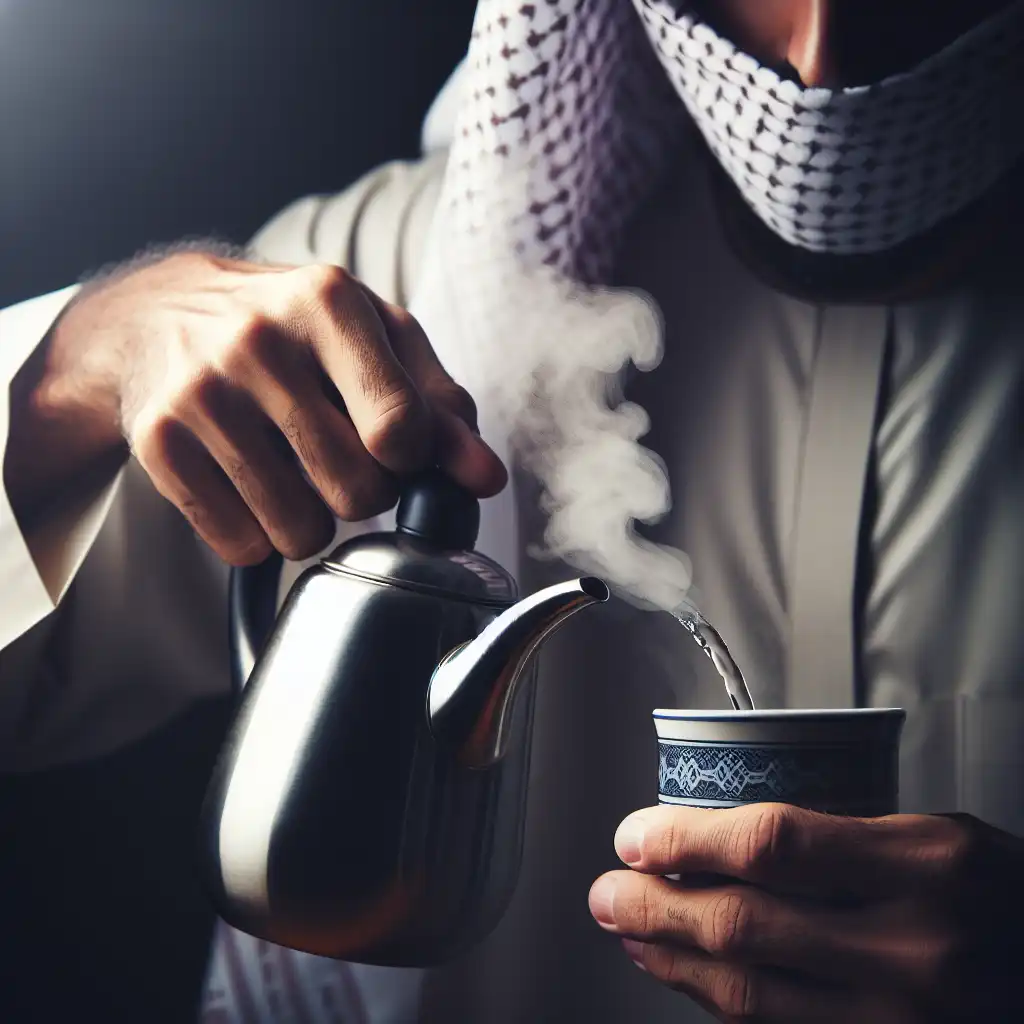
To burn with hot liquid or steam
Be careful not to scald yourself with the boiling water.
scald
skɔːld
Cargando…
skɔːld
To burn with hot liquid or steam
Be careful not to scald yourself with the boiling water.

skɔːld
A burn caused by hot liquid or steam
He got a severe scald from the spilled coffee.
skɔːld
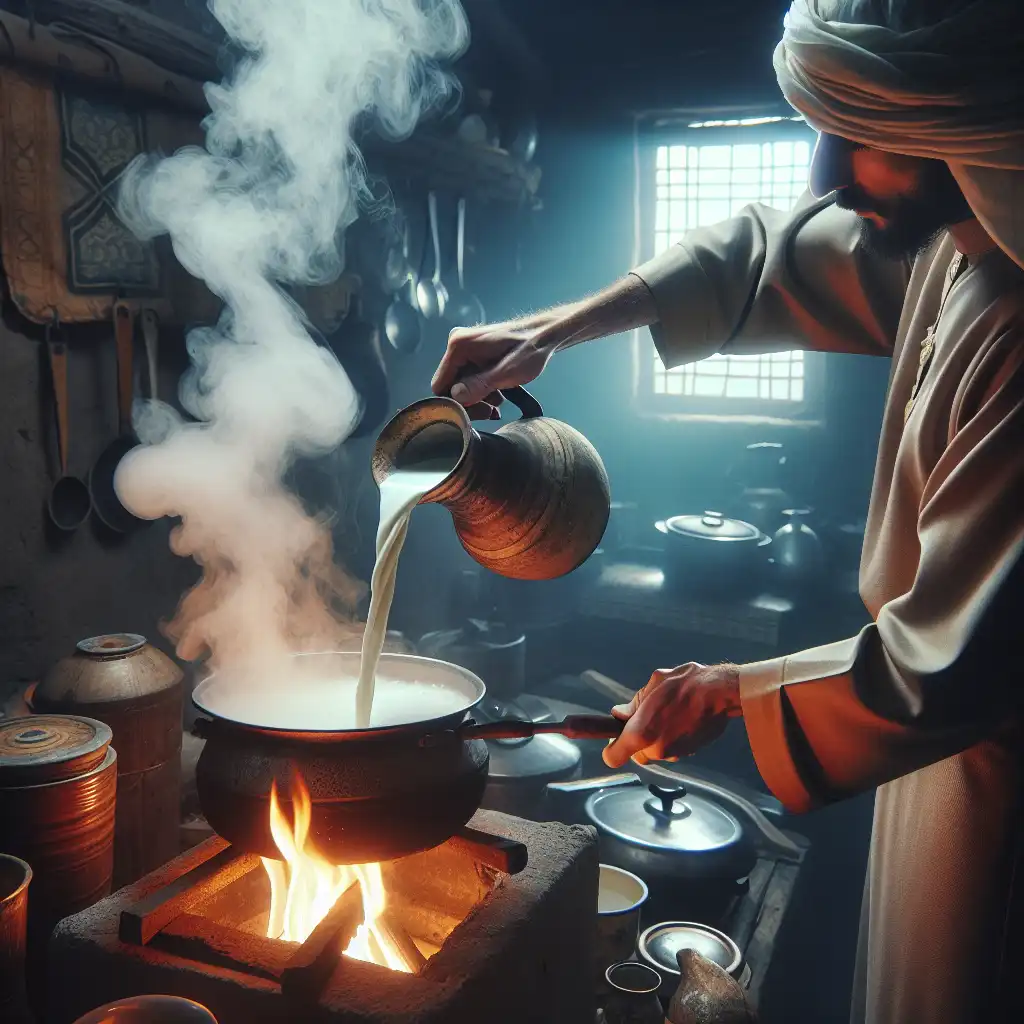
To expose to a high temperature briefly, often as a method of cooking or preparing food
You need to scald the milk before adding it to the mixture.
No se pudo cargar el audio. Inténtalo de nuevo más tarde.
The word 'scald' is used to describe a type of burn caused by hot liquid or steam. So, for example, if you accidentally spill boiling water on your hand and it causes a burn, that would be referred to as a scald. The word can also be used as a verb, meaning to burn in this way, so you might say "I scalded myself while making tea."
Blaze usually refers to a large, bright flame or fire, while scald means to burn or injure with hot liquid or steam.
Blaze can describe a forest fire, or even a candle flame, while scald typically refers to accidentally pouring boiling or very hot water on oneself or someone else, causing injury.
Blaze refers to fire, while scald refers to burns from hot liquids.
Abrir palabra: Blaze →Burn and scald both refer to injuries to the skin caused by heat.
However, a burn is caused by dry heat, like fire, while a scald is caused by wet heat, like hot water or steam.
For example, you can get a burn from touching a hot stove or a burning match, while you can get a scald from touching hot water coming out of a faucet or steam from a pot on the stove.
The treatment for burns and scalds may be different depending on the severity of the injury, but it is important to cool the affected area and seek medical attention if necessary.
Abrir palabra: Burn →Char and scald are two different words with different meanings.
Char refers to the process of burning something, whether intentionally or unintentionally, resulting in a blackened or partially burned surface.
It can also refer to cooking something over an open flame until crispy or charred. For example, when you cook a steak on the grill, you may char the outside to create a crispy crust.
To summarize, char refers to burning through heat or flame, while scald refers to burning with hot liquid or steam. Each word is applicable in different situations, and it's important to use the right word to accurately describe what has happened.
Abrir palabra: Char →Grill means to cook food directly over or under heat, often on a grill or barbecue. It is commonly used for cooking meats, vegetables, and fruits.
Grill is used for cooking food over heat, while scald is used for heating liquids or accidentally burning skin with hot liquids.
Abrir palabra: Grill →Heat is a term used to describe high temperature when referring to objects or environments. For example, the sun provides heat; and in the kitchen, a stove gives off heat when it's turned on.
Scald can occur when a person accidentally spills boiling water or hot liquid on their skin. Heat refers to temperature, while scald is a type of injury caused by exposure to hot liquids or steam.
Abrir palabra: Heat →Sear means to burn the surface of something with a high temperature, usually a hot pan, grill, or oven for cooking. It is applicable when cooking food to seal in the juices and flavor while creating a crispy outer layer.
Scald is accidental burning with hot liquid, while sear is a deliberate burning of the surface of food for cooking.
Abrir palabra: Sear →Singe means to burn slightly or to singe the surface, like when you accidentally hold your hair over a flame for a second and it turns brown or black.
So, scalding happens with hot liquid and singeing happens with fire or heat. Each term is applicable in different situations depending on what caused the burn.
Abrir palabra: Singe →Toast is used when something is heated to a temperature that makes it crispy, brown and delicious. You can toast bread, marshmallows, or nuts.
Toasting usually involves cooking food with dry heat, like in a toaster or an oven.
In summary, scalding means applying excessive heat that could injure, while toasting means applying heat to make something crispy and browned.
Abrir palabra: Toast →Why don’t poisonous...
Ver en YouTube ↗Scalded cats fear even cold water.
Mike deGruy: Hooked by...
Ver en YouTube ↗It is an intern's job to go for coffee for anyone who asks, preferably delivering it scalding hot and cupped in your bare hands!
Harnessing the Power of...
Ver en YouTube ↗I am tired, beloved, of chafing my heart against the want of you; of squeezing it into little ink drops, and posting it. And I scald alone, here, under the fire of the great moon.
A Moment in the Sun by...
Ver en YouTube ↗Mum's serial misbehavior over the years had driven me, despairing, to write her scolding - occasionally scalding letters.
Crazy people are my people? Really? I think that's silly. That's another one of those pigeonhole things. Lay somebody on an ironing board and put a scalding hot iron on them, get that going real good: 'Oh, this is who Holly Hunter is.
My life changed irrevocably four-and-a-half years ago when my spine failed and collapsed. I spent two years on the floor, in excruciating, debilitating and unrelenting pain. I can only describe the pain as being submerged into a vat of scalding acid that has an electric current running through it. And you can never get out, ever.