resin
noun resin
ˈrezn
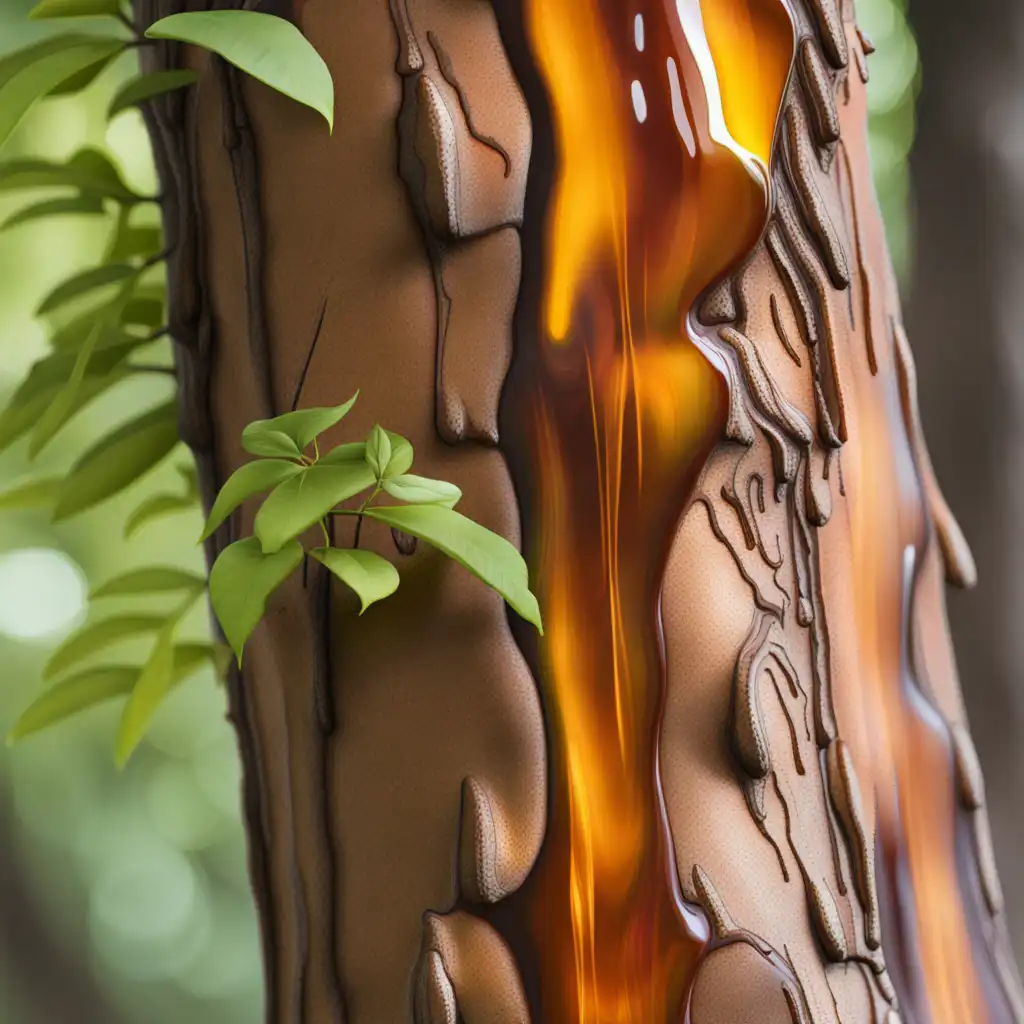
A sticky substance that comes from trees
The tree dripped with thick, amber-colored resin.
resin
ˈrezn
불러오는 중…
ˈrezn
A sticky substance that comes from trees
The tree dripped with thick, amber-colored resin.
ˈrezn
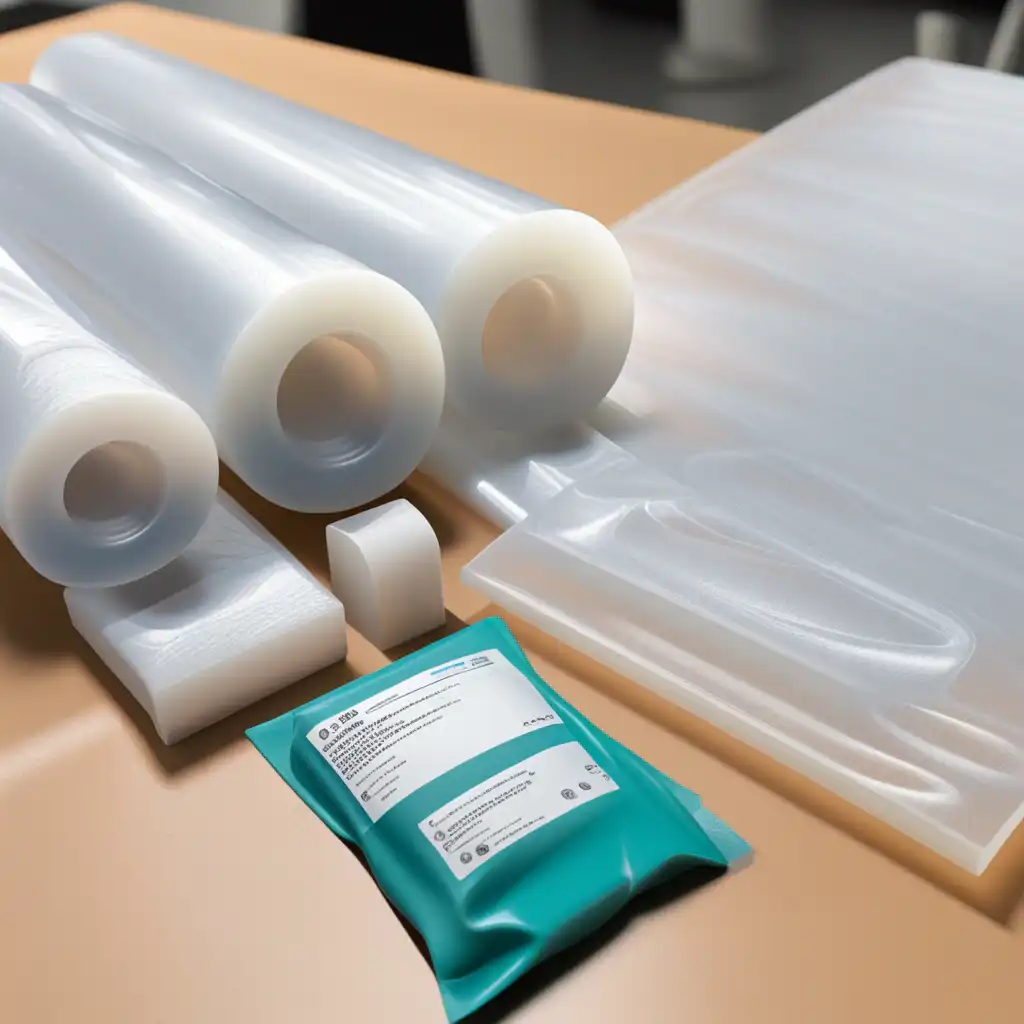
A chemical used in plastic and production of other materials
Polyester resins are used in sheet moulding compound, bulk moulding compound and the toner of laser printers.
오디오를 불러오지 못했어요. 잠시 후 다시 시도해 주세요.
Resin is a sticky substance that is often used to make products like glue, varnish, or plastic. It is usually made from plants or trees and can be transparent or colored. Resin can also be used for crafts like jewelry-making, as well as for repairing and preserving things like furniture.
Adhesive refers to a substance that is used to join or stick two surfaces together. It is glue-like and can range from a weak adhesive, like a post-it note, to a stronger adhesive, like superglue.
Adhesives are commonly used in woodworking and construction to bond materials together.
Adhesive is used for sticking things together while resin is used for creating three-dimensional shapes or objects.
단어 열기: Adhesive →The main difference between glue and resin is the way they work. Glue is a type of adhesive that sticks two surfaces together, such as paper or wood.
Resin may also be used to bond two surfaces together but usually requires a specific mixing and curing process, making it more complicated to use than glue.
So, in summary: glue is a simple adhesive that sticks two surfaces together, while resin is a liquid plastic that hardens when it dries and can be used for bonding or coatings.
단어 열기: Glue →Gum and resin are both substances produced by trees, but they have different properties and uses.
Gum is a sticky substance that is water-soluble and often used for chewing or as a thickener in foods like candy or ice cream.
Gum is typically used for things that require a sticky, chewy texture, while resin is used for more solid applications like furniture and art.
단어 열기: Gum →Lacquer and resin are both materials used to add a protective layer or coating to an object, but they are made of different things and used in different ways.
Lacquer is a type of paint that is made by dissolving tree sap or synthetic materials in a solvent. It dries hard and shiny, and is often used as a protective coating for wood or metal surfaces, such as furniture or cars.
Lacquer is used as a paint-like coating for surfaces, while resin is used as a molding or casting material or as a coating for surfaces.
단어 열기: Lacquer →Mastic is a type of resin that comes from a tree. It is sticky and has a very distinct aroma.
Mastic is often used in cooking and baking, as well as in cosmetics and personal care products.
Mastic is a specific type of resin that comes from a tree and is often used in cooking and personal care products.
단어 열기: Mastic →Pitch and resin are both sticky substances derived from trees, but they are used for different purposes.
Pitch is a tar-like substance that is commonly used in construction and shipbuilding.
It is often used to seal joints and seams to make them watertight. For example, pitch may be used to seal the seams of a wooden boat to prevent water from leaking through.
Pitch can also be used to patch holes and cracks in roofs or walls.
Pitch is mainly used to seal and waterproof, while resin is used to create strong and durable products.
단어 열기: Pitch →Plastic is a term used to describe a wide range of materials made from synthetic, semi-synthetic, or natural compounds.
Resin is a specific type of plastic that is commonly used for casting, molding, and other applications that require a strong, durable, and heat-resistant material.
Plastic is a more commonly used and versatile term, while resin is typically used in more specialized applications, such as art and industrial manufacturing.
단어 열기: Plastic →Polymer refers to a large molecule made up of repeating units. This can include materials like plastics, rubber, and even some biological molecules like proteins and DNA.
A resin refers to a type of polymer that starts out as a liquid or semi-liquid material and then hardens to a solid. Resins are often used in coatings, adhesives, and casting materials.
So while all resins are polymers, not all polymers are resins.
단어 열기: Polymer →Sap is a watery liquid that circulates through trees to provide them with essential nutrients. Sap is generally a clear or pale yellow color, and it is produced by the tree's leaves during photosynthesis.
Sap is often used to make things like syrup and sugar.
Resin is a sticky solid substance that trees produce to protect themselves, while sap is a watery liquid that provides trees with nutrients.
단어 열기: Sap →Resin and varnish are both used to protect and enhance the appearance of wood and other materials, but they have different properties and applications.
Varnish is a transparent or semi-transparent coating made from a mixture of resin, oil, and solvent. It is specifically designed to protect and enhance the natural beauty of wood by bringing out the grain and depth of color.
Varnish provides a durable and water-resistant finish that is ideal for use on furniture, floors, and other high-use surfaces.
Resin is more versatile and can be used in a wider range of applications, while varnish is more specific to wood protection and enhancement.
단어 열기: Varnish →the world they look as if they've been sculpted by some truly tormented mind this one here is less than a thousand years old they can get to be at least twice that age the woods have such high quality so full of resin but even a couple of hundred years after the tree dies the stump
YouTube에서 보기 ↗No one believed me when I said it was possible to put fabric in resin.
very brutally cold climate this is hopefully gonna keep me limber enough to keep my lifestyle going pour it in here then I'm gonna take oil all of the resins those little clippings have I
YouTube에서 보기 ↗When I was little, I'd pick flowers wherever I traveled with my mom, then dry them, cover them with resin, and turn them into paperweights.
and aged the works by applying synthetic resin and baking them to dry and crack the paint. A forensic test could have detected the synthetic resin. But at the time such tests were neither advanced nor widespread,
YouTube에서 보기 ↗Unless we understand a certain material - metal or resin and plastic - understanding the processes that turn it from ore, for example - we can never develop and define form that's appropriate.
their oceans rendered depauperate or barren of sea life because of plastic. So you come down that chain, and there's tens of thousands of brands which we all buy heaps of products from, but then there's only a hundred major resin producers, big petrochemical plants,
YouTube에서 보기 ↗The ideal job letter starts with a brilliant light. Then we realize that this brilliant light is actually sunlight, shafts of it, pouring through trees onto a thick bed of pine needles. Soft dusty resin floats in the sun shafts, invitingly. The smell of pine and sap rises from the forest floor. A twig snaps underfoot.
terribly allergic to bees and afraid of them so I covered it in more resin thinking I would hide it the opposite happened I discovered an optical quality the text was magnified this built me
YouTube에서 보기 ↗I like kind of natural, woodsy earth tones. I like patchouli. I like tobacco. I like sandalwood. I like tree resin. I'm not a huge fan of citrus - I like things that are kind of moodier and... more deeper base notes.
in tree sap. The sap or resin forms a protective seal around the entrapped organism. Over time the soft resin hardens and turns into amber with the organism suspended within. This process creates a biologically inert tomb
YouTube에서 보기 ↗To experience the northern forest in the raw, I went to northern Finland and Lapland, travelling on horseback, and sleeping on reindeer skins in the traditional open-fronted Finnish laavu. I ate elk heart, reindeer and lingonberries, and tried out spruce resin: the chewing gum of the Stone Age.
and I poured resin all over it and a bee got stuck. Now she's afraid of bees and she's allergic to them, so I poured more resin on the canvas thinking I could hide it or something. Instead the opposite It sort of created a magnification, like a magnifying glass on the dictionary text.
YouTube에서 보기 ↗at the insects in amber that he kept in the house. And they were remarkably well preserved, morphologically just phenomenal. And we used to imagine that someday, they would actually come to life and they would crawl out of the resin, and if they could they would fly away.
YouTube에서 보기 ↗it was better than anything that I could achieve or obtain out in the world. But there was a problem. And the problem was I wanted the entirety of the object, I wanted the weight behind the object. This thing was made of resin and it was too light.
YouTube에서 보기 ↗five different things solvent resin pigment release agent and wax and the wax we can ignore for now because it's kind of a wild card the resin and the pigment you can think of as one thing the point of the resin is to help the pigment evenly spread
YouTube에서 보기 ↗