
twill
noun twill
twɪl
A type of fabric with a pattern of diagonal parallel ribs
He wore a suit made of twill.
twill
twɪl
Cargando…
twɪl
A type of fabric with a pattern of diagonal parallel ribs
He wore a suit made of twill.
twɪl
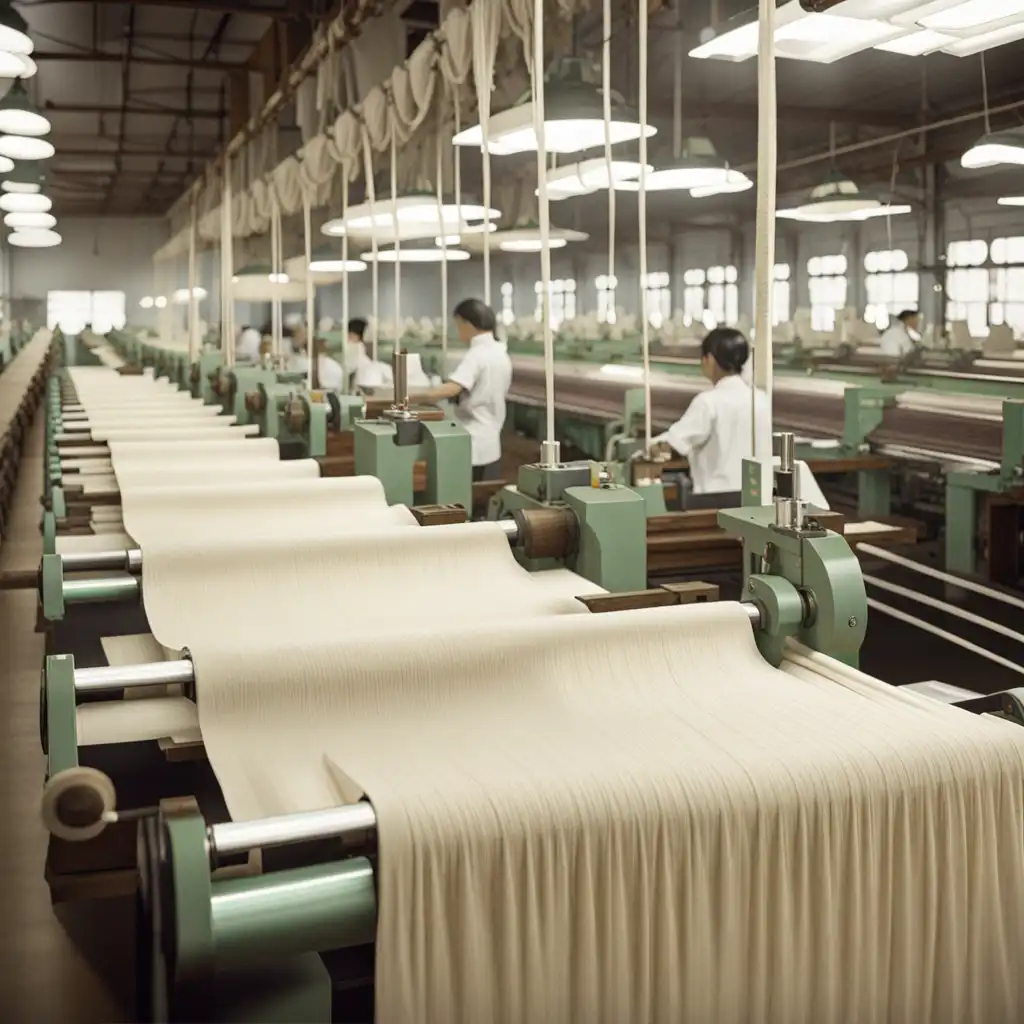
To weave in a way to produce twill fabric
The company twills cotton to create durable clothes.
No se pudo cargar el audio. Inténtalo de nuevo más tarde.
Twill is a type of fabric that has a pattern made up of diagonal lines. It is commonly used in clothing and home decor, such as bed sheets and curtains. You can use the word 'twill' when talking about fabrics, for example "I'm looking for a twill fabric for my new couch."
Cloth is a general term for any type of woven material made from fibers like cotton, wool, or silk. It includes a wide variety of fabrics such as denim, linen, and cotton.
Twill fabrics are strong and durable, making them ideal for use in clothing, upholstery, and home decor. Examples of products made from twill fabric include denim jeans, chinos, and some types of bedding.
Cloth is a general term for any woven material while twill is a specific type of weave used to make fabric.
Twill is known for its durability and is commonly used in clothing and home decor.
Abrir palabra: Cloth →Fabric refers to any material that is woven or knitted, such as cotton, silk, or wool. Twill is a type of weave used to create a specific texture in fabric.
It is recognizable by its diagonal lines or ridges and is often used in denim, khaki, and other sturdy materials. So, all twill is fabric, but not all fabric is twill.
Abrir palabra: Fabric →Gabardine and twill are both types of fabric weaves, but they have some differences.
Gabardine is a tightly woven, durable fabric that has a somewhat shiny appearance.
Gabardine is a formal and durable fabric used for suits or outerwear, while twill is a more casual and comfortable fabric used for jeans or workwear.
Abrir palabra: Gabardine →Both herringbone and twill are fabric weaves that create a diagonal pattern.
Herringbone weave creates a broken zigzag pattern that looks like the skeleton of a herring fish.
Herringbone weave creates a broken zigzag pattern and is typically used for heavier fabrics like suits and coats, while twill weave creates a diagonal pattern and is typically used for lighter fabrics like cotton and denim.
Abrir palabra: Herringbone →Material refers to any substance, fabric, or matter that can be used to make something, such as a shirt or a bag. It is a general term used to describe anything that can be used to create a physical object.
Therefore, while material refers to any substance used to create an object, twill specifically refers to the weaving pattern used to create a particular type of fabric.
Abrir palabra: Material →Pattern refers to a design or a repeating sequence of colors, shapes or motifs.
A twill weave creates a diagonal pattern in the fabric, which gives it a strong and durable texture. Twill is commonly used for denim jeans, workwear and other heavy-duty fabrics.
Pattern refers to a design, while twill refers to a type of fabric weave.
Pattern can be applied to any type of design, while twill is applicable to fabrics that require strength and durability.
Abrir palabra: Pattern →Serge and twill are both types of fabric weaves, which affect their appearance and properties.
Serge is a type of weave that creates a diagonal pattern on the fabric. It is a relatively sturdy and durable fabric, often made with wool or cotton, and is commonly used in making suits, uniforms, and pants.
Twill is also a diagonal weave, but it is more subtle than serge. It is a versatile weave used in a variety of fabrics, including cotton, wool, and silk.
Serge is a more durable and sturdy fabric often used for structured garments, while twill is more versatile and can be used for a variety of fabrics.
Abrir palabra: Serge →Texture refers to the physical feel or appearance of a surface or material.
It can be smooth, rough, bumpy, or anything in between. Texture is applicable to materials like fabrics, wallpapers, and surfaces like painted walls or ceilings.
Twill can create a variety of textures, from a smooth surface to a rougher, more textured feel.
Texture is a general term that refers to the physical qualities of a surface or material, while twill is a specific weaving pattern that can create a unique visual and tactile texture in fabrics.
Abrir palabra: Texture →Twill and weave are both words used to describe the process of creating fabric. Weave refers to the way threads interlace to create a fabric.
It can be done in a variety of patterns and is used to create many types of fabrics, such as satin, plain weave, twill weave, and others.
Twill is a specific type of weave, which involves a diagonal pattern in the fabric.
It is often used in fabrics for clothing, such as denim, and is known for its durability and strength. Weave is a general term for the process of creating fabric, while twill is a specific type of weave.
Abrir palabra: Weave →