
overcharge
verb overcharge
ˌəʊvərˈtʃɑːrdʒ
To ask too much money for something
I think the mechanic overcharged me for the repair work.
overcharge
ˌəʊvərˈtʃɑːrdʒ
Loading…
ˌəʊvərˈtʃɑːrdʒ
To ask too much money for something
I think the mechanic overcharged me for the repair work.
ˌəʊvərˈtʃɑːrdʒ
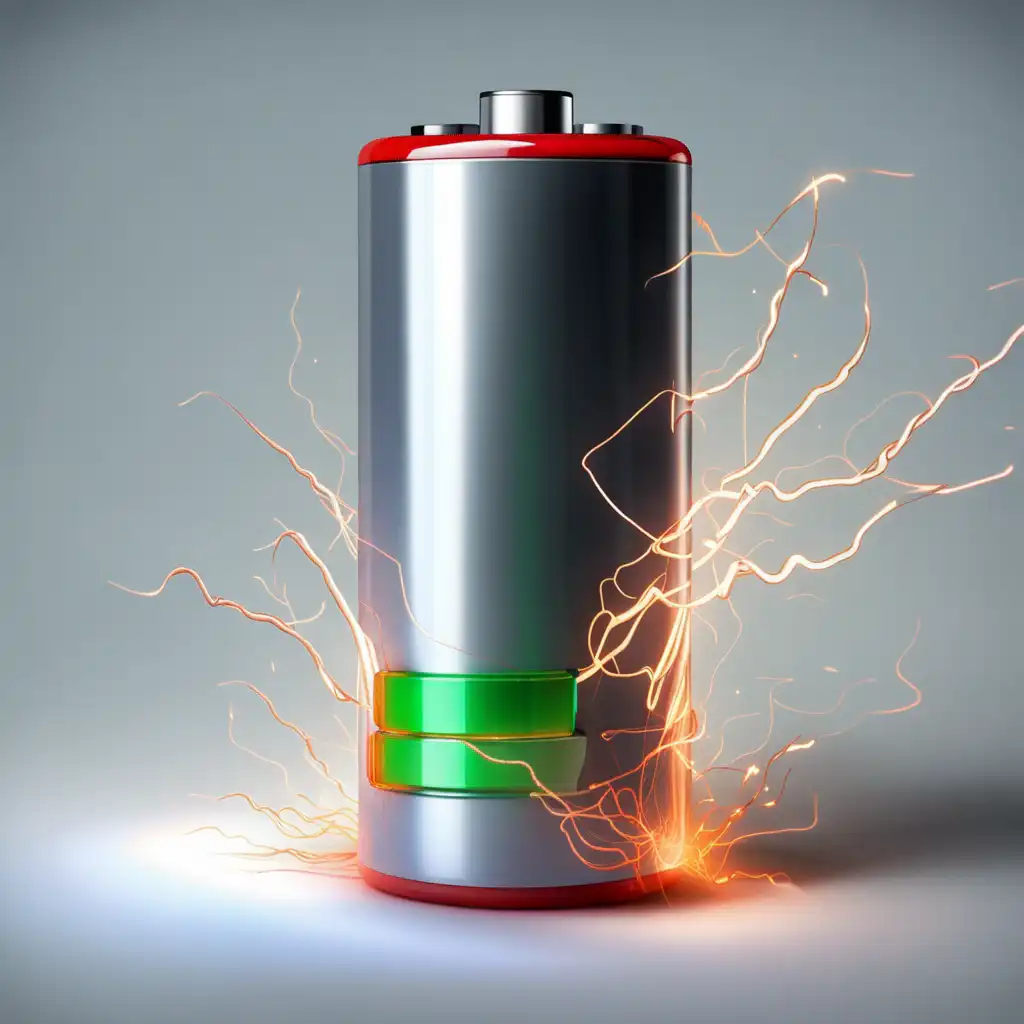
To fill with too much electrical charge
Be careful not to overcharge the battery or it may explode.
Audio could not be loaded. Please try again later.
The word 'overcharge' means to charge too much for something. For example, if you go to a store and they charge you more than the price advertised, then they have overcharged you. It can also refer to charging too much for a service or a product. It is important to be aware of overcharging so that you do not pay too much for something.
Cheat means to act dishonestly or unfairly to gain an advantage or deceive someone. For example, if someone secretly changes the rules of a game to win, that person is cheating.
To put simply, cheating is dishonest behavior to gain an unfair advantage, while overcharging is charging more than what is reasonable or expected.
Cheating is applicable in situations where someone is trying to deceive or manipulate others, while overcharging is applicable in situations where someone is charging an excessive amount for something.
Open word: Cheat →Con refers to the act of deceiving or tricking someone in order to gain something from them. It usually involves dishonesty or manipulation.
For example, if a salesman promised to sell you a car for $10,000 but ended up charging you $15,000 by adding hidden fees and charges, he would be conning you.
Con is applicable in situations where deception or trickery is involved, while overcharge is applicable when someone is charging too much money for a product or service.
Open word: Con →Exploit means to take advantage of a situation or a person for personal gain or benefit. For example, an employer may exploit their workers by paying them lower than the industry standards.
Exploit is applicable in situations where someone takes advantage of another person or a situation for personal gain, while overcharge is applicable in situations where someone charges more than what is fair or reasonable for a product or service.
Open word: Exploit →Extort means to obtain something through force or threats, usually money, property or services. It is applicable when someone uses illegal or unethical means to extract something of value from another person.
Extort means to forcefully take something from someone, while overcharge means to charge an excessively high price for something.
Open word: Extort →Fleece means to cheat or deceive someone by taking advantage of their trust. This is usually done in a financial or economic context where one person charges another person more than is fair or reasonable.
For example, a shopkeeper may fleece a customer by charging them twice the normal price for a product.
Fleece relates to dishonesty and deception, while overcharge simply describes charging an excessive amount.
Open word: Fleece →Inflate means to increase the value or amount of something, while the word overcharge means to charge more than what is fair or reasonable for something.
For example, if you inflate a balloon, you are adding more air to it to make it bigger. If a store overcharges you for a product, they are charging you more money than what the product is worth.
Inflate is typically used for things that can be physically expanded, such as balloons or tires. Overcharge is used in situations where someone is charged more money than they should be, such as at a store or for a service.
Open word: Inflate →Surcharge refers to an additional fee or charge beyond the original cost of a product or service.
It is often applied to cover specific costs or expenses, such as taxes or processing fees. For instance, a customer might pay a surcharge on their credit card bill to cover the cost of a transaction fee.
Overcharge means charging too much, while surcharge means an extra charge. Overcharge is generally considered unfair, while surcharge is often considered reasonable and necessary to cover additional expenses.
Open word: Surcharge →Overcharge means to charge too much for something, while swindle means to cheat or trick someone out of their money.
Example: If a store charges $20 for a shirt that is usually sold for $15, it is an overcharge. If a person sells a fake watch to someone for $100, it is a swindle.
Overcharge is applicable when a product or service is priced higher than its fair value. Swindle is applicable when someone intentionally deceives another person to gain their money or assets.
Both terms are related to money but overcharge may be unintentional and simply an inflated price, while swindle is always intentional and involves deception.
Open word: Swindle →Doomsday Prepper Tips:...
Watch on YouTube ↗No, don't learn at karate schools. They overcharge you for karate uniforms. They make you pay, like, fifty or seventy-five bucks just for a karate uniform, and you don't wear a uniform in everyday life, so why train in one? Most fights take place outdoors, not inside with perfect lighting and mats.
Prosecutors frequently overcharge, load up charges on individual defendants, knowing that three strikes laws and harsh mandatory minimum sentences will force people to plea bargain and essentially convict themselves because they're terrified of doing a life sentence for a relatively minor crime.
Traditional consumer finance has been unfair for decades. Banks have had a monopoly on financial services and have been able to overcharge and underserve consumers.
Hey, if we didn't overcharge for our product - guess what - people wouldn't have to buy used games.
What puzzles me is the way that some of the smaller, unknown chateaux imagine that because Chinese millionaires pay ludicrous sums for the great names, they can overcharge for their own inferior fluids. There is no trickledown effect in wine prices.