cowslip
noun cowslip
ˈkaʊslɪp
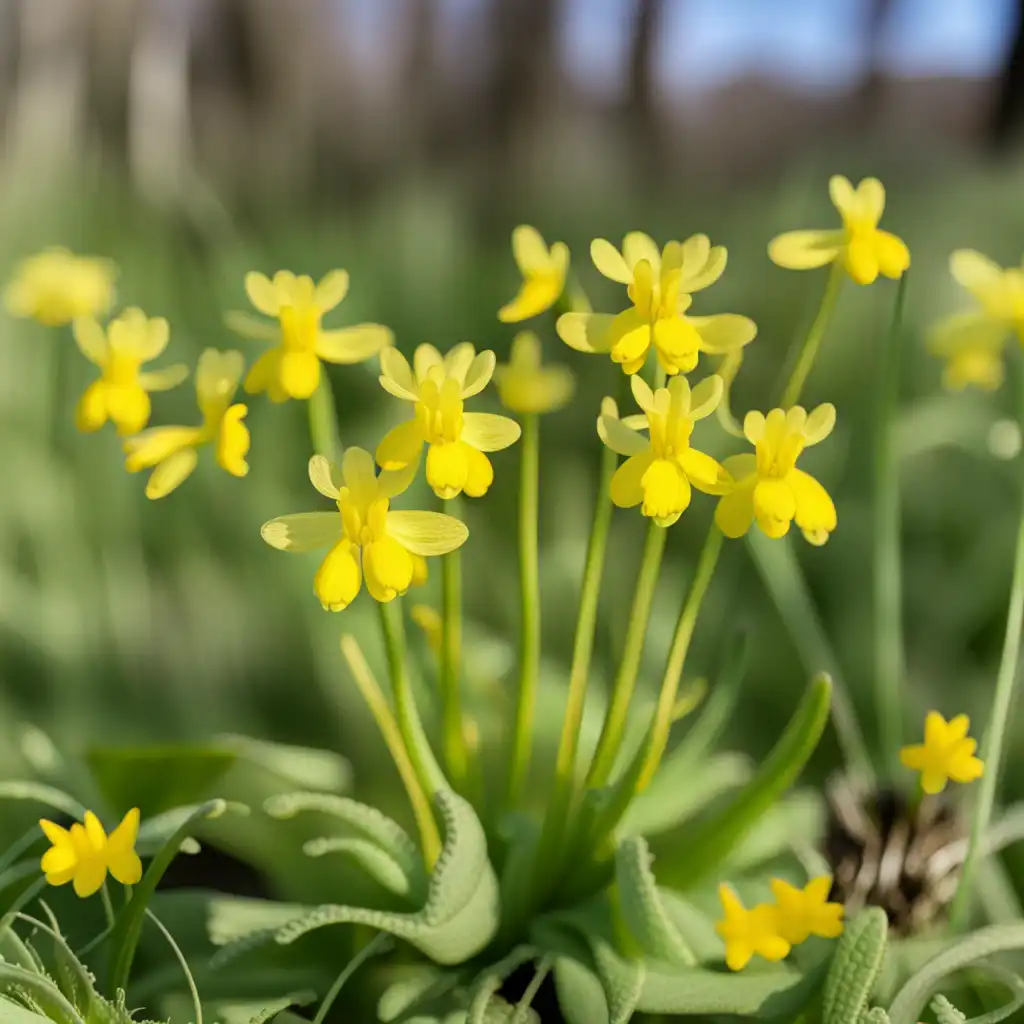
A small European plant with yellow flowers
In spring, the meadow is full of blooming cowslips.
cowslip
ˈkaʊslɪp
불러오는 중…
ˈkaʊslɪp
A small European plant with yellow flowers
In spring, the meadow is full of blooming cowslips.
ˈkaʊslɪp
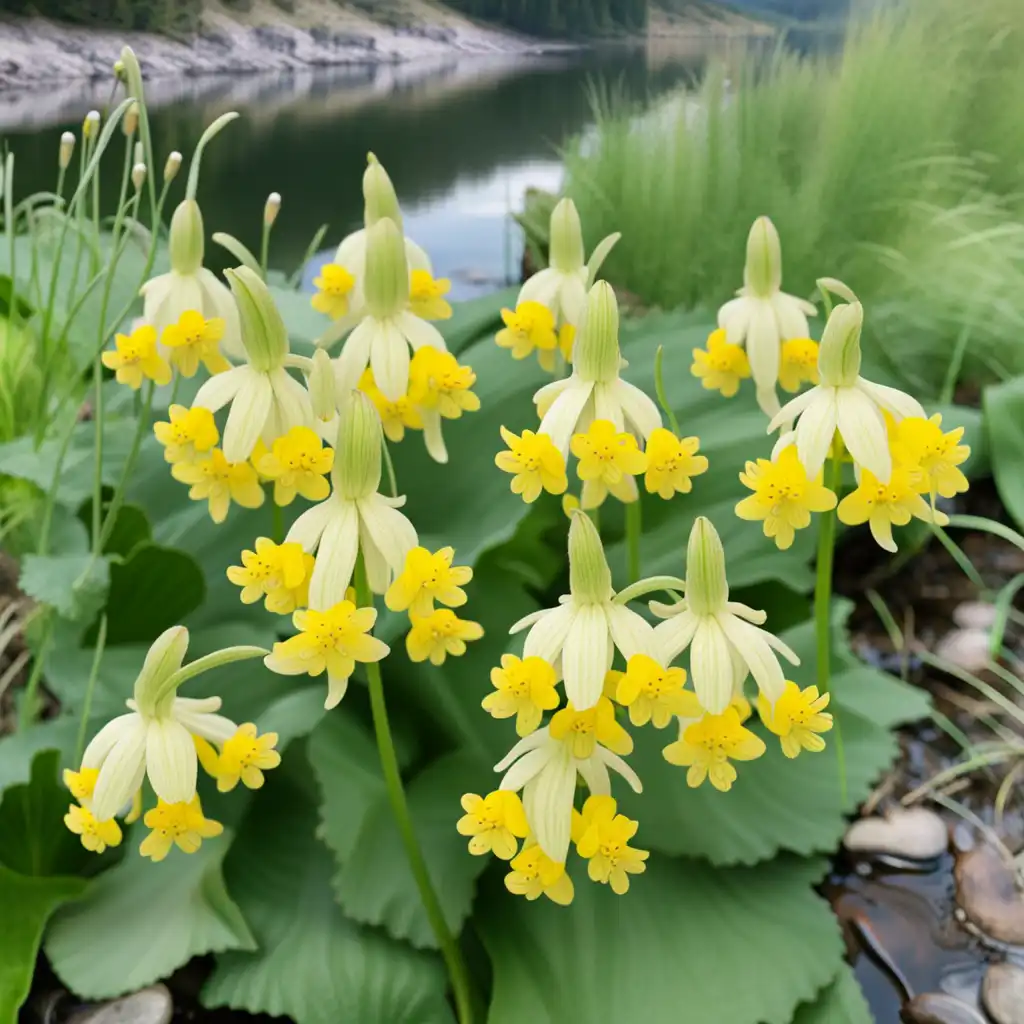
A North American plant with bell shaped flowers
The cowslips by the river were in full bloom.
오디오를 불러오지 못했어요. 잠시 후 다시 시도해 주세요.
Cowslip is a type of plant with yellow flowers that grows in fields and meadows. You might see them in the countryside or in gardens. The word cowslip is often used in poetry and literature to describe the beauty of nature.
Buckle and cowslip are completely different words with no common meaning.
Buckle is a noun and a verb that refers to a fastener or clasp used to secure something, such as a belt, shoe or bag. For example, a belt buckle is the metal frame that holds the belt in place around the waist.
Cowslip is an example of flora, as opposed to buckle, which is an example of a household item.
Buckle is applicable when referring to something used to fasten or secure things, while cowslip is applicable when referring to a specific type of wildflower.
단어 열기: Buckle →Cowslip and primrose are both flowering plants, but there are some differences between them. Cowslips have bell-shaped flowers that are usually yellow with orange spots on the petals, while primroses have flat or slightly curved flowers that come in a wide range of colors, including white, yellow, pink, and purple.
Cowslips prefer nutrient-rich soil and are typically found in meadows or woodland edges, while primroses prefer damp and shady areas like woodland floors, riverbanks, and hedgerows.
However, primroses have more medicinal properties and the leaves and flowers are used in traditional herbal remedies for headaches, insomnia, and other ailments.
단어 열기: Primrose →What child has ever known the country and has not twined hundreds of fragrant wreaths with the yellow shining cowslip and the more frail and delicate violet - mingling here and there green leaves culled from the odorous eglantine, or, as we more commonly call it, sweetbriar.