
gnostic
adjective gnostic
ˈnɑːstɪk
Relating to knowledge, particularly spiritual knowledge or enlightenment.
His book takes a gnostic approach to understanding the human soul.
gnostic
ˈnɑːstɪk
Chargement…
ˈnɑːstɪk
Relating to knowledge, particularly spiritual knowledge or enlightenment.
His book takes a gnostic approach to understanding the human soul.
ˈnɑːstɪk
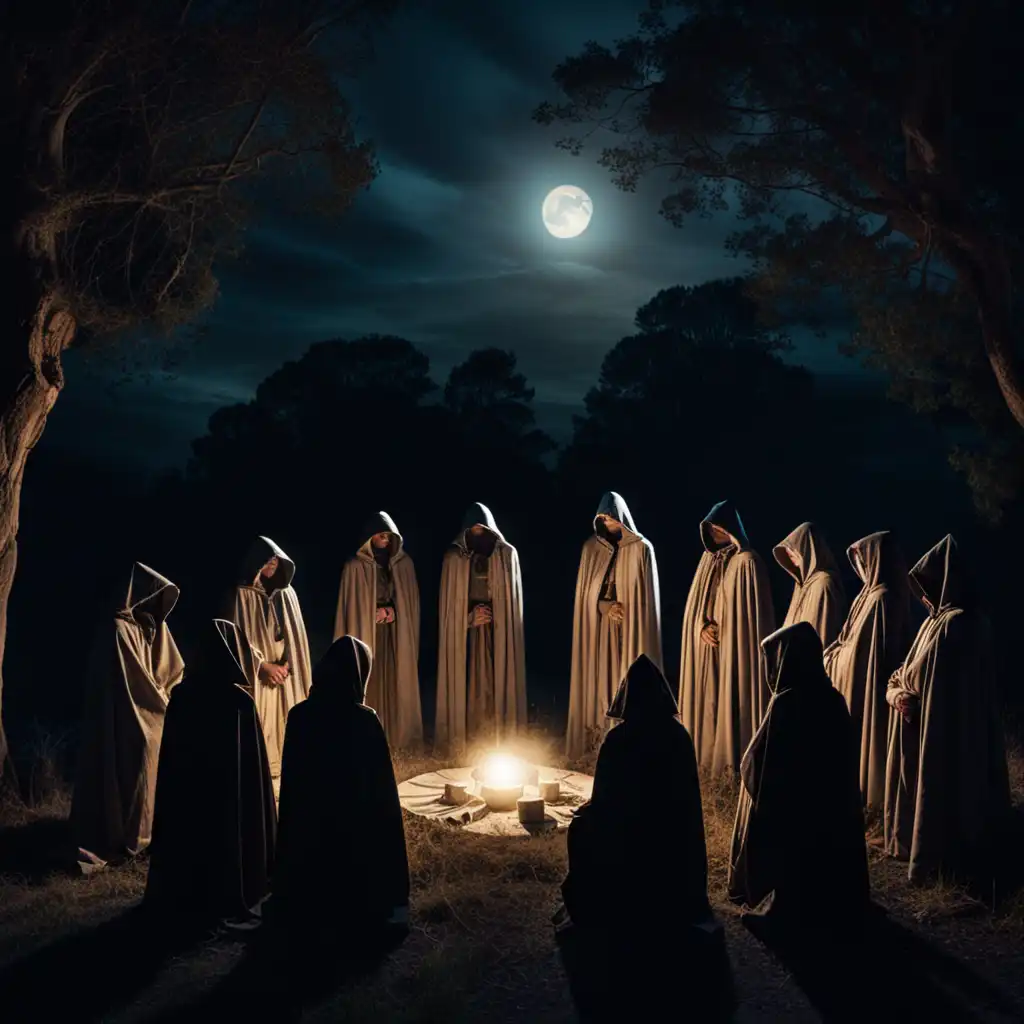
A person who pursues personal knowledge or spiritual enlightenment, often outside traditional religious structures.
Gnostics in ancient times were believed to have their own secret rituals and teachings.
Impossible de charger l’audio. Réessayez plus tard.
The word "gnostic" comes from Ancient Greek and means "to have knowledge." In today's language, the word is used to describe someone who has a deep understanding of a particular subject or area of study. It can also refer to a movement of early Christianity that emphasized the importance of personal spiritual knowledge. In everyday conversation, you might use the word "gnostic" to describe someone who seems extremely knowledgeable about a topic, or to talk about the beliefs and practices of the Gnostic Christian tradition.
Arcane means something that is mysterious or understood by only a select few.
It is often used to describe knowledge or practices that are difficult to understand or have been kept secret. For example, arcane symbols or rituals.
Arcane describes something mysterious or secretive, while gnostic refers to someone who seeks spiritual understanding through personal experience.
Ouvrir le mot: Arcane →Enigmatic refers to something that is mysterious or difficult to understand.
Enigmatic describes something that is puzzling or mysterious, while gnostic describes a type of knowledge or understanding that isn't necessarily based on logical thinking.
Ouvrir le mot: Enigmatic →Esoteric refers to information or knowledge that is understood by only a select group of people who have specific expertise or training in a particular area.
For example, a physicist might have esoteric knowledge about advanced theories of quantum mechanics that most people would not understand.
So while esoteric can refer to any kind of specialized knowledge, gnostic usually refers to specific spiritual beliefs or practices.
Ouvrir le mot: Esoteric →Inscrutable refers to something that is mysterious or difficult to understand. It suggests that something is not easily comprehensible, and might require a lot of effort to figure out.
So, while gnostic implies a certain level of knowledge or understanding, inscrutable refers to the opposite - something that is hard to understand.
Ouvrir le mot: Inscrutable →Mysterious, on the other hand, relates to events or phenomena that are difficult to explain or understand due to their complexity or unusual nature.
Gnostic relates to a deep understanding that is intuitive in nature, whereas mysterious refers to something that is difficult to understand due to its complexity or unusual nature.
Ouvrir le mot: Mysterious →Gnostic refers to someone who seeks knowledge or understanding through intellectual means, while mystic refers to someone who seeks understanding through spiritual or intuitive means.
Gnostics focus on gaining knowledge through studying and understanding concepts, while mystics focus on experiencing a deeper connection to the divine through meditation, prayer, and other spiritual practices.
Ouvrir le mot: Mystic →Occult refers to hidden or esoteric knowledge that is often associated with supernatural or mystical phenomena.
While gnosticism can refer to a broader range of spiritual or philosophical knowledge, occult specifically refers to hidden or secret knowledge related to supernatural or mystical phenomena.
Ouvrir le mot: Occult →Gnostic refers to a specific belief system or philosophy that emphasizes gaining knowledge or insight into spiritual truths through direct experience or intuition.
It is applicable to people who are seeking a non-traditional approach to spirituality and who prioritize personal experience over books or teachings.
Spiritual refers to a more general sense of connection to something beyond the physical world, often described as a higher power or universal consciousness.
It can encompass a wide variety of beliefs and practices, from organized religion to meditation to nature-based spirituality.
Gnostic emphasizes personal experience and rejection of traditional authorities, while spiritual is a more general term that can apply to a wide range of beliefs and practices.
Ouvrir le mot: Spiritual →Supposedly, going to war initiates you into this gnostic priesthood of people who've had a liminal experience forever separating them from civilians. Except... you go there, and it is what it is. A form of human activity as varied as any other.
About the gnostic writers themselves and the setting in which they lived we know little, although gnostic Christians were influential enough to be denounced at length.