
substrate
noun substrate
ˈsʌbstreɪt
The base or material on which something is built, grows, or lives.
The thin soil layer which provides substrate for the forest's massive trees.
substrate
ˈsʌbstreɪt
불러오는 중…
ˈsʌbstreɪt
The base or material on which something is built, grows, or lives.
The thin soil layer which provides substrate for the forest's massive trees.
ˈsʌbstreɪt
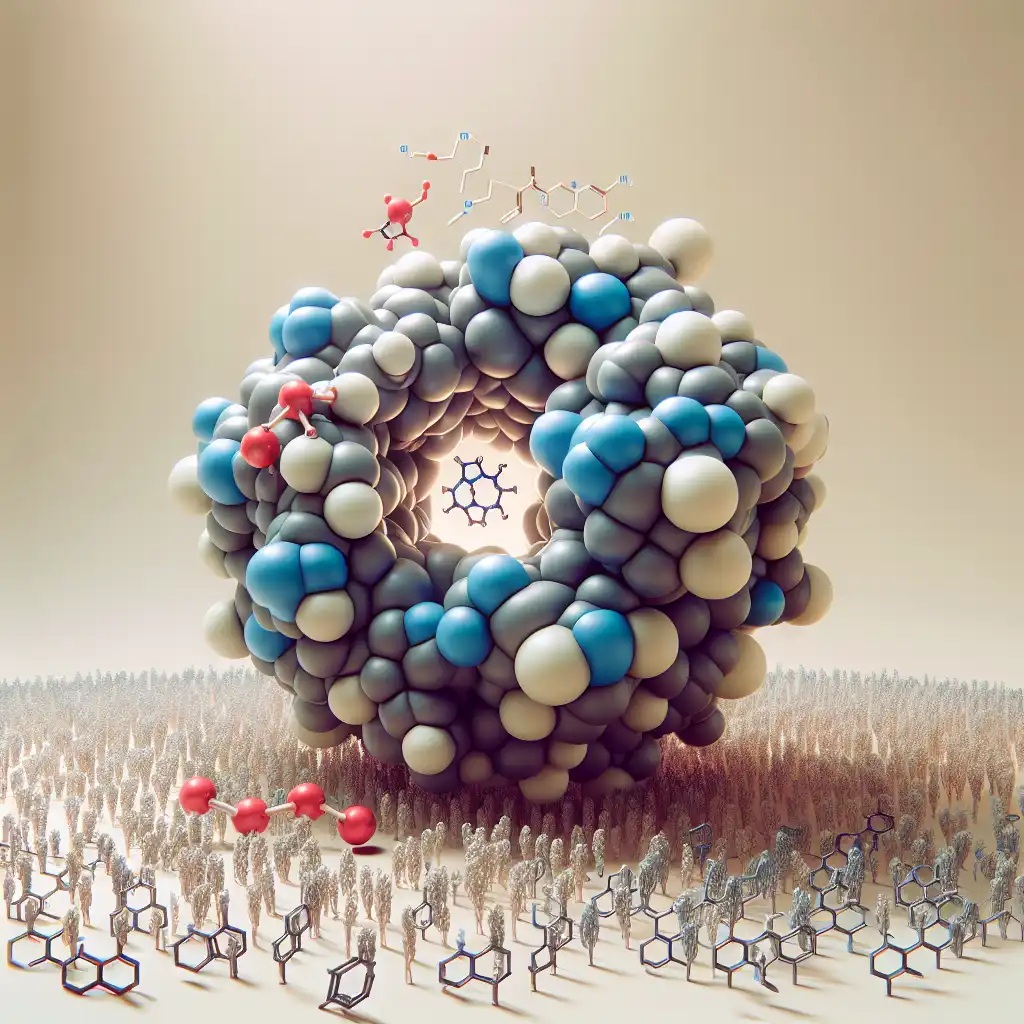
The substance on which an enzyme acts.
The enzyme binds to its substrate and facilitates a chemical reaction.

ˈsʌbstreɪt
The physical layer where electronics are fabricated or mounted.
The semiconductor devices are formed on a silicon substrate.
오디오를 불러오지 못했어요. 잠시 후 다시 시도해 주세요.
The word 'substrate' is often used in the field of science, specifically in chemistry and biology. It refers to the base material or substance that something else grows or is attached to. For example, plants grow in soil, which is the substrate in this case. Similarly, in biology, enzymes act on substrates, meaning they work on specific molecules to carry out processes. In simpler terms, you can think of a substrate as a foundation or base that serves as a support for something else.
Base and substrate are related terms, but they have slightly different meanings in different contexts.
In chemistry, a base is a substance that can accept hydrogen ions (H+) and has a pH greater than 7. Bases are typically used to neutralize acids and balance the pH of a solution.
Base refers to a solution's pH level and its ability to neutralize acids, while substrate refers to a specific molecule that an enzyme acts upon in a biochemical reaction.
단어 열기: Base →Foundation refers to the base or support of a building or structure. It is the solid layer of soil or material on which the building is constructed.
Foundation is used in construction and refers to the base of a building, while substrate is used in biology and refers to the base on which living things are attached or grow.
단어 열기: Foundation →Groundwork refers to the preparation or foundation work that needs to be done before starting a project or task. It includes planning, research and organization necessary to ensure success.
Groundwork could be applicable before building a house or before starting a business.
Groundwork refers to the preparatory work that must be done in order for a task to be successful, while substrate refers to the material or surface that something is built or grown on.
단어 열기: Groundwork →The material refers to any substance that can be used to create or make something. Material is a broader term that describes any kind of substance, including metals, plastics, and fabrics.
A substrate is a specific type of material that is used as the base or foundation for something.
In other words, a substrate is a material that another material is applied to. For example, a piece of wood could be a substrate for a layer of paint or varnish.
Material is a general term for any substance used to create something, whereas substrate is a specific type of material used as a base for other materials.
단어 열기: Material →Medium usually refers to the material that an artwork is created on, like canvas or paper.
Medium is more often used in art or plant growing, while substrate is more often used in science or industrial processes.
단어 열기: Medium →Support refers to something that is used to hold up or give structure to another object. This could be something like a scaffolding used during construction or a frame that holds up a canvas for painting.
In essence, the difference between the two is that substrate refers to the material or surface that is being acted upon, while support refers to the object that is providing structure or stability to something else.
단어 열기: Support →Substrate refers to the material or layer that is below or underneath another layer, while surface refers to the top layer or outermost layer of a material or object.
For example, the substrate of a painting would be the canvas or board that the paint is applied to, while the surface would be the painted layer itself.
Similarly, the substrate of a plant would be the soil or other material that it is rooted in, while the surface would be the leaves and stem that we see aboveground.
The term substrate is used more in technical or scientific contexts, while surface is more commonly used in everyday language.
단어 열기: Surface →What happens when our...
YouTube에서 보기 ↗I think it's important for all culturally literate people to understand the technological substrate of new developments.
Should Primates be Kept...
YouTube에서 보기 ↗Enzymologists usually study the initial rates of reactions measuring product formation as a function of substrate concentration or other variable. Cell biologists are more likely to want to know the effect of a change on the steady state behavior of a complex system.
String theory - Brian...
YouTube에서 보기 ↗According to materialistic science, any memory requires a material substrate, such as the neuronal network in the brain or the DNA molecules of the genes.
Everest Biology - Life...
YouTube에서 보기 ↗How can sculptures save...
YouTube에서 보기 ↗Making sense of string...
YouTube에서 보기 ↗Oil-Eating Bacteria...
YouTube에서 보기 ↗Activation energy:...
YouTube에서 보기 ↗Inside a Retirement Home...
YouTube에서 보기 ↗Finding life we can't...
YouTube에서 보기 ↗