communalism
noun communalism
kəˈmjuːnəlɪzəm
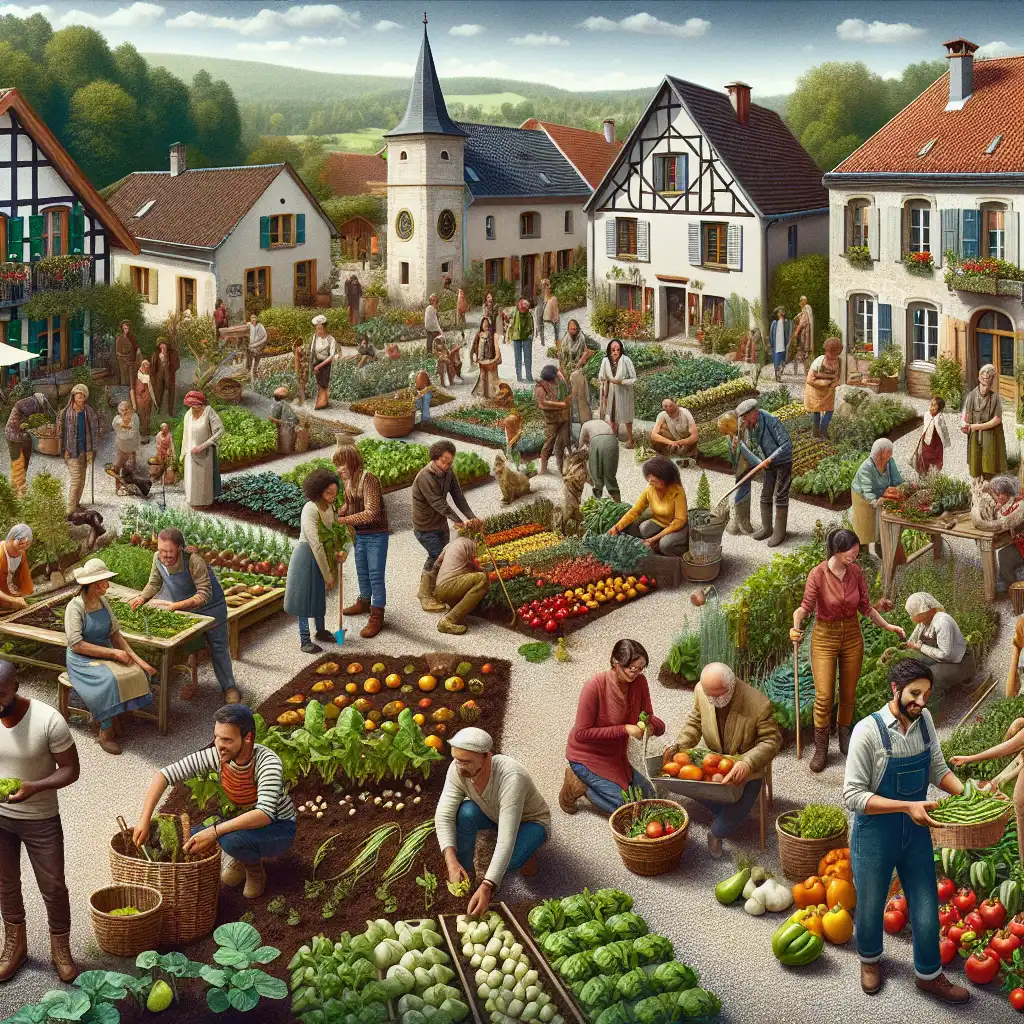
The belief in sharing public and economic policies among a community or group of people.
The village thrives due to their strong sense of communalism.
communalism
kəˈmjuːnəlɪzəm
読み込み中…
kəˈmjuːnəlɪzəm
The belief in sharing public and economic policies among a community or group of people.
The village thrives due to their strong sense of communalism.

kəˈmjuːnəlɪzəm
The principle of promoting the social and political interests of a particular ethnic, religious, or cultural group, often leading to conflict with other groups.
Tensions in the region were heightened by acts of communalism.
音声を読み込めませんでした。しばらくしてからもう一度お試しください。
Communalism is a word that describes the belief that people should work together and share resources for the good of the community. It can refer to a way of living where people share living spaces and work together to provide food, shelter, and other necessities. Communalism can also refer to the idea of different communities coming together to work towards a common goal, such as improving their neighborhoods or advocating for social justice. It is important to note that communalism is not the same as communism, which is a political ideology emphasizing the elimination of private ownership of property and resources.
Chauvinism is the belief that your own gender, race, or nation is superior to others, often leading to prejudice and discrimination.
This attitude can be harmful and offensive to those who do not share the same beliefs. Chauvinism is applicable in situations where people are discriminated against based on their identity.
単語を開く: Chauvinism →Discrimination refers to treating people differently based on their race, gender, religion, or other personal characteristics.
Communalism is about promoting one's community while discrimination is about unfairly treating people based on who they are.
単語を開く: Discriminate →Jingoism refers to extreme patriotism and aggressive foreign policy. It often involves displaying an excessive or bellicose attitude towards other countries or people who are perceived as a threat.
Jingoism is applicable in situations where a country or government is involved in international relations and there is a push for nationalistic policies.
単語を開く: Jingoism →Nationalism is a feeling of loyalty and pride towards one's own country and its people. It emphasizes unity and shared values among citizens rather than differences based on religion, ethnicity, or language.
It can lead to conflict and tension between different groups within a society. Nationalism is applicable in situations where people come together under a common identity as citizens of a particular country.
単語を開く: Nationalism →Partisanship refers to a strong commitment to a particular political party or ideology. This can lead to a bias towards one group or viewpoint and a disregard for opposing perspectives.
Both communalism and partisanship can be detrimental to a functioning society.
Communalism can lead to division and conflict, while partisanship can lead to polarization and an inability to compromise.
単語を開く: Partisanship →Racism refers to the belief that one race is superior to another and the discrimination based on this belief.
Both communalism and racism are harmful and lead to discrimination and conflict between different groups of people.
However, communalism is usually associated with religious or ethnic conflicts, while racism is directed towards different races.
単語を開く: Racism →Sectarianism refers to excessive attachment to a particular sect or group, often related to religion or politics. It involves dividing people based on differences within the same community and is characterized by intolerance towards other perspectives or beliefs.
Sectarianism is often seen in contexts where there are deep divisions within a community or political organization.
Communalism refers to conflict between different communities, while sectarianism refers to conflict within a community.
単語を開く: Sectarian →Tribalism refers to the loyalty and adherence to a particular tribe, often based on common ancestry, history, or culture.
Tribalism can also lead to a sense of belonging and identity, but can contribute to conflict and divisiveness between different tribes.
Tribalism is applicable in situations where people identify strongly with their ancestral group, whether in a historical or contemporary context.
In brief, communalism emphasizes community identity over individual identity, and tribalism emphasizes loyalty to a particular tribe or ancestral group.
単語を開く: Tribal →I think that communalism is the cancer of our society, and if we have to protect the humanity and the unity and integrity of this country, then we will have to fight the communal forces.
The ethic of liberal individualism has so deeply permeated the psyches of blacks... of all classes that we have little support for a political ethic of communalism that promotes the sharing of resources.
The Congress has never taken a firm stand against communalism.
Without a policy restricting immigration, it becomes difficult, if not impossible, to fight against communalism and the rise of ways of life at odds with laicite - France's distinctive form of secularism - and other laws and values of the French Republic.
If anything, I believe, television anchors have become parodies of themselves, self-caricatures if such a thing is possible. And I'd dismiss it all with a scornful laugh if broadcast news were not so dangerous in fanning misogyny, communalism, fake news and divisiveness.
Even after Independence, we have had to face the poison of casteism and communalism. How long these evils will continue? Whom does it benefit?
When people unfortunately use religion to facilitate their envy, arrogance and hate, communalism surfaces.
You shall have to be able to oppose communalism, only then can you say you are secular. Many political parties which claim to be secular show their weakness when it comes to the fight against communalism.
I was not with BJP's communalism agenda.