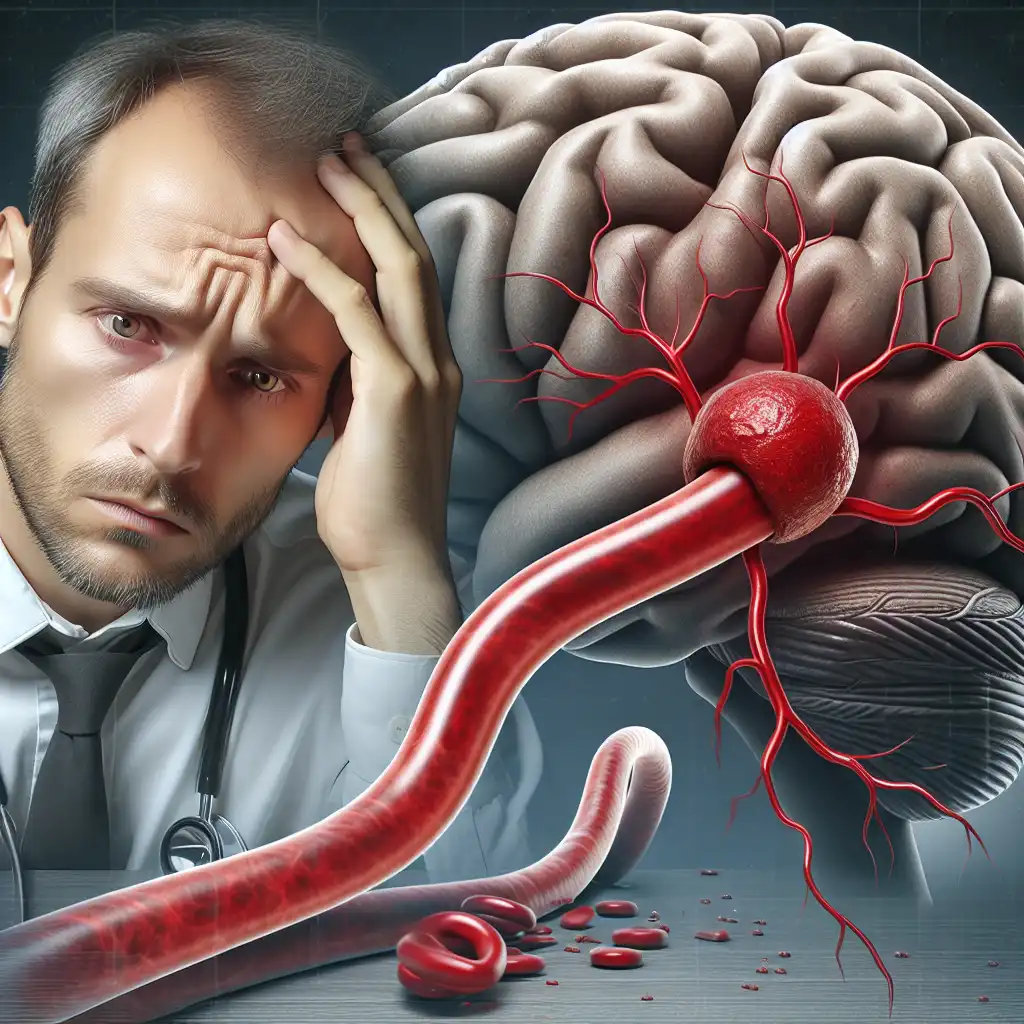
An embolism is a medical term used to describe when a clot or other object gets stuck in a blood vessel and blocks the flow of blood. This can cause serious health problems, including heart attacks or strokes. It is important for doctors to be able to identify and treat embolisms quickly to prevent further damage.
Blockage refers to something that is blocking or clogging a passage or duct. For example, a blockage in an artery can lead to a heart attack.
Embolism refers specifically to a blockage caused by a foreign object, such as a blood clot or air bubble, that has traveled through the bloodstream and lodged in a vessel.
Blockage is a broad term that can refer to any obstruction, while embolism is a specific type of blockage caused by a foreign object.
Clot and embolism are both related to blood vessels, but they are different in their meanings.
A clot is a thickened mass of blood that forms when the body is trying to stop bleeding.
It usually forms at the site of an injury, like a cut or wound. An embolism is a clot that travels through the bloodstream and gets lodged in a smaller blood vessel, causing a blockage.
The clot can come from anywhere in the body and travel to different parts, affecting the blood flow and potentially causing damage to the organs.
A clot is a localized blockage, while an embolism is a more serious condition where the blockage can occur in different parts of the body.
A clot is applicable in cases of injury or bleeding, while an embolism is applicable when there is a risk of a clot breaking off and causing blockages in other parts of the body.
Coagulate means to form into a clot or solid mass, usually referring to blood. It is the process of blood changing from a liquid to a solid state, which helps stop bleeding.
In simpler terms, coagulate is the process of blood clotting, while embolism is the result of a clot that blocks blood vessels.
Coagulate is applicable in medical treatments such as stopping bleeding during surgery, while embolism is a medical emergency that requires immediate attention to prevent organ damage or death.
An impediment refers to anything that hinders progress or movement, often in a more general sense, and it can refer to physical, emotional, or intellectual barriers.
For example, a language impediment may hinder communication skills.
An embolism is a medical term specifically related to blood flow, while an impediment can refer to any type of obstacle.
Embollism and infarction are both medical terms that involve blockages in blood vessels.
An infarction occurs when a blockage in a blood vessel causes tissue to die due to lack of oxygen and nutrients. This can result from an embolism, but can also occur from other causes such as atherosclerosis (the build-up of plaque in arteries).
Infarctions can also occur in any part of the body, but are commonly associated with the heart (as in a heart attack) and the brain (as in a stroke).
In summary, embolisms are blockages caused by foreign material that travels through the bloodstream and gets stuck, while infarctions are caused by blockages that result in tissue death due to lack of blood flow.
Both embolism and thrombosis refer to different types of blockages in the blood vessels.
Thrombosis occurs when a blood clot forms inside a blood vessel and obstructs the flow of blood. This typically occurs in veins and can lead to conditions such as deep vein thrombosis (DVT) or blood clots in the lungs (pulmonary embolism).
Thrombosis is when a blood clot forms within a blood vessel, while embolism is when a foreign substance blocks a blood vessel after traveling through the bloodstream.
In 1987, I was in Edinburgh doing my first one-man show. I took part in a kickabout with some fellow comedians and tripped over my trousers and heard this cracking sound in my leg. A couple of days later I went into a coma and was diagnosed with a pulmonary embolism.