
patrimony
noun patrimony
ˈpætrɪməʊni
Property or assets inherited from one's father or ancestors.
The mansion that Moses lives in is a patrimony from his great grandfather.
patrimony
ˈpætrɪməʊni
लोड हो रहा है…
ˈpætrɪməʊni
Property or assets inherited from one's father or ancestors.
The mansion that Moses lives in is a patrimony from his great grandfather.
ˈpætrɪməʊni
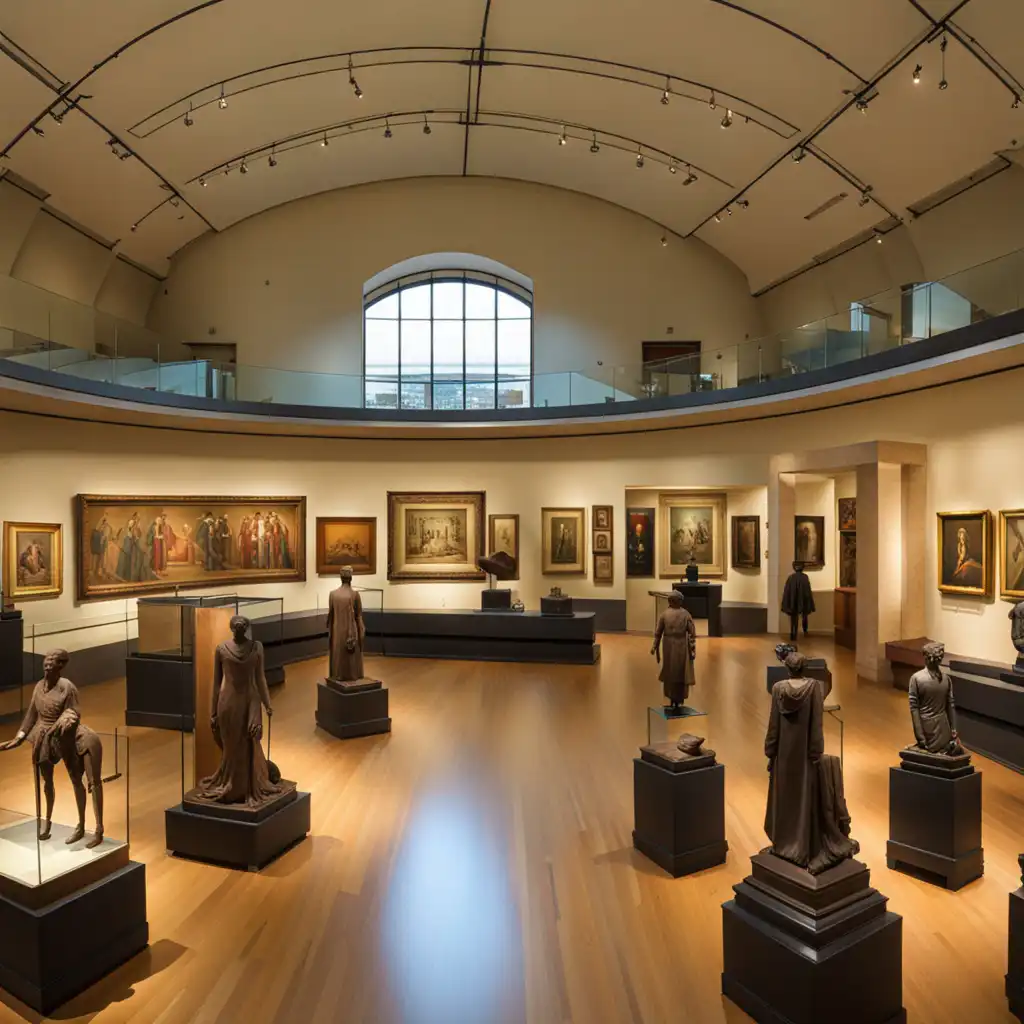
The things that are part of the culture and history of a particular society, country, etc.
The museum was designed to protect the cultural patrimony of the country.
ˈpætrɪməʊni
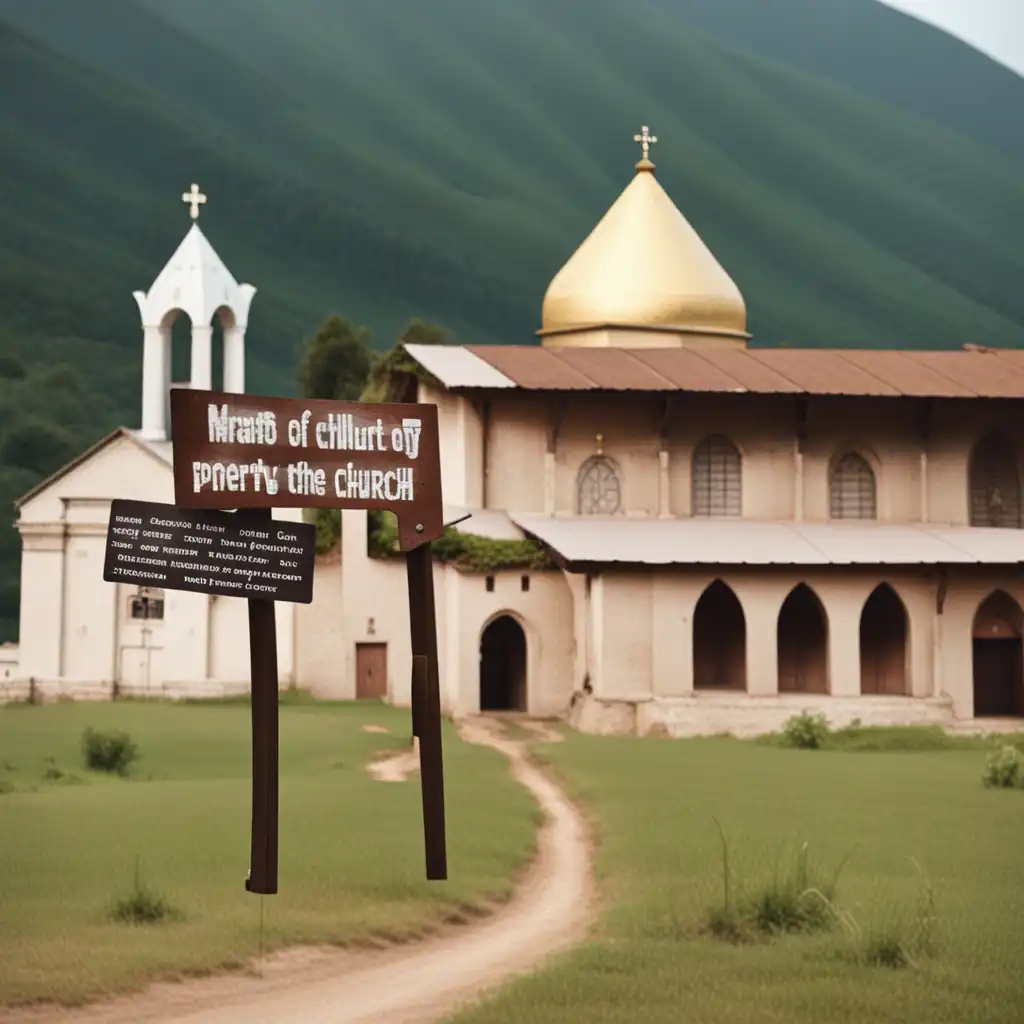
Property or title owned by the church or a religious community.
The old monastery is a part of the patrimony of the local church community.
ऑडियो लोड नहीं हो सका। कृपया बाद में फिर कोशिश करें।
The word 'patrimony' refers to something inherited from one's father or ancestors. It can be used to refer to cultural heritage, traditions, or family possessions that have been passed down from previous generations. For example, a family heirloom that has been handed down for generations can be considered a part of someone's patrimony. It can also refer to the shared cultural heritage of a community or country. For instance, monuments, art, and buildings that are considered national treasures are also considered as part of the patrimony of the country.
An ancestor is a family member from the past, like your grandparents or great-grandparents. Ancestors are people who are related to you and are from your family history.
Patrimony refers to inheritance or legacy passed down by one's ancestors or forefathers. This can include things like property, traditions, customs or cultural practices.
In simple terms, ancestors are people who are part of your family tree, and patrimony refers to the things that they passed down to you through the family lineage.
शब्द खोलें: Ancestor →Bequest refers to the act of leaving something, usually property or money, to someone in a will. It is applicable when a person wants to pass on their possessions to someone after their death.
To summarize, bequest is used when talking about leaving possessions to someone in a will, while patrimony is used when discussing the cultural and natural heritage of a region or country.
शब्द खोलें: Bequest →Birthright and patrimony are both terms used to describe inheritance or something that is passed down through generations.
Birthright refers to something that is received by someone as a result of being born into a particular family or group.
It is a right or privilege that is granted automatically, without the need for any special actions or qualifications. For example, a person's birthright may be citizenship of a certain country or membership in a particular religious community.
Overall, while both birthright and patrimony involve inheritance or something passed down through generations, birthright is generally broader and refers to any automatic right or privilege that comes from being born into a particular family or group, while patrimony specifically involves inheritance from a person's father or male ancestors.
शब्द खोलें: Birthright →Estate and patrimony are similar in meaning but have some slight differences.
Estate typically refers to all of a person's assets or property at the time of their death, including land, houses, investments, and possessions.
Estate refers to someone's assets or property, while patrimony is a broader term that can encompass inherited wealth and cultural heritage.
Estate is more commonly used in legal or financial contexts, while patrimony is more often used in cultural or historical contexts.
शब्द खोलें: Estate →Heirloom refers to a valuable object that has been passed down from generation to generation within a family.
It is usually something meaningful or sentimental, such as a piece of jewelry or furniture. Heirlooms are important because they connect us to our family's history and heritage.
An heirloom is a sentimental object passed down within a family, while patrimony refers to inherited wealth or possessions.
शब्द खोलें: Heirloom →Heritage refers to the cultural and historical traditions, values, and beliefs of a particular society or community.
It can include things like language, customs, architecture, art, and music. Heritage is a broader term that encompasses all aspects of a culture that are passed down from generation to generation.
In modern usage, the term heritage is often used to refer to both cultural and material aspects of a society's history, while patrimony is used more narrowly to refer to material possessions that hold cultural or historical significance.
शब्द खोलें: Heritage →Inheritance is the property, money, or valuables that someone receives from a deceased person, normally through a will or legal process.
Inheritance is about receiving property, money or valuables from a deceased person, while patrimony is about preserving the cultural and historical assets of a country, region or family.
शब्द खोलें: Inheritance →Legacy refers to something that is inherited or passed down from one generation to another, usually in the context of property or wealth.
In simpler terms, legacy refers to something that is inherited or left behind by someone, while patrimony specifically refers to the cultural or historical inheritance that is passed down through generations.
शब्द खोलें: Legacy →Tradition refers to customs, beliefs or practices that are passed down from generation to generation within a culture or community.
So, while patrimony is more focused on a personal or individual inheritance, tradition is more focused on cultural or community inheritance.
शब्द खोलें: Tradition →Let's scan the whole...
YouTube पर देखें ↗Grant me the treasure of sublime poverty: permit the distinctive sign of our order to be that it does not possess anything of its own beneath the sun, for the glory of your name, and that it have no other patrimony than begging.
Every Day in Tuscany %\PIPE%...
YouTube पर देखें ↗Brazil has one of the greatest natural patrimonies in terms of biodiversity.
Time the great destroyer of other men's happiness, only enlarges the patrimony of literature to its possessor.
Urbanites may picture farmers as hip heritage-pig breeders returning to the land, or a struggling rural underclass waging a doomed battle to hang on to their patrimony as agribusiness moves in. But these stereotypes are misleading.
I have even begun to think that I am caring for Argentina and Chile perhaps more than Argentines and Chileans. I feel like I'm sort of a de facto citizen, because I am looking after their national patrimony - which is the land - very carefully.
The attitude of the West and of Russia towards a crisis like Ukraine is diametrically different. The West is trying to establish the legality of any established border. For Russia, Ukraine is part of the Russian patrimony.
American poetry is this country's greatest patrimony. It takes a stranger to see some things clearly. This is one of them, and I am that stranger.