
retraction
noun retraction
rɪˈtrækʃn
The act of taking back or withdrawing something, such as a statement or offer
The celebrity made a retraction of his previous comments about the movie.
retraction
rɪˈtrækʃn
Cargando…
rɪˈtrækʃn
The act of taking back or withdrawing something, such as a statement or offer
The celebrity made a retraction of his previous comments about the movie.

rɪˈtrækʃn
The process of pulling or drawing back, usually as a response to fear or danger
The smell of the predator caused a retraction in the small animal.
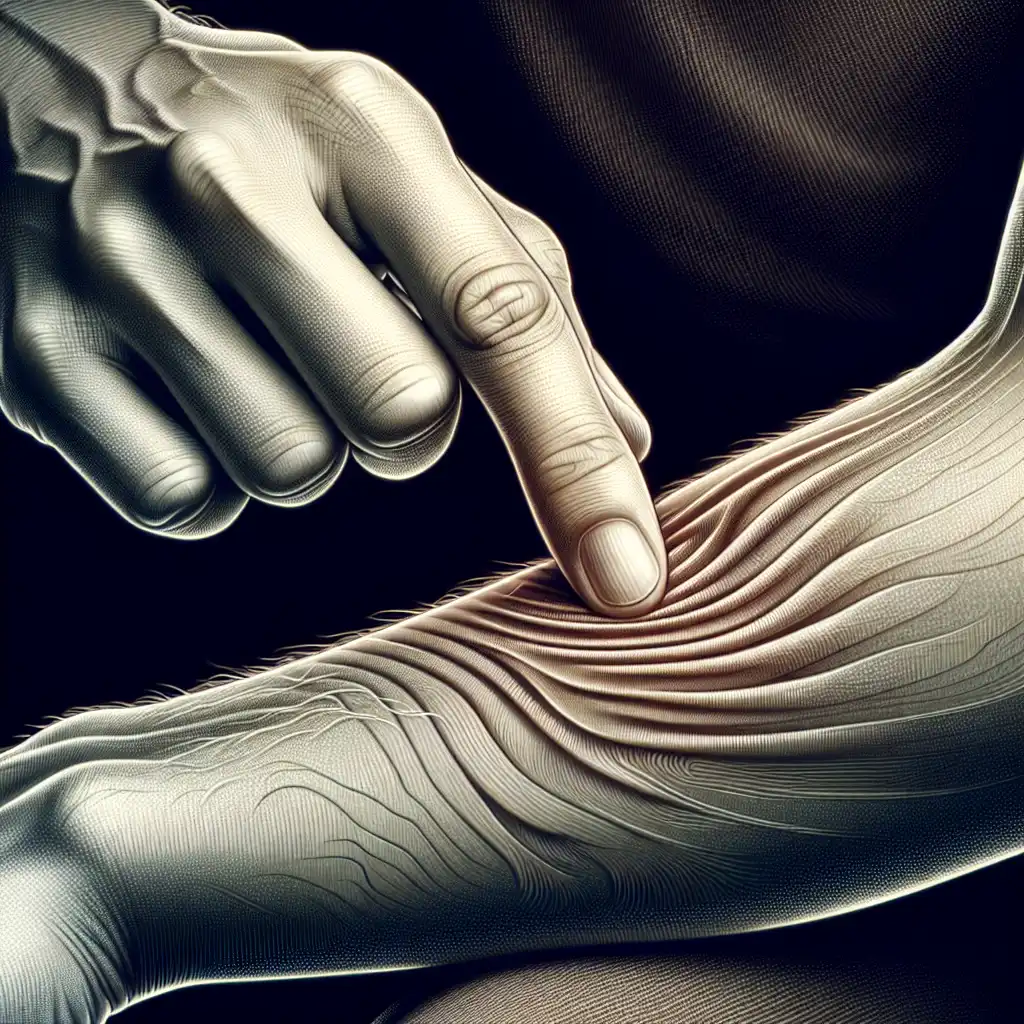
rɪˈtrækʃn
The process of moving part of the body inward or backward
Retraction of the skin can be a symptom of certain medical conditions.

rɪˈtrækʃn
The act of correcting a mistake in a news story or article
The newspaper had to issue a retraction of their previous headline due to a factual error.
No se pudo cargar el audio. Inténtalo de nuevo más tarde.
The word "retraction" typically means to take back or withdraw something that was previously stated or done. For example, if someone says something untrue about another person, they may later retract their statement by admitting it was false. In a medical context, a retraction might refer to the pulling in of the chest muscles during breathing difficulties. Overall, retraction is a formal way to describe someone undoing or correcting a statement or action they made earlier.
Denial means not accepting or rejecting something that is true or factual. It's when someone refuses to believe or acknowledge something, even when it's been proven or shown to be true.
Denial is applicable when someone is refusing to acknowledge or accept the truth, while retraction is applicable when someone is admitting that they made a mistake or said something untrue.
Abrir palabra: Denial →Disavow means to deny all responsibility for something. For example, if someone says or does something embarrassing or harmful on behalf of a person or organization, that person or organization might disavow the action to distance themselves from it.
To summarize, disavow is used when denying responsibility for something, while retraction is used when taking back a previous statement or claim.
Abrir palabra: Disavow →Recall is used when a company or organization pulls back a product that is defective or could cause harm to people.
Recall is used when a product is taken off the market for safety reasons, while retraction is used when someone takes back something they said or wrote because it was wrong or false.
Abrir palabra: Recall →Recant means to publicly take back or withdraw a statement or belief that one previously held. This is usually done because one realizes that the statement or belief is untrue or incorrect.
Recant is used when someone changes their personal belief or opinion, while retraction is used when someone admits that what they said was wrong.
Abrir palabra: Recant →Renunciation means to give up or resign from something, especially a belief or a claim. This can relate to a person or an organization letting go of something they previously held dear or important.
Renunciation is giving up something while retraction is taking something back. Renunciation is applicable when you want to let go of something you previously held onto, while retraction is applicable when you want to correct a mistake you have made with a statement or a claim.
Abrir palabra: Renunciation →Repudiate means to completely reject or disown something, usually a belief, idea or statement.
Repudiate means to reject something, while retraction means to take back something that has been said. Repudiation is applicable in situations where one wants to distance themselves from a belief or idea, while retraction is applicable in situations where one needs to correct a mistake or clarify false information.
Abrir palabra: Repudiate →Revocation refers to the act of cancelling or invalidating something that was previously approved or granted. This could apply to a license, a contract, or a legal decision.
Essentially, revocation is meant to undo something that was previously granted or approved, often due to a breach of terms or changes in circumstances.
Overall, while both words involve undoing something that was previously established, retraction involves correcting a mistake or falsehood, while revocation involves cancelling or invalidating a previous decision or approval.
Abrir palabra: Revocation →Retraction and withdrawal both mean to take back something that has been said or done, but they are used in different contexts.
Withdrawal is commonly used in the context of removing oneself or something from a situation. For example, a company may withdraw a product from the market if it is found to be unsafe or defective.
Retraction is used to correct false information, while withdrawal is used to remove oneself or something from a situation.
Abrir palabra: Withdrawal →3 ways we can redesign...
Ver en YouTube ↗Since news breaks on digg very quickly, we face the same issues as newspapers which print a retraction for a story that was misreported. The difference with digg is that equal play can be given to both sides of a story, whereas with a newspaper, a retraction or correction is usually buried.
Lale Labuko: Rescuing...
Ver en YouTube ↗Accuracy to a newspaper is what virtue is to a lady; but a newspaper can always print a retraction.
Accuracy is to a newspaper what virtue is to a lady, but a newspaper can always print a retraction.