
effete
adjective effete
ɪˈfiːt
Weak, having lost character, vitality, or strength
His effete mannerisms annoyed the more masculine men in the group.
effete
ɪˈfiːt
Chargement…
ɪˈfiːt
Weak, having lost character, vitality, or strength
His effete mannerisms annoyed the more masculine men in the group.

ɪˈfiːt
Lacking in wholesome vigor or energy
He regarded their fashion-obsessed culture as effete.
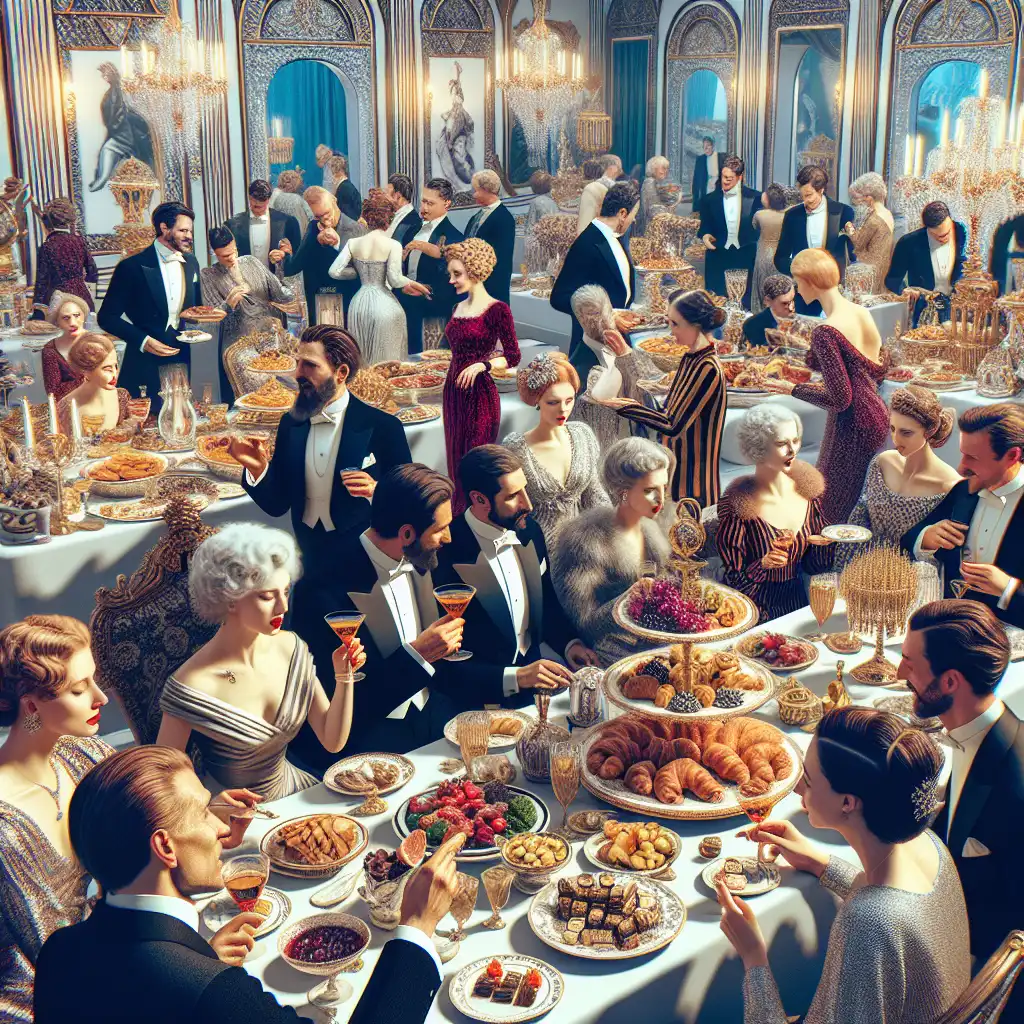
ɪˈfiːt
Marked by self-indulgence, triviality, or decadence
The effete pleasures of celebrity parties weren’t for him.
Impossible de charger l’audio. Réessayez plus tard.
The word 'effete' is used to describe something that is weak or lacking in vitality, usually due to overindulgence or decadence. It can be used to describe a person, a group of people, or an idea or system. For example, you could say that a wealthy society is becoming effete because its members are becoming too comfortable and lazy, or that an old political system is effete because it is not able to respond to the needs of the people anymore. However, it is important to note that 'effete' is not a word that is commonly used in everyday conversation, and may be considered somewhat formal or old-fashioned.
The words archaic and effete are both used to describe things that are old or outdated, but they have slightly different meanings.
Archaic generally refers to something that is very old and no longer in use. For example, an archaic word might be one that was commonly used centuries ago but is no longer used in modern language.
Similarly, an archaic practice might be one that was once common but is now considered outdated or obsolete.
In general, we might use archaic to describe things that are simply old-fashioned or out of date, while effete is typically used to describe things that have lost their power or effectiveness.
Ouvrir le mot: Archaic →Decadent and effete are both words used to describe something that is lacking in strength or vitality.
However, decadent typically refers to a decline or decay of morals, values, or customs while effete refers to someone or something that is weak or exhausted, often due to overindulgence or a lack of exercise.
For example, a person who is seen as decadent may be someone who is overly focused on pleasure and indulgence, while a person who is effete may be someone who is physically weak due to a lack of exercise.
Generally speaking, the word decadent is more commonly used in the context of societal or cultural decline while effete is used more commonly to describe physical or personal weakness.
Ouvrir le mot: Decadent →Decline refers to a gradual decrease or deterioration in something over time, like the decline of a civilization or the decline in a person's health.
Decline refers to something slowly getting worse over time, while effete suggests something that is weak or ineffective due to a lack of proper maintenance or care.
Ouvrir le mot: Decline →Effete means weak or exhausted, often as a result of overindulgence or lack of vigor.
Exhaust means to use up or deplete completely, often referring to resources or energy.
It is used when something has been used to the point of depletion or when all options have been exhausted. For example, one could say "the athlete was completely exhausted after running the marathon.".
Effete describes a state of weakness or lack of effectiveness, while exhaust describes a state of depletion or using something up completely.
Ouvrir le mot: Exhaust →Effete means weak and lacking strength due to overuse, while the word impotent refers to the inability to perform a certain task or function.
Effete is mostly used to describe a person, organization or process that has become weak and ineffective due to excessive use or neglect, while impotent describes a situation where one is unable to achieve a desired outcome despite having the ability to do so.
For example, a worn-out machine that no longer functions properly can be described as effete, while a person who is unable to lift a heavy weight despite their physical strength and ability can be described as impotent.
Effete refers to a state of decay, while impotent refers to a lack of ability.
Ouvrir le mot: Impotent →Effete means lacking in strength or vitality due to overuse or decadence, while ineffectual means not producing any significant or desired effect.
Ineffectual can be applicable to someone or something that is unable to accomplish a desired goal or task. For example, an ineffectual leader may be unable to make decisions that benefit their organization, while an ineffectual medication may fail to produce the desired health benefits for patients.
Effete describes a state of weakened vitality or productivity, while ineffectual describes a lack of success in achieving a desired result.
Ouvrir le mot: Ineffectual →Infertile means unable to produce offspring or produce crops.
Effete refers to something that is weak or decadent, while infertile refers to something that cannot produce offspring or crops.
Ouvrir le mot: Infertile →Effete usually means someone who is weak, feeble, and lacking in energy or vitality because they are too refined or decadent.
It is often used to describe someone who is excessively concerned with fashion, luxury, or aesthetics to the point of being weak and ineffective.
Weak simply means lacking physical strength, energy, or power.
Effete has a connotation of being weak because of a lack of character or strength of will, while weak refers more to physical limitations.
Ouvrir le mot: Weak →People collect boredom, they hoard it, they wallow in it, hoping that one day it'll be of interest and become an effete ennui. Let me tell you, it doesn't.
An idealist is ahead of his time only in the sense that he is articulate. The same is true of a nation. For even primitive people, even effete races have a message for those above or below them. The heritage of the Ideal, however small can not be exhausted.