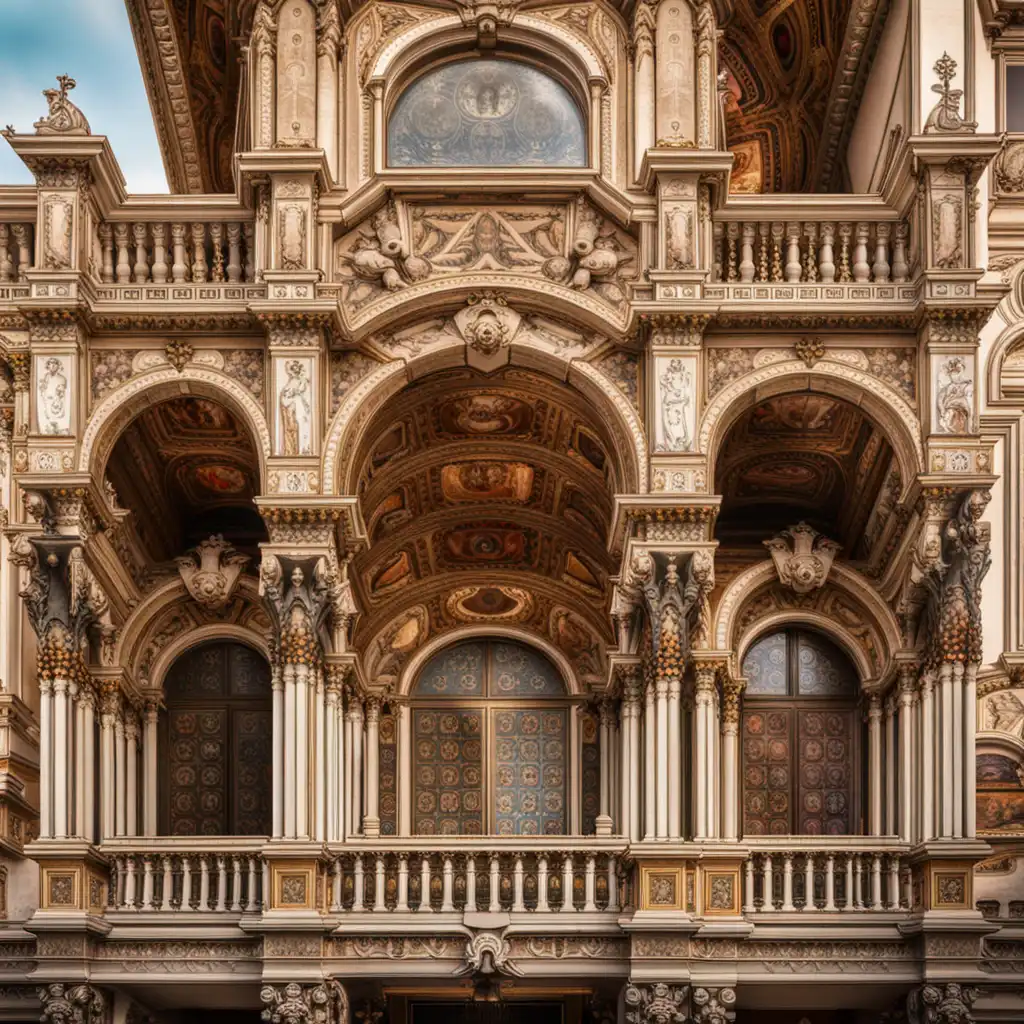
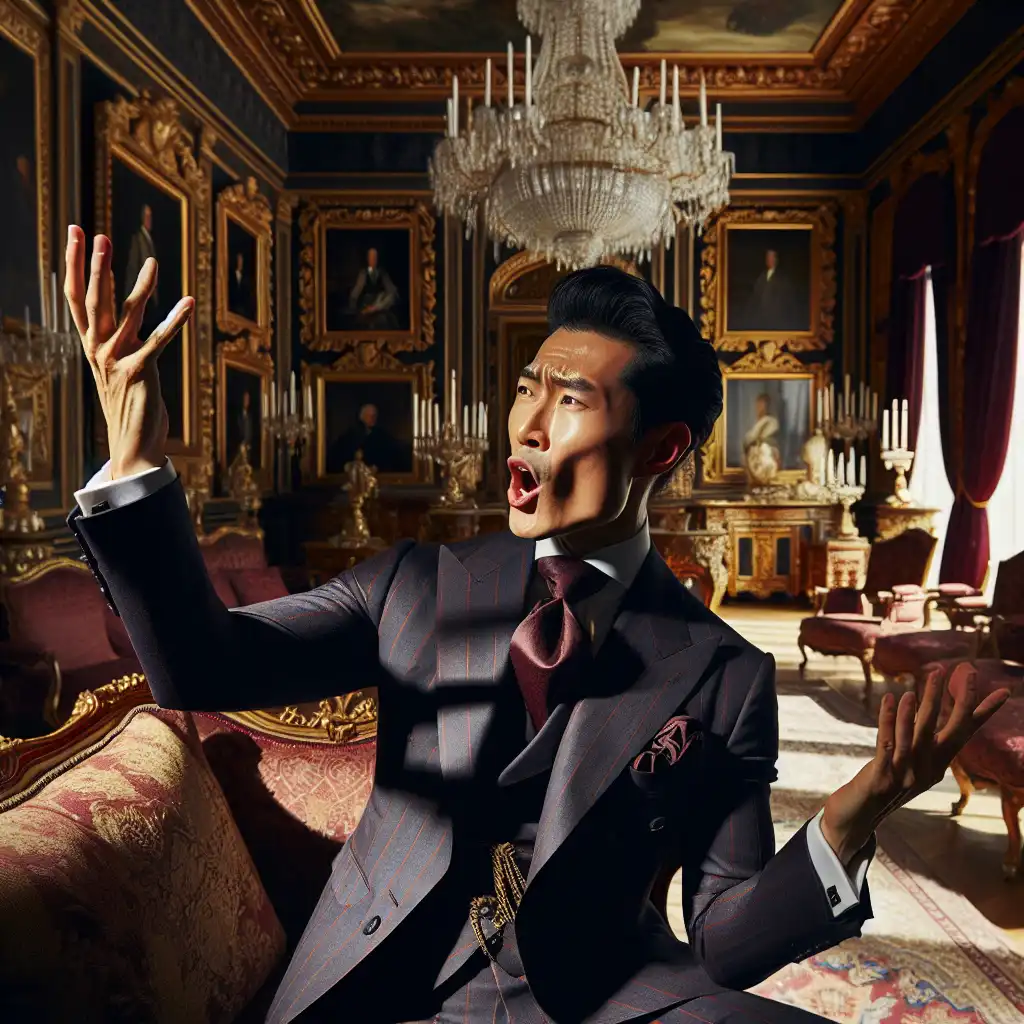
The word 'mannerist' refers to a style of art or architecture that is highly decorative and exaggerated. It can also refer to someone who has an unnatural or self-conscious way of behaving or speaking. You might use this word when describing a building or artwork that has a lot of intricate details and ornate decorations, or to describe someone who is overly theatrical or affected in their mannerisms.
Affect relates to the way someone's emotions or behavior can influence or impact others. For example, if someone is in a bad mood, it can affect the people around them by making them feel upset or uneasy.
Affect relates to how emotions or behavior can impact others, while mannerist refers to a distinctive or exaggerated style or movement.
Baroque and Mannerist are both styles of art that emerged during the Renaissance in Europe.
Baroque is more focused on dramatic use of light and shade, theatricality, and emotional intensity. Mannerism is often seen as more artificial and exaggerated, while Baroque is more naturalistic and realistic.
Mannerist refers to a style that emerged in the mid-16th century, while Baroque emerged in the early 17th century. Both styles are applicable in different forms of art such as painting, sculpture, and architecture.
Exaggerate means to stretch the truth to make something seem more important or dramatic than it actually is.
Mannerist refers to a particular style of art or architecture that was popular during the 16th century in Europe. It is characterized by exaggerated figures and exaggerated proportions.
Exaggerate is applicable when someone is exaggerating the truth, while mannerist is applicable in the context of art or architecture from a certain period in history.
Flamboyant implies a showy and extravagant style or behavior that is meant to attract attention.
Flamboyant refers to a flashy and attention-grabbing style, while mannerist typically refers to a distinctive and often exaggerated technique or approach.
Ornate refers to something that is highly decorated or embellished with ornamental details, such as intricate patterns, carvings, or moldings.
Mannerist refers to a specific artistic style, while ornate describes any object or design that is highly decorated. Mannerist is applicable to the arts, while ornate can be applied to any object or design that has been elaborately decorated.
Mannerist refers to someone who has a distinctive and unique way of doing things, while pretentious refers to someone who tries to appear more important or sophisticated than they actually are.
Mannerist behavior can be appreciated in art, music or literature, whereas pretentious behavior is often frowned upon in social situations.
Essentially, being mannerist means having a personal style or approach that distinguishes oneself, while being pretentious means putting on airs or acting as if one is more important or skilled than they actually are.
"Mannerism" refers to a highly stylized art style that originated in the 16th century. It features exaggerated poses and expressions, elongated figures, and distorted proportions.
Stylized, on the other hand, refers to something that has a distinct and recognizable style, regardless of whether it is realistic or not.
Mannerist specifically refers to a certain style of art that is highly stylized, while stylized is a broader term that can refer to any style of art that has a unique and recognizable look.