weakling
noun weakling
ˈwiːklɪŋ
A person who is not strong, physically or emotionally.
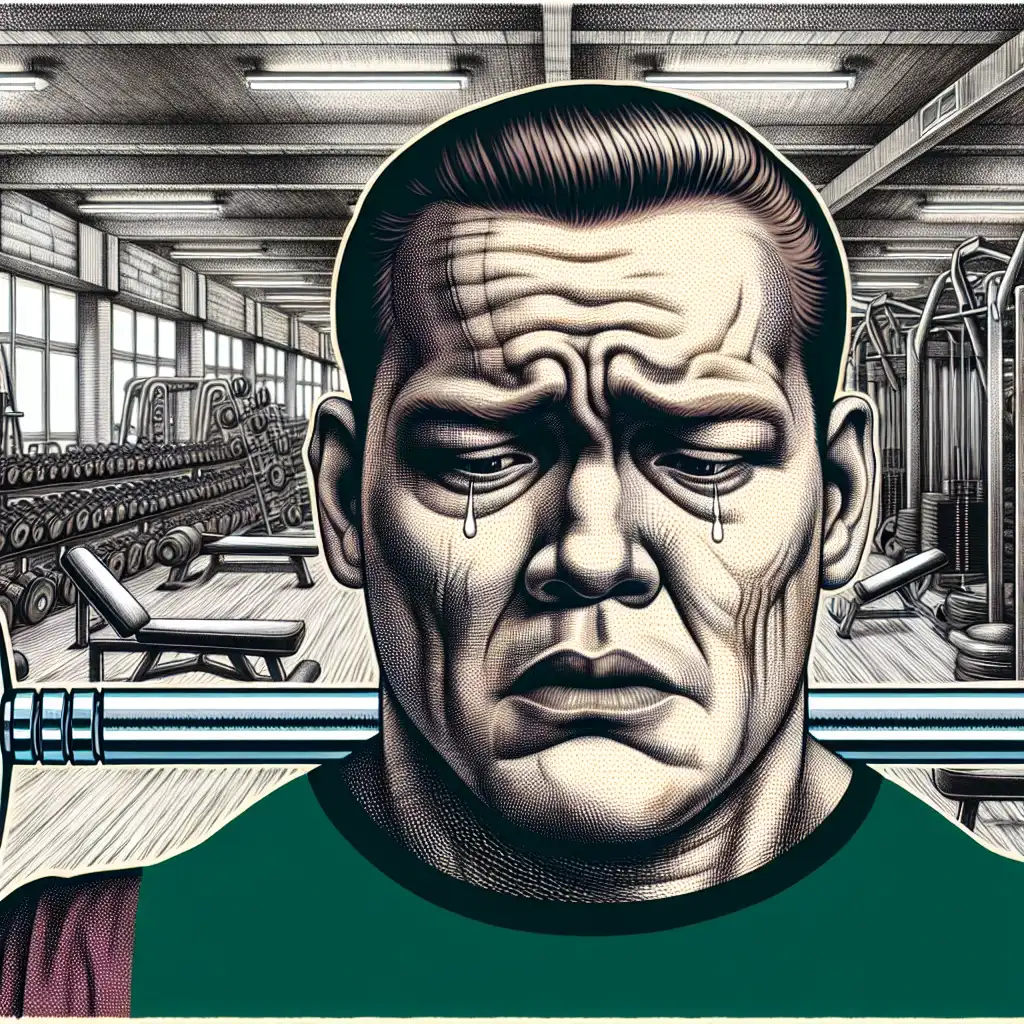
Despite his size, he was a weakling and couldn't lift the weight.
weakling
ˈwiːklɪŋ
Cargando…
ˈwiːklɪŋ
A person who is not strong, physically or emotionally.
Despite his size, he was a weakling and couldn't lift the weight.

ˈwiːklɪŋ
A thing that is considered frail or ineffective compared to others of its kind.
Compared to its competitors, the product was a weakling in the market.
No se pudo cargar el audio. Inténtalo de nuevo más tarde.
The word 'weakling' is used to describe someone who is physically or mentally weak or lacks courage. However, it may come across as offensive or insulting if used to address someone directly. It is acceptable to use the word in contexts such as discussing characters in literature, movies or in a general sense to describe someone's abilities. But it is best to avoid using it to describe someone's personality or as an insult towards them.
Coward means someone who lacks courage or bravery in the face of danger or difficulty.
A coward lacks bravery while a weakling lacks strength.
Abrir palabra: Coward →Both feeble and weakling refer to a lack of physical or mental strength.
However, feeble is a gentler term that describes someone or something as frail, delicate, or lacking in vigor.
In short, while feeble is a general term that can describe weakness in various contexts, weakling is a harsher term that is used more specifically to describe a person who is weak and lacks effort or determination to improve.
Abrir palabra: Feeble →Frail means physically delicate and weak, often due to old age or illness.
Frail describes physical fragility, while weakling is more often used to insult someone's perceived lack of strength or ability.
Abrir palabra: Frail →Infirm refers to someone who is physically or mentally weak or feeble, often due to old age or illness.
Infirm is a more respectful and compassionate term, while weakling is more aggressive and insulting. Infirm might be used to describe an elderly person who is bedridden due to illness, while weakling might be used to insult someone who is physically or emotionally fragile.
Abrir palabra: Infirm →Meek refers to someone who is humble, gentle, and patient, but also possessing strength of character and self-control.
Meekness is applicable in situations where one needs a calm and peaceful response, while a weakling is applicable when the person is perceived as being weak or timid, and needing to be more assertive.
Abrir palabra: Meek →Puny refers to someone or something that is small and weak. It often implies that the thing in question was weak to begin with, as opposed to becoming weak over time.
For example, one could describe a small and frail animal as 'puny.'
Weakling typically refers to a person or animal that is physically weak or has a low level of strength or stamina. Unlike puny, weakling focuses on a lack of strength, rather than solely on size.
Abrir palabra: Puny →Timid refers to someone who is shy or lacks confidence in certain situations. They may feel nervous or scared of doing something new or speaking up for themselves.
In simpler terms, timid describes someone's personality, while weakling is more about physical strength.
Abrir palabra: Timid →Wimp is often used as an insult to describe someone who is seen as weak, cowardly, or lacking in toughness or determination.
Weakling tends to be used more in situations that involve physical strength or toughness, while wimp can be used in a broader sense to describe someone who lacks confidence, assertiveness, or resilience.
Abrir palabra: Wimp →and the sun began to move through the sky at last, ushering in the fifth age. Thanks to a pimply weakling whose fortitude inspired all the other gods, the sun moves along its daily path, the rabbit-faced moon following in its wake.
Ver en YouTube ↗I hate being skinny and being a little weakling thing.
I wasn't a 97-pound weakling. I was an 80-pound weakling.
You see, in a family everyone is not alike, someone may be a weakling. Now, as head of the family, it is natural for you to focus greater attention on the weaker member so that he can be brought at par with the others, isn't it? But that does not mean I am sidelining the others.
The only reason I would stay away from a period piece is because sometimes the women are painted in a very stereotypical weakling, wallflower way - that's something I don't want to do. I want to show strength in the women I play, and a journey of some sort.
Casting Captain America is really casting two roles... Steve Rogers before and after the transformation from 98 pound weakling to perfect physical specimen. I can't divulge how we're going to do it, but the performance will be Chris Evans from beginning to end.