coral
nouns coral
ˈkɔːrəl
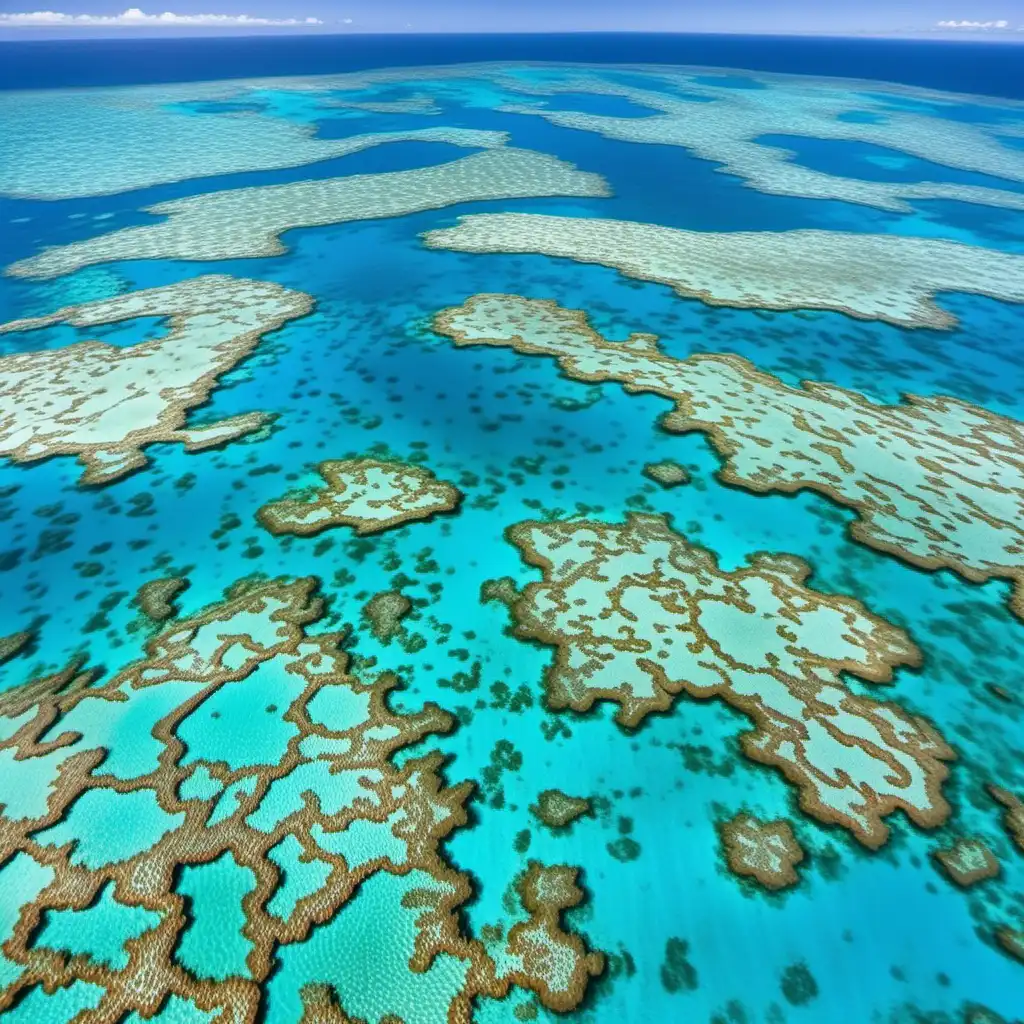
A kind of rock-like marine animal that typically lives in colonies in warm seas.
The Great Barrier Reef in Australia is the world's largest coral reef system.
coral
ˈkɔːrəl
Cargando…
ˈkɔːrəl
A kind of rock-like marine animal that typically lives in colonies in warm seas.
The Great Barrier Reef in Australia is the world's largest coral reef system.

ˈkɔːrəl
The hard, variously colored skeleton secreted by certain marine animals, often used as material for jewelry or ornament.
She wears a necklace made of coral.
ˈkɔːrəl
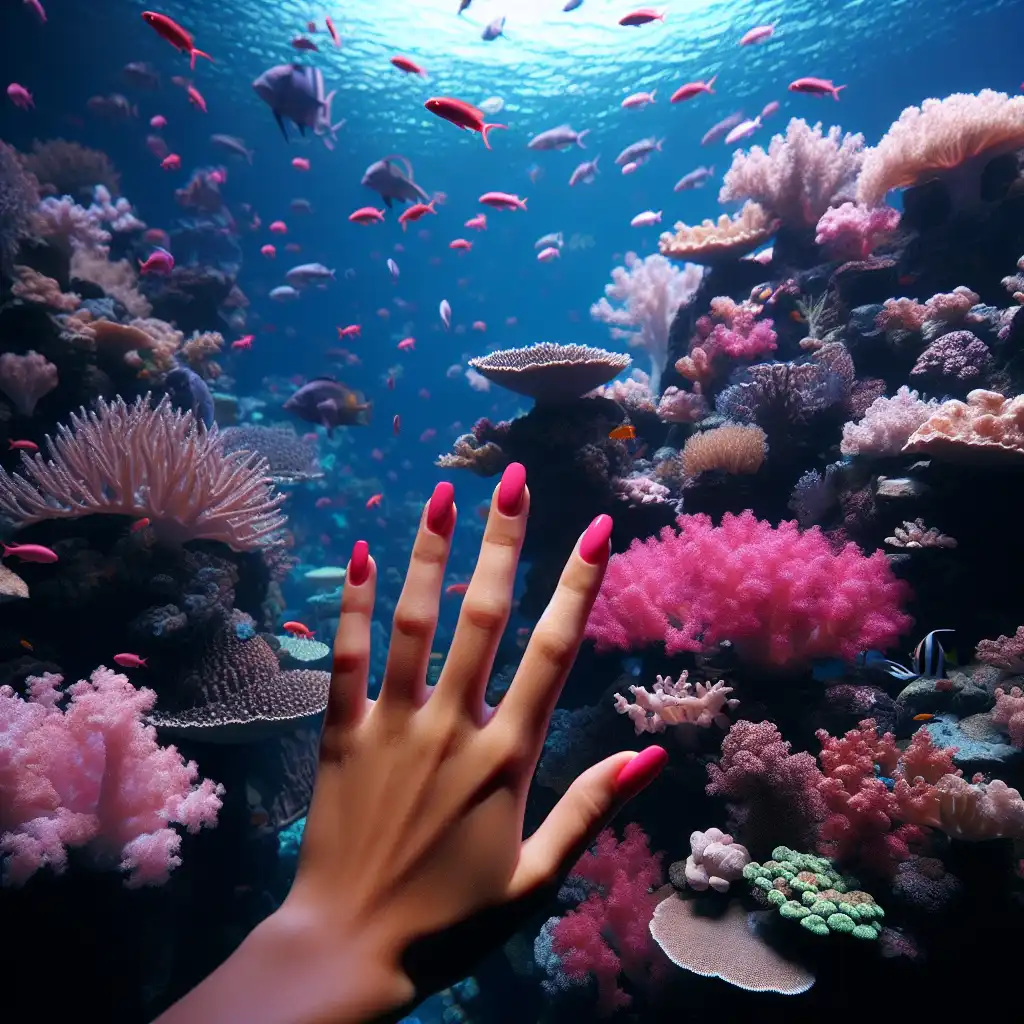
Relating to the corals or coral reefs, or the color resembling that of red or pink coral.
She painted her nails in a coral color.
No se pudo cargar el audio. Inténtalo de nuevo más tarde.
Coral refers to the hard, colorful material made by small animals in the ocean. You can use the word coral to talk about different types of marine animals. For example, you can say "I saw fish swimming near the coral reef" or "the snorkeler spotted a piece of coral on the ocean floor." Coral is often used to describe tropical locations and the sea life that lives in those areas.
Colony refers to a group of living organisms of the same species that live together for mutual benefit, such as ants or bees.
Colony refers to a group of living organisms or people, while coral refers to a marine invertebrate animal that forms a reef.
Abrir palabra: Colony →Coral refers to a group of tiny marine animals that live together and secrete a hard skeleton to form coral reefs. Invertebrate refers to animals that do not have a backbone or a vertebral column, such as insects, snails, and worms.
Invertebrate can describe a wide range of animals from various taxonomic groups that lack a backbone, and it is commonly used in taxonomic or biological classification.
Abrir palabra: Invertebrate →Polyp refers to the body structure of certain types of animals, including corals, that are characterized by a central mouth surrounded by tentacles.
Polyp is applicable when discussing the structure of certain animals, including coral, jellyfish, and sea anemones.
Abrir palabra: Polyp →A reef is an ecosystem in which coral and other organisms live. Coral reefs are made up of thousands of individual coral colonies, which grow together over time to create a large, complex structure that provides habitat for many different species of fish and other marine life.
Coral is the living creature while a reef is the entire ecosystem in which it lives.
Abrir palabra: Reef →Coral and skeleton are two different things. Coral is a living organism that grows in the ocean and makes a hard, reef-like structure.
It is made up of lots of small animals called polyps that work together to create the coral. Skeleton is a structure that supports the body of animals and humans.
It is made up of bones or cartilage to help them move and protect their organs. Coral is applicable in the ocean while a skeleton is applicable in living organisms with a bony support structure.
Abrir palabra: Skeleton →In some environments taking away just one important component can undermine the entire system. Take coral reefs for instance. Many organisms in a reef are dependent on the coral. It provides key microhabitats shelter and breeding grounds
Ver en YouTube ↗Some experts look at global warming, increased world temperature, as the critical tipping point that is causing a crash in coral reef health around the world. And there's no question that it is a factor, but it's preceded by the loss of resilience and degradation.
triangle the custard of the richest coral reefs in the world
Ver en YouTube ↗I have no problem with the adventure travel movement. It makes better, more sensitive people. If you get people diving on a coral reef, they're going to become more respectful of the outdoors and more concerned with the threats that places like that face and they're going to care more about protecting them than they would have before.
To protect their soft bodies and add support, the polyps secrete limestone skeletons or calicles. Corals are mega builders. Polyp calicles connect to one another,
Ver en YouTube ↗I am delighted to see that the issue of coral reefs is receiving the attention it deserves.
to talk about a project that my twin sister and I have been doing for the past three and half years. We're crocheting a coral reef. And it's a project that we've actually been now joined by hundreds of people around the world, who are doing it with us. Indeed thousands of people
Ver en YouTube ↗Practically the whole world depends on coral reefs, so if the coral reefs get all killed, then the ocean will start going out of whack, and if the ocean goes out of whack, something might happen on land.
at coral their sharp beaks and the base of a humpback whale pretty much perfect pret never hurt see what I mean there's music all over the world and last but not least he has the runic of a hot of a.m. mockingbird singing in the
Ver en YouTube ↗Hawaii feels so passionately about climate. You know, our oceans are warming. As a result, we have more ocean acidification and coral bleaching. You can actually see it.
the soft corals are one of the main reasons that all this life is attracted to the yongala almost every available space on its once smooth hull is covered with them
Ver en YouTube ↗Coral reefs represent some of the world's most spectacular beauty spots, but they are also the foundation of marine life: without them many of the sea's most exquisite species will not survive.
the third largest of the lakes by surface area. Water slowly moves through its cul-de-sac shape and encounters the world's largest freshwater dunes, many wildlife species, and unique fossilized coral. To the east is Lake Huron which has the longest shoreline.
Ver en YouTube ↗The coral that grows at the edge of the reef is always the strongest and most colourful because it faces the greatest battering. It's the same if you're called Honeysuckle. I'd have had a totally different life if I'd been called Mary.
The soft corals are one of the main reasons that all this life is attracted to the Yongala.
Ver en YouTube ↗Australians were unique due to our corals, our apples, our gum trees and our kangaroos.
so the corals protect themselves a special protein absorbs the ultraviolet light and re-emits light of another color by day the sun is too bright for this to be visible
Ver en YouTube ↗Managing forests, rivers, grasslands, and coral reefs in sustainable ways makes them more resilient and increases their ability to absorb greenhouse gases, which is good for business.
they're less irritating than carbon-based chemical sunscreens. These mineral-based sunscreens are preferential for the environment too. If you plan on catching rays while splashing in a river or the ocean, keep in mind that carbon-based chemical sunscreens can harm marine life. Take coral reefs for example.
Ver en YouTube ↗That includes not cutting down the rain forest, and stop polluting the ocean because once we kill the coral reefs and the rain forest, this earth is toast.