burlesque
noun burlesque
bɜːrˈlesk
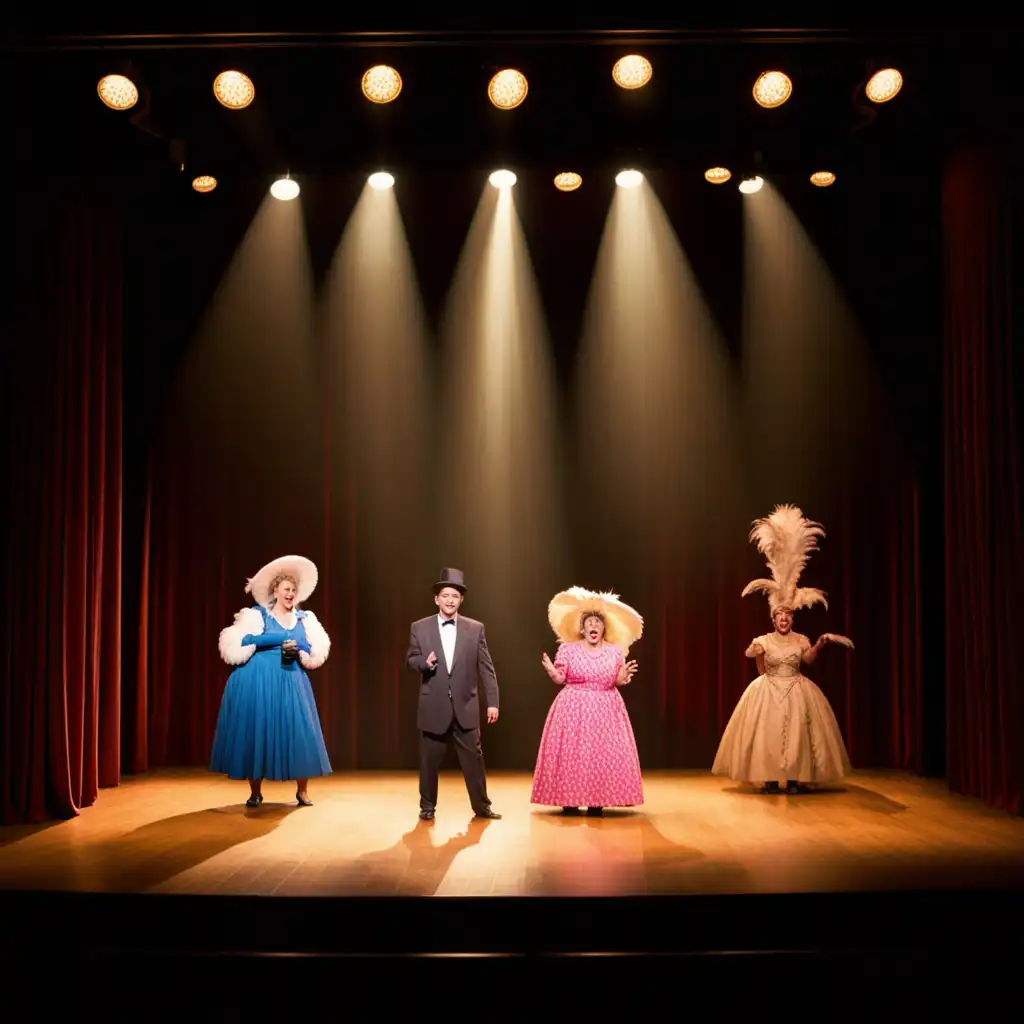
A type of theater show that makes fun of something or someone by imitating them in a silly way.
The spotlight lit up the stage as the burlesque show began.
burlesque
bɜːrˈlesk
Chargement…
bɜːrˈlesk
A type of theater show that makes fun of something or someone by imitating them in a silly way.
The spotlight lit up the stage as the burlesque show began.
bɜːrˈlesk
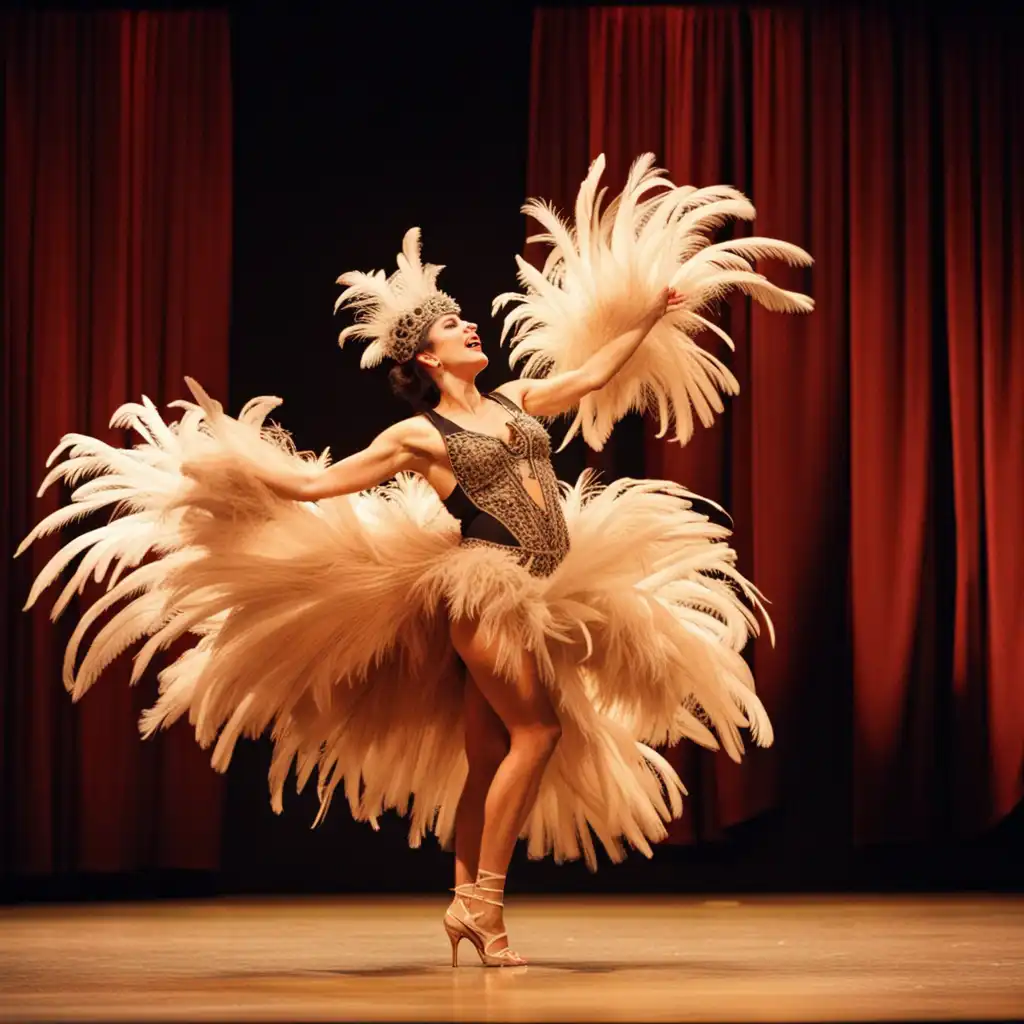
Relating to a type of theater show that is humorous and often involves adult entertainment.
The burlesque dancer wore a feathered costume.
bɜːrˈlesk
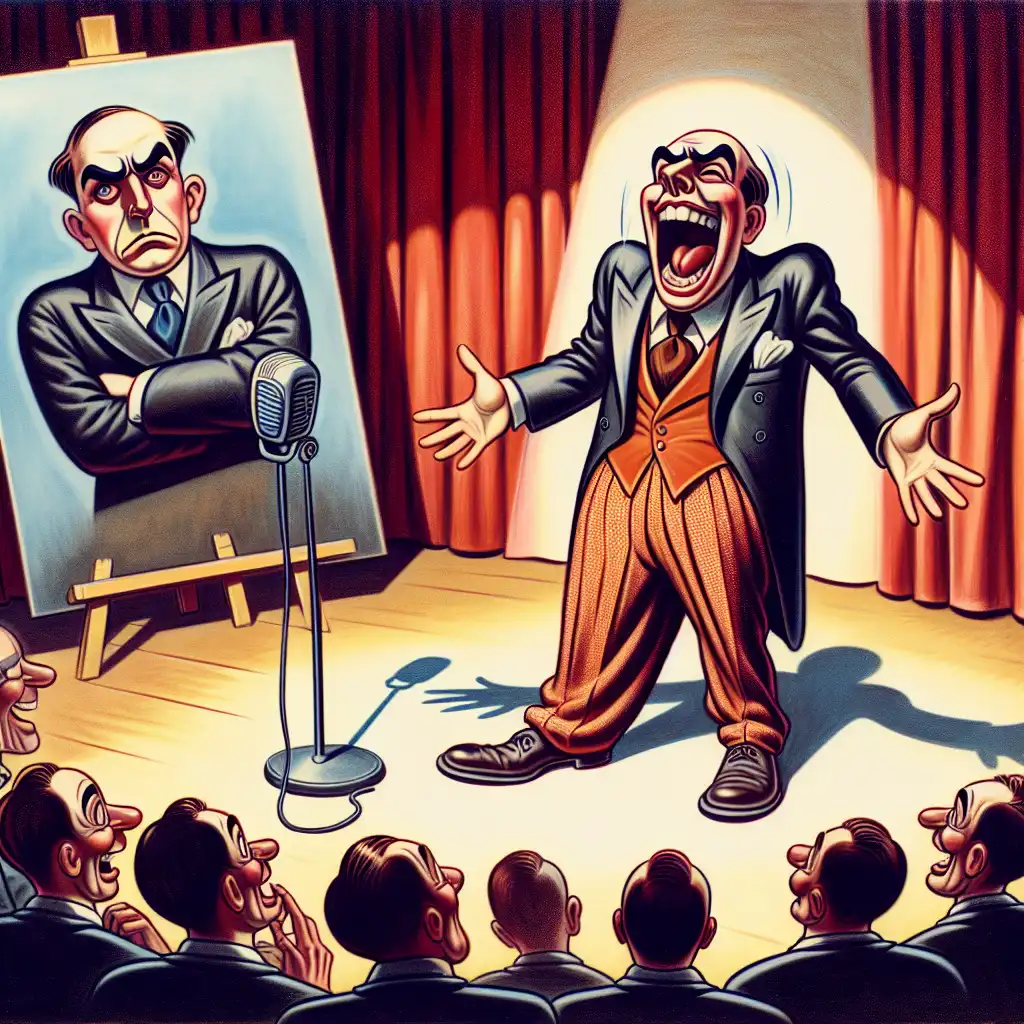
To make fun of something or someone by copying them in an exaggerated way.
The comedian burlesqued the politician's speech.
Impossible de charger l’audio. Réessayez plus tard.
Burlesque is typically used to describe a type of performance that involves exaggerating and caricaturing something or someone in a humorous way. Burlesque performances often involve comedy, music, and dancing, and can be thought of as a type of parody. The word can also be used to describe something that is intentionally over-the-top or exaggerated, often for comedic effect. Burlesque is most commonly associated with acts that are meant to be entertaining or comedic, and can be found in a variety of venues such as theaters or nightclubs.
Caricature refers to a type of drawing or image that exaggerates certain features or characteristics of a person or subject for comedic or satirical effect.
Burlesque is a type of performance art that involves parodying a particular style or topic, while caricature is a type of drawing that exaggerates certain features for comedic or satirical effect.
Ouvrir le mot: Caricature →Farce refers to a type of comedy that is based on ridiculous or improbable situations, and involves exaggerated acting, mistaken identities, and chaotic situations.
The goal of farce is to make the audience laugh, and it often relies on physical comedy and visual gags.
Both burlesque and farce are forms of comedy, but they differ in their approach and subject matter.
Burlesque is often more focused on social commentary and satire, while farce is more concerned with the absurdity of human behavior and situations.
Ouvrir le mot: Farce →Burlesque and lampoon are both types of satire, but they have slightly different meanings.
Lampoon is a type of satirical writing that uses ridicule and sarcasm to mock a specific person or thing.
It is usually written in a humorous and exaggerated style, and can often be quite harsh. Lampoons are often used to criticize public figures or entities, and can be found in newspapers, magazines, and online publications.
So, in short: burlesque is a type of comedic performance that pokes fun at serious things, while a lampoon is a type of satirical writing that specifically targets individuals or groups.
Ouvrir le mot: Lampoon →Mockery refers to a form of ridicule or making fun of someone or something in a mean-spirited way.
Mockery can be hurtful and is usually not acceptable behavior.
Burlesque is a form of entertainment that is light-hearted and meant to be enjoyed, while mockery is a behavior meant to hurt others and is generally unacceptable.
Ouvrir le mot: Mockery →Burlesque and parody are both forms of humor/satire, but they have different meanings.
Parody, on the other hand, is a specific type of satire that imitates and exaggerates the style and content of a particular work, often for humorous effect.
Burlesque is a type of humorous performance that pokes fun at big ideas or concepts, while parody is a specific type of satire that imitates a well-known work of art or pop culture phenomenon.
Ouvrir le mot: Parody →Ridicule means to make fun of someone or something in a mean-spirited way.
The difference between the two words is that burlesque is a type of entertainment that is meant to be funny and enjoyable, while ridicule is a negative and hurtful way of making fun of someone or something.
Burlesque is usually done with the intention of making people laugh, while ridicule is usually done with the intention of making people feel bad.
Ouvrir le mot: Ridicule →Burlesque and satire are both forms of entertainment that use humor to make a point, but they have different purposes and methods.
Satire is a type of comedy that uses irony, sarcasm, and wit to criticize or poke fun at a particular person, group, or idea.
Satire is often used to highlight the absurdity or hypocrisy of a situation or to encourage change by pointing out flaws or inconsistencies.
Burlesque is more focused on entertainment and humor, while satire is more focused on social commentary and criticism.
Burlesque is often associated with live performance and theater, while satire can appear in various forms, including literature, film, television, and other media.
Ouvrir le mot: Satire →Spoof refers to a parody or imitation of a particular work or genre. It is characterized by its use of humor that is often silly or absurd.
Spoofs are meant to be funny and often poke fun at the original work or genre.
Both burlesque and spoof can be used in various forms of entertainment, including theater, film, and television.
However, burlesque typically involves live performances while spoofs are often filmed or televised.
Ouvrir le mot: Spoof →This Clown Philosopher...
Voir sur YouTube ↗I want to be a successful trans woman burlesque performer.
Objectivity is almost a choice you make. As a burlesque performer, I didn't choose to be objectified.
The difference between burlesque and the newspapers is that the former never pretended to be performing a public service by exposure.
The silent film has a lot of meanings. The first part of the film is comic. It represents the burlesque feel of those silent films. But I think that the second part of the film is full of tenderness and emotion.
My mother worked in the old Minsky's troupe, which toured the country in the golden age of burlesque theatre.
Some of the pictures I must say every now and then I just think are going to be funny. When it gets that much, you might as well just pull out all the stops and make it more of a burlesque.
You know what my earliest memories are? Going from one burlesque town to another. My father was in burlesque.
I was performing in this burlesque group, and we would go to dance rehearsals every day. You'd use every part of your body. Even though some of it is slow, it takes a lot of muscle to be able to dip down and come back up.
Every one of my products - my lingerie, my perfume, and everything that I do beauty-related with regard to building my burlesque shows - is just me.
Bip is the romantic and burlesque hero for our time. Bip is a modern-day Don Quixote.