herbaceous
adjective herbaceous
ɜːrˈbeɪʃəs,hɜːrˈbeɪʃəs
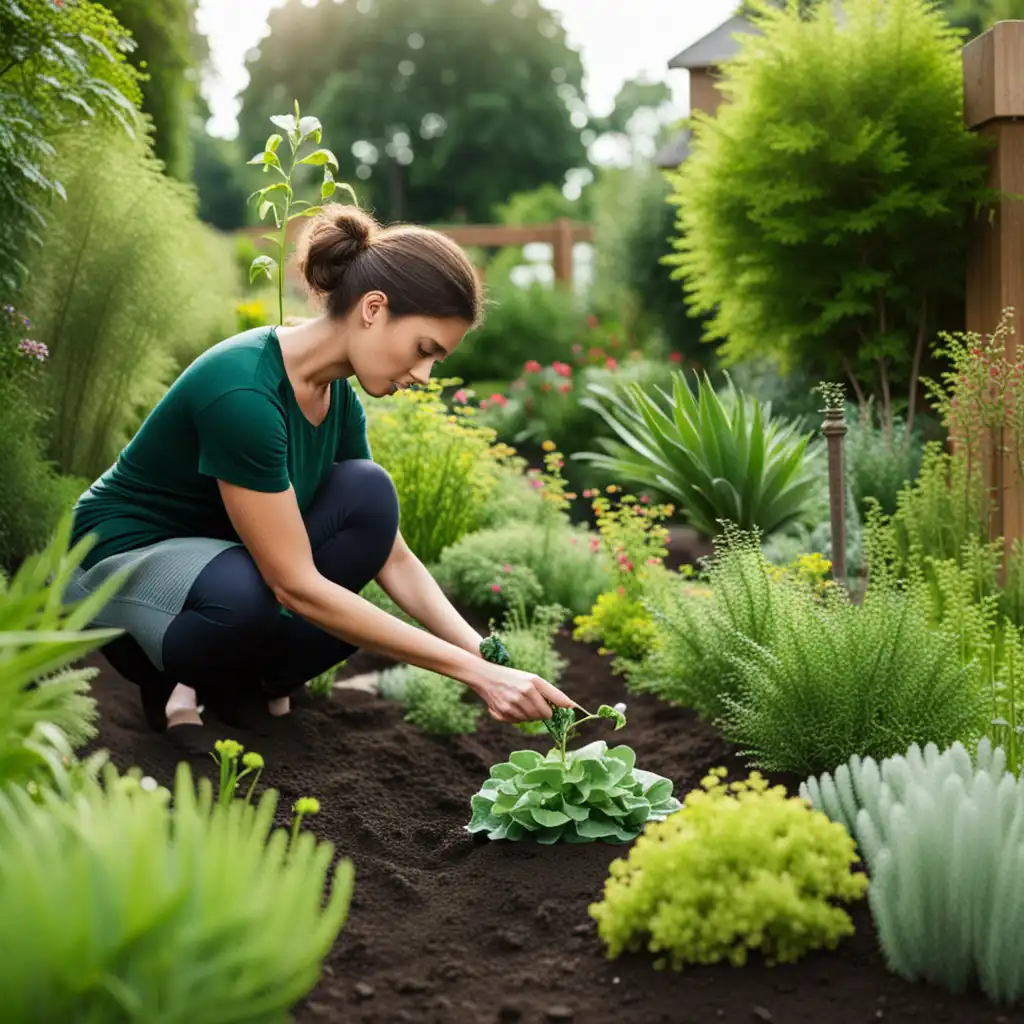
Related to plants that have no woody stem above ground.
The gardener planted several herbaceous plants in the garden.
herbaceous
ɜːrˈbeɪʃəs,hɜːrˈbeɪʃəs
加载中…
ɜːrˈbeɪʃəs,hɜːrˈbeɪʃəs
Related to plants that have no woody stem above ground.
The gardener planted several herbaceous plants in the garden.
ɜːrˈbeɪʃəs,hɜːrˈbeɪʃəs
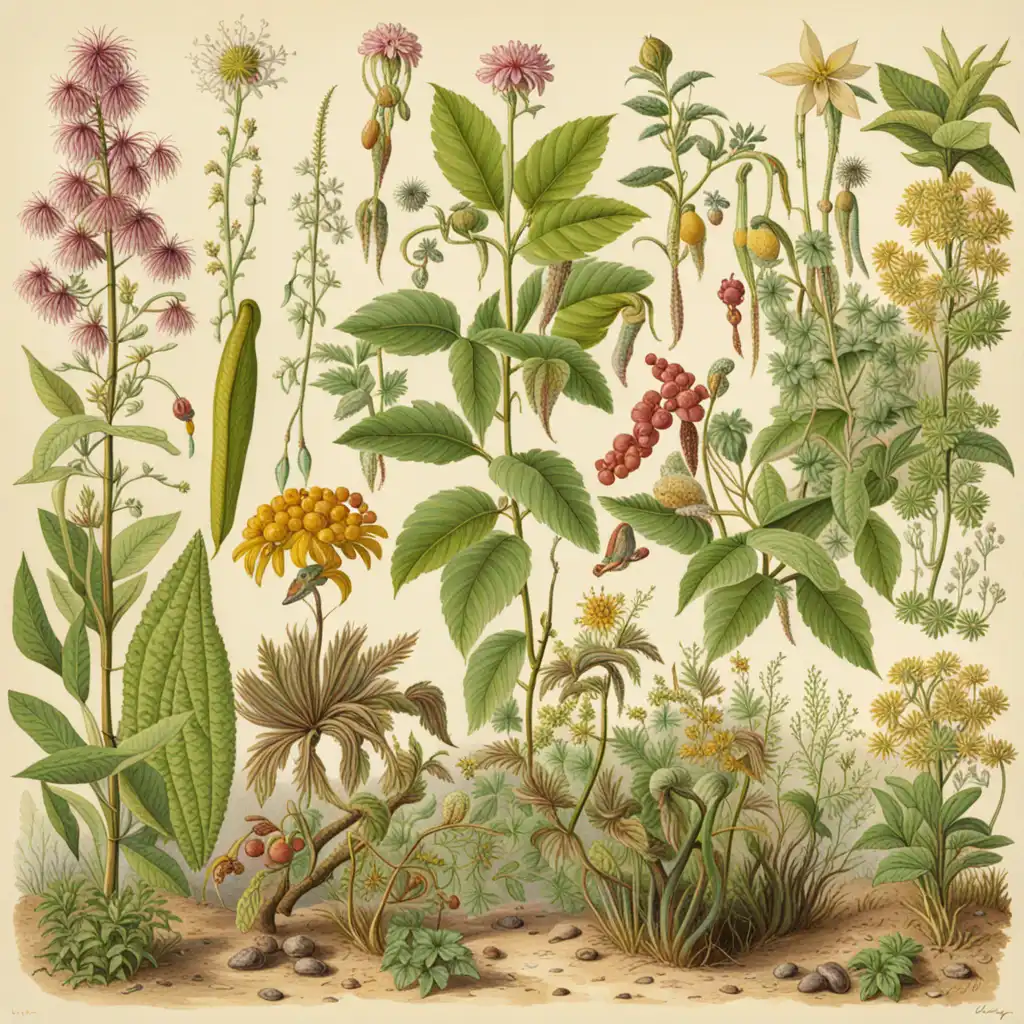
Of, relating to, or denoting plants which are herbaceous.
Herbaceous plant species are common in this region.
音频无法加载,请稍后再试。
The word 'herbaceous' is used to describe plants that have soft, green stems and leaves, and usually no woody parts. These are plants like mint, basil, and parsley. It is important to note that it is not used to describe trees or plants with hard, woody stems. You might hear this word used when talking about gardening or cooking with herbs. For example, "This soup has a delicious herbaceous flavor from the fresh thyme and rosemary."
Fleshy refers to plants that have thick and juicy stems or leaves, often used to store water, like a succulent. Herbaceous refers to plants that have soft stems that die down to the ground after flowering and produce new growth the following year, like a daisy.
Fleshy is applicable to plants that need to store water for long periods of time and are often found in dry, arid environments.
打开单词: Fleshy →Green generally refers to the color of plants, whereas herbaceous refers to the texture of plants.
Green is applicable to all plants that have green leaves or stems. For example, a tree with green leaves or a bush with green branches can be called green.
Green refers to the color of plants, while herbaceous refers to the texture and structure of plants.
打开单词: Green →Leafy refers to plants that have a lot of leaves, typically attached to woody stems or branches. Leafy plants include trees, shrubs, and some vegetables, like kale and collard greens.
Herbaceous describes soft-stemmed plants that die back each year, while leafy describes plants with lots of leaves on woody stems or branches.
打开单词: Leafy →Lush refers to plants that are very healthy and thriving, with dense foliage and abundant growth. These plants often have a rich, vibrant quality to them.
Both words can describe plants and gardens, but herbaceous is more specific to certain types of plants, while lush can describe any plant that is thriving and healthy.
打开单词: Lush →Verdant, on the other hand, refers to a lush, green landscape or environment, and can be applied to any plants or areas that are covered in green vegetation.
So essentially, herbaceous refers specifically to the physical characteristics of certain plants, while verdant is a broader term that can describe any area that is densely populated by green vegetation.
打开单词: Verdant →Safari Live - Day 142 %\PIPE%...
在 YouTube 上观看 ↗