background
n. background
ˈbækɡraʊnd
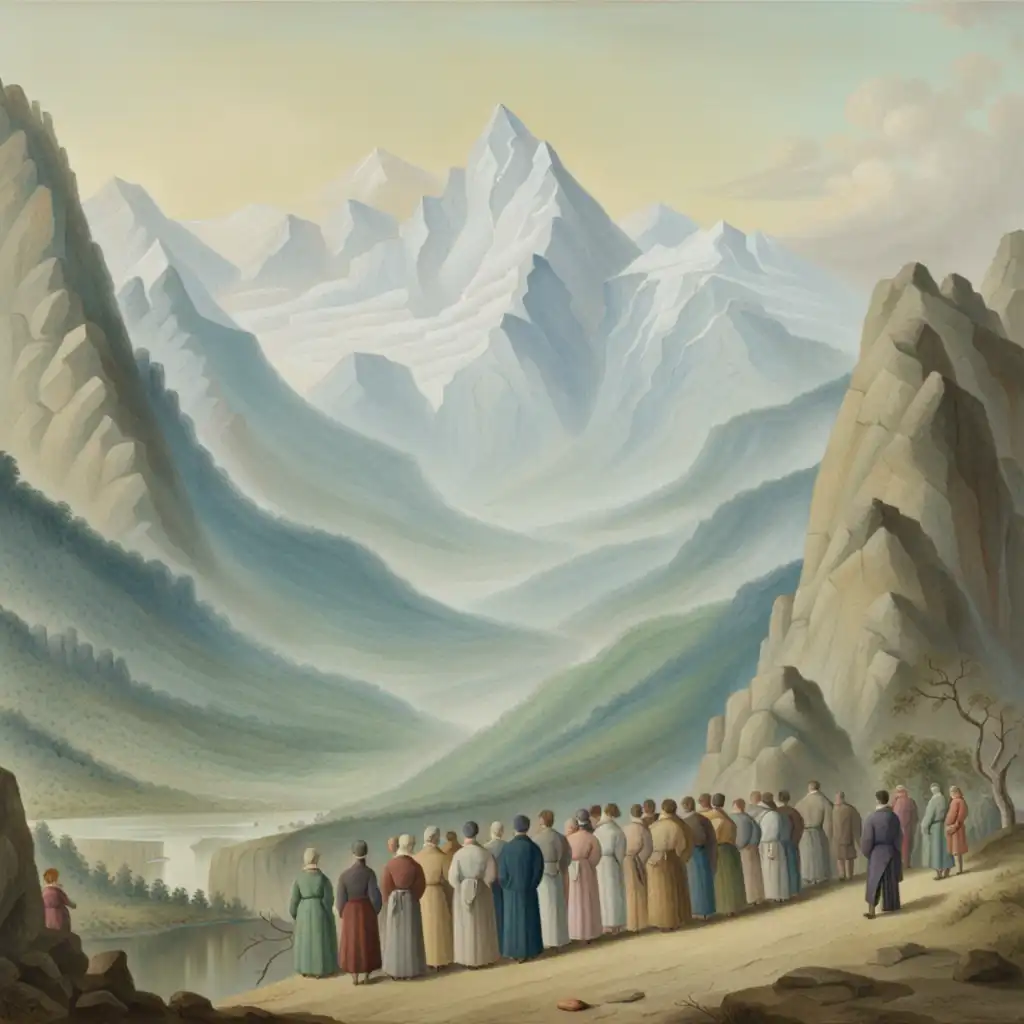
The part of a scene or picture that is farthest from the viewer.
The mountains in the background of the painting gave it depth.
background
ˈbækɡraʊnd
Loading…
ˈbækɡraʊnd
The part of a scene or picture that is farthest from the viewer.
The mountains in the background of the painting gave it depth.

ˈbækɡraʊnd
The experiences, knowledge, education, etc., in a person's past.
The job requires a background in computer science.

ˈbækɡraʊnd
A procedure on a computer that continues to operate after the user has finished working with it.
The program runs in the background while you're working on other tasks.

ˈbækɡraʊnd
The conditions that form the setting of an event, fact, or character is created or considered.
The decision was made against a background of declining sales.

ˈbækɡraʊnd
Quiet music played to provide mood or atmosphere.
I put on some background music while I study.
Audio could not be loaded. Please try again later.
The word 'background' refers to the history, experience, education, or family information that makes up a person's past or where they come from. In language, the word 'background' is often used to describe a person's past experiences and knowledge that contributes to their understanding of a particular topic. For example, if someone has a background in science, it means they have studied and worked in science-related fields, so they are knowledgeable about science. The word 'background' can also describe the setting or environment in which something takes place. For instance, the background of a painting refers to the space or setting behind the main object or person. As you learn English, you will come across the word 'background' in various contexts, and it will be useful to understand the different meanings and how to use the word appropriately.
Context refers to the circumstances and conditions surrounding a particular event or situation. It helps us understand what is happening in the present moment and why it is important.
For example, if you are watching a news report about a protest, the context might include details about the history of oppression or discrimination that led to the protest.
Background is about the past and context is about the present. Background helps us understand why someone or something is the way they are, while context helps us understand what is happening right now and why it matters.
Open word: Context →Environment refers to the physical, social, and cultural surroundings in which a person, animal, or plant lives.
It includes everything from the air we breathe to the people we interact with. For example, a person's environment may include their home, workplace, and community.
Background refers to an individual's personal history and experiences, whereas environment refers to the external factors that shape their life.
Open word: Environment →Background refers to a person's history, including their education, family, and cultural upbringing. Experience refers to the knowledge and learning that a person has gained through various activities and events.
Whereas, experience is used to measure a person's skills and competencies in a particular field of work or activity. It is applicable in assessing job readiness or in evaluating an individual's expertise in a certain area.
Background refers to a person's personal history while experience refers to their skills and knowledge gained from activities they have engaged in.
Open word: Experience →Heritage refers to a person's cultural or ethnic identity. This includes things like their language, customs, beliefs, and traditions that have been passed down through generations.
While both words refer to different aspects of a person's identity, they can overlap in some cases. For example, a person's heritage may influence their background if they were raised in a household that emphasized their cultural traditions.
Background is applicable to a person's personal history and experiences, while heritage is applicable to a person's cultural and ethnic identity.
Open word: Heritage →History, on the other hand, refers to the past events, particularly related to a country, person, or group. It involves the recording, narrating, and analyzing of past events or happenings.
For example, the history of the United States can be traced back to the American Revolution.
The background is the information one needs to know about a specific situation or event, whereas history is the record of past events that have occurred over a long period of time.
Open word: History →Past refers to the time that has elapsed before the present moment. It includes all of the events, experiences, and actions that have happened in a person's life up until now.
Past is often used to describe a person's personal history or the historical events that have shaped the world.
Background is more about the context in which something occurs, while past is more about the events that have occurred before the present moment.
Open word: Past →Background refers to the area or environment behind the main focus of a picture, story, or event. It is the setting that helps to create the mood or atmosphere of what is happening.
Set can refer to a collection of objects or scenery used on a stage or movie set to create a specific setting or environment.
It is typically the physical props and decorations that are used to create the background. For example, a movie set might include a fake house or street that creates the background for the actors to perform in front of.
Background refers to the visual or contextual elements behind the main focus, while set refers to the physical objects and decorations used to create that background.
Open word: Set →Background refers to the circumstances, events or conditions that lead up to something happening, while tradition refers to customs or practices that have been passed down through generations.
If someone is talking about a tradition, they might be referring to a holiday or celebrations that are unique to their culture or religion.
Background is applicable to personal experiences, while tradition is applicable to cultural or societal practices.
Open word: Tradition →Stage and screen engage some of our senses directly. We see and hear the interactions of the characters and the setting. But with prose fiction, all you have is static symbols on a contrasting background.
Watch on YouTube ↗The discipline of desire is the background of character.
you play the same sports, there's a high chance that you're going to want to help that person out. But for the person in the room who has no shared experiences with you it becomes extremely difficult to find that connection. The idea of finding someone different to mentor, someone who doesn't come from the same background as you, whatever that background is,
Watch on YouTube ↗When you come from a background like mine, where you're entering worlds that are so different than your own, you have to be afraid.
you know these mountains in the background that are so… it looks like a watercolour. Wow. Endless it feels like just water that goes on forever.
Watch on YouTube ↗I have a lot of good role models in my family for things off the court - like my older sister, who's a lawyer. I don't like writing papers, but she's helped me a lot. It's nice to have an art and business background because they tie together perfectly.
habituated wolf you can see that she's pretty well camouflaged against her background if you're looking from a long way away against a big landscape you find this wolf pretty hard to spot but that's not how of caribou see the world and to get an idea of what they see I'm
Watch on YouTube ↗My father came from a very poor background, but I was very fortunate in the sense that we were never in need. My dad was determined to make sure that we didn't want for things. He wanted to give us more opportunity than he had, a better shot at a better life.
people of all different colors and backgrounds and you know what the main ingredient that day was mutual respect we sat down with southern white folks as cousins rather than combatants you know what the ancestors who lived in those
Watch on YouTube ↗I do come from a very humble background.
about the most common established patterns at a given point in time. This is important not only for formal contexts, but it also makes communication easier between non-native speakers from different backgrounds. Descriptivism on the other hand, gives us insight into how our minds work
Watch on YouTube ↗A background person is all I've been all my life.
toe the line between visual art and poetry. Meanwhile E.E. Cummings wrote poems whose shapes were as important as the words themselves, in this case amplifying the sad loneliness of a single leaf falling through space. If the visual nature of poetry faded into the background, perhaps we'd be left with music,
Watch on YouTube ↗I was bred and raised in a multi-cultural music background.
At some point the order became set in stone and the story was locked into place as the one we read today. But since the world has changed a bit in the last several thousand years, it helps to have some background before jumping in.
Watch on YouTube ↗The background score plays an important role in black comedies.
A well-dressed child princess refuses a glass of water from a handmaid, while a dwarf teases a dog. A second dwarf stands next to them, while the artist himself pauses at his canvas. Two more people whisper in the background, while a third appears to be exiting the room,
Watch on YouTube ↗Time is but the shadow of the world upon the background of Eternity.
the rules that can restrict the amount of carbon dioxide emitted from power plants, and make energy companies around the world wary of what they put into the air. Until then, every time you turn on a screen or flick a light switch, coal is lurking in the background,
Watch on YouTube ↗The Mekons were kind of like the background music of my life.