
nordic
adjective nordic
ˈnɔːrdɪk
Relating to the northern countries of Europe, like Sweden, Norway, Iceland, Denmark and Finland.
She is fond of Nordic cuisine that mainly includes seafood.
nordic
ˈnɔːrdɪk
불러오는 중…
ˈnɔːrdɪk
Relating to the northern countries of Europe, like Sweden, Norway, Iceland, Denmark and Finland.
She is fond of Nordic cuisine that mainly includes seafood.

ˈnɔːrdɪk
About people who are from the northern part of Europe and have light skin, hair and eyes.
Her Nordic features make her stand out in the crowd.

ˈnɔːrdɪk
Referring to a family of sports that include cross-country skiing, ski jumping, biathlon and Nordic combined.
He won the gold medal in Nordic skiing at the Winter Olympics.
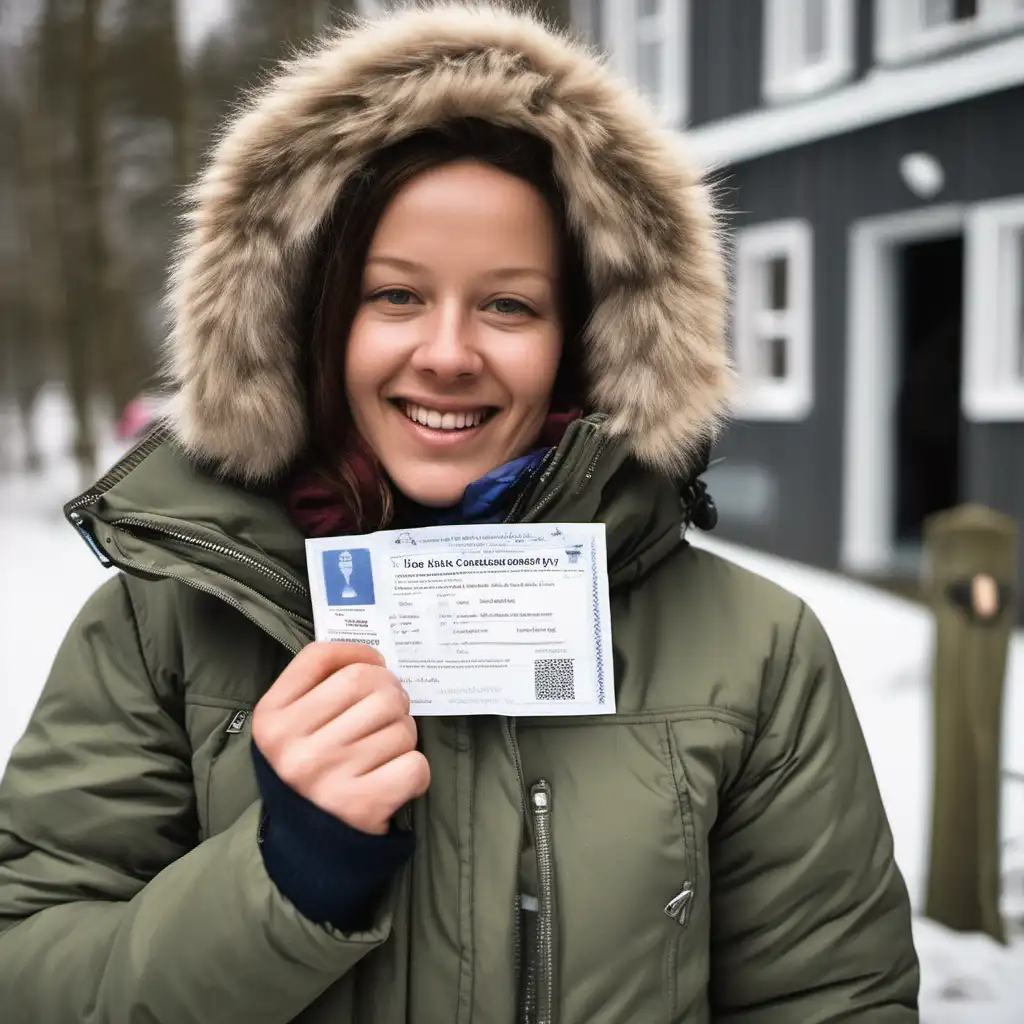
ˈnɔːrdɪk
A person from the Nordic countries.
I am a Nordic by birth and love the winters.

ˈnɔːrdɪk
Connected with the group of languages spoken in the Nordic Countries such as Danish, Norwegian and Swedish.
He teaches Nordic languages at the University.
오디오를 불러오지 못했어요. 잠시 후 다시 시도해 주세요.
The word 'Nordic' is often used to describe the countries and cultures located in the northern part of Europe, including Denmark, Finland, Iceland, Norway, and Sweden. It can also refer to people, products, or things from these countries. For example, if someone says they enjoy Nordic cuisine, they are referring to the food traditions from these northern countries. Similarly, if a clothing store advertises Nordic-style sweaters, they mean clothing that is inspired by the fashion trends of these countries. So, the word 'Nordic' is used to describe things that are related to these northern European cultures, such as food, fashion, or traditions.
Alpine refers to skiing or snowboarding down a mountain or hill, usually on groomed runs or trails. Nordic refers to skiing on flatter terrain or cross-country skiing, where the skier propels themselves forward using a striding motion.
Alpine skiing is typically done at ski resorts with large lifts, while Nordic skiing can be done on trails or tracks in parks or natural areas.
단어 열기: Alpine →The word Arctic refers to a specific region around the North Pole, which includes northern Canada, Greenland, and parts of Russia, Alaska, and Norway.
In short, Arctic relates to a geographic location, whereas Nordic relates to a group of countries with cultural and linguistic similarities.
단어 열기: Arctic →Baltic refers to the countries that border the Baltic Sea, which includes Estonia, Latvia, and Lithuania, as well as parts of Russia, Finland, Sweden, and Denmark.
The word Baltic can also describe the climate and culture of the region.
So, in summary, Baltic refers to a specific geographic region, while Nordic refers to a cultural and political region.
단어 열기: Baltic →Glacial refers to anything related to a glacier, such as its movement or formation.
It can also refer to something that is slow or difficult to change, like a glacial pace.
Glacial is applicable when describing something related to glaciers or something that is slow-moving, while nordic is applicable when describing something related to the northern regions of Europe or their culture and characteristics.
단어 열기: Glacial →The word Nordic typically refers to the countries of Northern Europe such as Denmark, Finland, Iceland, Norway, and Sweden.
On the other hand, Northern refers to any location that is located in the north of a particular place. For example, if you are in the United States and you say "I'm going to the Northern states," it generally means states like Minnesota, North Dakota, or Maine, but it doesn't necessarily carry the same cultural or historical connotations as Nordic.
In short, Nordic is more specific and suggests a cultural or regional association with specific countries in Northern Europe while Northern is a more general term that describes any area or location that is situated in the north.
단어 열기: Northern →Polar describes things that are related to the North or South Pole, where the climate is extremely cold and snowy.
This can include animals such as polar bears, the Northern Lights, or scientific expeditions to study the polar regions.
Nordic describes things related to Northern Europe, while polar describes things related to the extreme cold and snow of the North or South Pole.
단어 열기: Polar →Both Nordic and Scandinavian are terms used to describe countries in northern Europe.
Scandinavian refers specifically to the three countries of Norway, Sweden, and Denmark. These countries share a common history, culture, and language.
On the other hand, Nordic refers to a larger region, which includes the three Scandinavian countries as well as Finland, Iceland, the Faroe Islands, and Greenland.
So, while all Scandinavian countries are Nordic, not all Nordic countries are Scandinavian.
In terms of when to use each term, Scandinavian is more specific and should be used when referring only to Norway, Sweden, and Denmark.
단어 열기: Scandinavian →Tundra refers to a biome characterized by cold, harsh winters, short growing seasons, and low-lying vegetation. It is found in regions around the Arctic Circle, including parts of Alaska, Canada, Greenland, and Russia.
It is applicable when describing geographic regions or ecosystems that have characteristics typical of a tundra, such as the Arctic tundra or the Alpine tundra.
In summary, Nordic refers to Northern Europe while tundra refers to a particular type of geographic region or ecosystem with specific characteristics.
단어 열기: Tundra →Battling bad science -...
YouTube에서 보기 ↗