inorganic
adjective inorganic
ˌɪnɔːrˈɡænɪk
Not made of living things
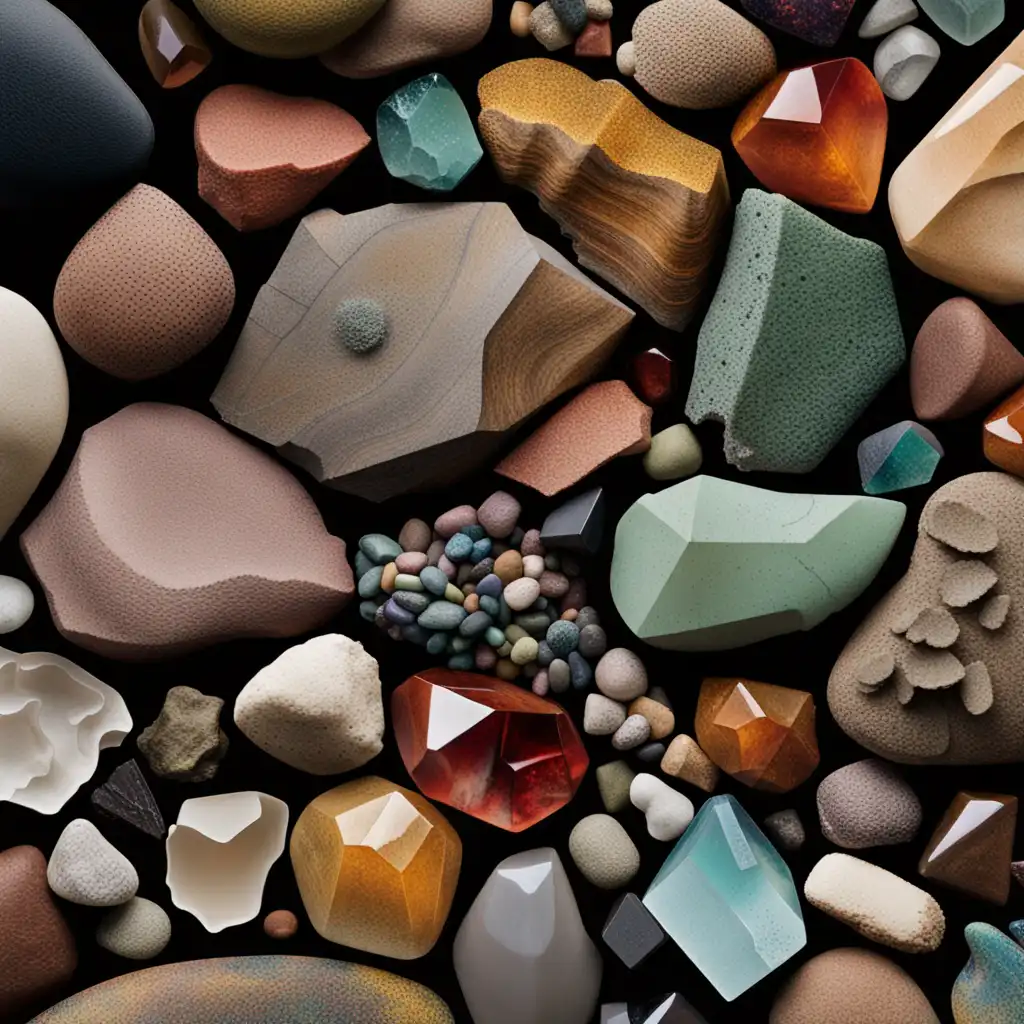
Rocks and minerals are inorganic substances.
inorganic
ˌɪnɔːrˈɡænɪk
Cargando…
ˌɪnɔːrˈɡænɪk
Not made of living things
Rocks and minerals are inorganic substances.
ˌɪnɔːrˈɡænɪk
In chemistry, relates to compounds that are not carbon-based
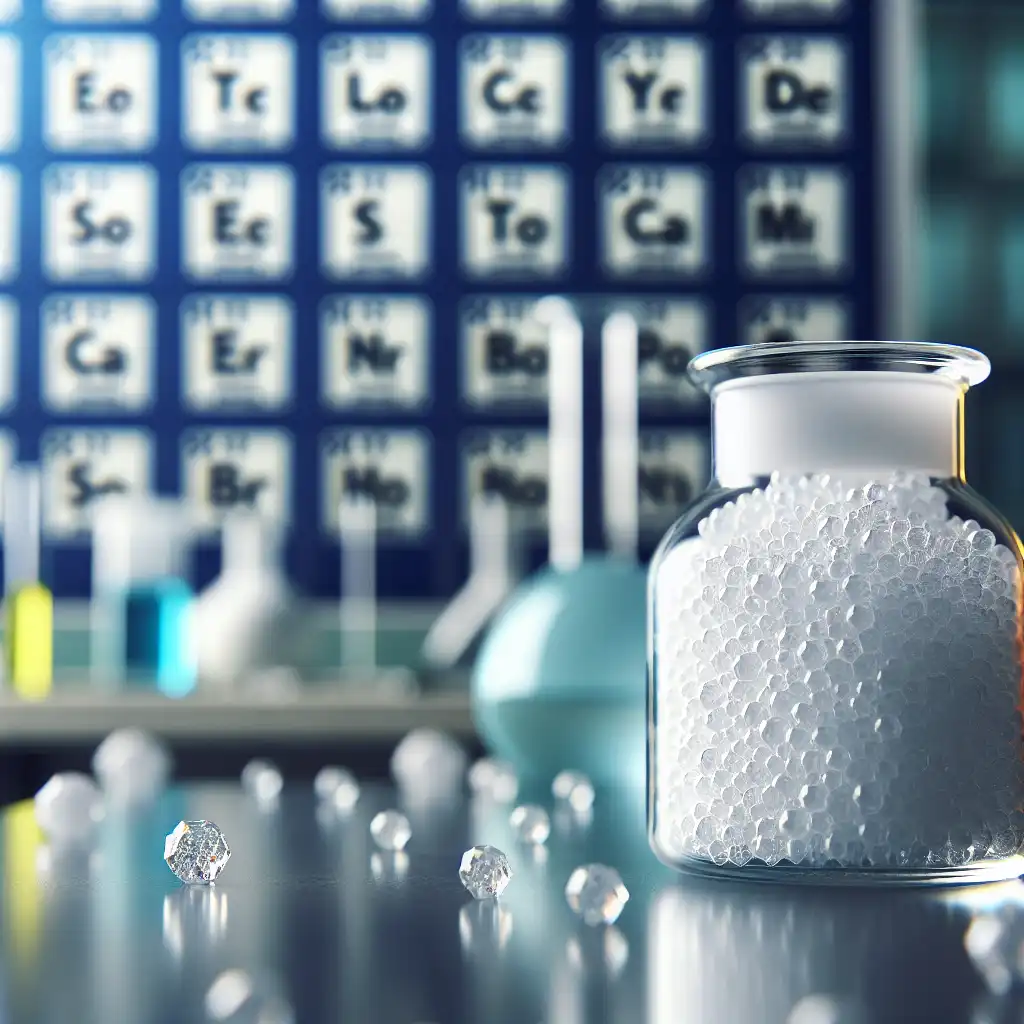
Sodium chloride is an inorganic compound.
No se pudo cargar el audio. Inténtalo de nuevo más tarde.
The word "inorganic" is usually used to describe things that are not made up of living organisms. For example, rocks, metals, and plastic are all inorganic materials. It can also refer to chemical compounds that don't contain carbon, like salt or water. It's important to know what something is made of because it can affect how it behaves and how we use it. When talking about chemistry, the distinction between organic and inorganic compounds is important because organic compounds contain carbon and often have unique properties that set them apart from inorganic materials.
Artificial means something that is made by humans or is not naturally occurring, while inorganic means something that does not contain carbon-hydrogen bonds or is not derived from living organisms.
For example, a plastic toy is artificial because it is made by humans, but it may contain organic compounds in its composition.
Artificial is applicable when referring to things that are man-made or not naturally occurring, such as artificial intelligence or artificial sweeteners.
Abrir palabra: Artificial →Chemical refers to any substance that has a distinct molecular structure and can undergo chemical reactions.
In other words, it pertains to any substance that is composed of chemical elements.
In summary, all substances are chemical, but not all chemicals are inorganic. Chemicals are applicable in industries such as medicine, food, and agriculture, while inorganic substances are commonly used in construction, electronics, and other related fields.
Abrir palabra: Chemical →Inanimate refers to objects or organisms that are not alive, while inorganic refers specifically to substances that do not contain carbon, such as minerals or metals.
Inanimate can be applied to anything that is not capable of life, such as rocks or furniture. Inorganic is applicable to chemistry, and refers to substances that do not contain carbon, such as minerals, metals, or water.
Abrir palabra: Inanimate →Inorganic refers to substances that are not composed of living organisms, such as minerals or chemicals. In contrast, the word lifeless refers to things that were once living but no longer have life.
For example, a leaf that has fallen from a tree is lifeless but still organic. Inorganic is applicable to things like rocks, metals, and chemical compounds, while lifeless would be applicable to things like dead animals, plants, or bacteria.
Abrir palabra: Lifeless →Inorganic refers to substances that do not contain carbon and are not formed by living organisms. Examples of inorganic substances include minerals, metals and gases like oxygen and nitrogen.
Mineral refers to a naturally occurring inorganic substance with a consistent chemical composition and a crystalline structure.
Examples of minerals include quartz, feldspar, and mica.
Inorganic refers to substances that do not contain carbon, while mineral specifically refers to a type of inorganic substance with a consistent chemical composition and crystalline structure.
Abrir palabra: Mineral →Inorganic refers to substances that do not contain carbon, such as minerals, salts, and metals. Synthetic refers to substances that have been created by humans using chemical and industrial processes, such as plastic, rubber, and synthetic fibers.
Inorganic substances are often found in nature, while synthetic substances are made in a laboratory or factory. Inorganic substances are applicable in fields such as geology, chemistry, and agriculture, while synthetic substances are used in fields such as manufacturing, textiles, and construction.
Inorganic refers to substances that don't contain carbon and occur naturally, while synthetic refers to substances that are made by humans using chemical and industrial processes.
Abrir palabra: Synthetic →Which sunscreen should...
Ver en YouTube ↗Man, unlike anything organic or inorganic in the universe, grows beyond his work, walks up the stairs of his concepts, emerges ahead of his accomplishments.
Lee Cronin: Making...
Ver en YouTube ↗I can safely say that other than macaroni and cheese, there's no processed food in my life. There's no inorganic food in my life these days. There's no junk food. There's not a lot of sugar. There's no soy. I mean, really everything that's going into my body is pretty pure.
Extremophiles 101 %\PIPE%...
Ver en YouTube ↗Sometimes as writers, we try and put narrative development above character development. We try to move our characters around like chess pieces that do our bidding. The problem with that is sometimes the characters do things they shouldn't do. Things that are inorganic.
These animals are also...
Ver en YouTube ↗The theory of evolution is totally inadequate to explain the origin and manifestation of the inorganic world.
Martin Hanczyc: The line...
Ver en YouTube ↗Whatever life may really be, it is to us an abstraction: for the word is a generalised term to signify that which is common to all animals and plants, and which is not directly operative in the inorganic world.
Saul Griffith: Hardware...
Ver en YouTube ↗Air is traditionally 'thin,' but the more we learn about our atmosphere, the more substantial it becomes. In some places it is so filled with inorganic flotsam that it is almost thick enough to plough; in others, it has become so primed with the by-products of life that it comes close to being a living tissue in its own right.
An Accidental Case of...
Ver en YouTube ↗The process of doing a play is an organic one, and the process of doing a film is totally inorganic.
A burial practice that...
Ver en YouTube ↗Modem science, then, maintains on the one hand that nature, both organic and inorganic, strives towards a state of order and that man's actions are governed by the same tendency.
Are indoor vertical...
Ver en YouTube ↗With the exception of autotrophic bacteria, the green, or chlorophyll-bearing, plants are the only living forms on this planet capable of synthesizing organic matter out of inorganic elements and simple compounds.
Lipstick %\PIPE% Ingredients...
Ver en YouTube ↗If you can't afford organic food and are unable to grow your own, it's crucial to wash all inorganic produce very carefully to minimize the toxins you consume. Soak everything for 20 minutes in water with vinegar and salt or water with fresh lemon juice and salt.