cuticle
noun cuticle
ˈkjuːtɪkl
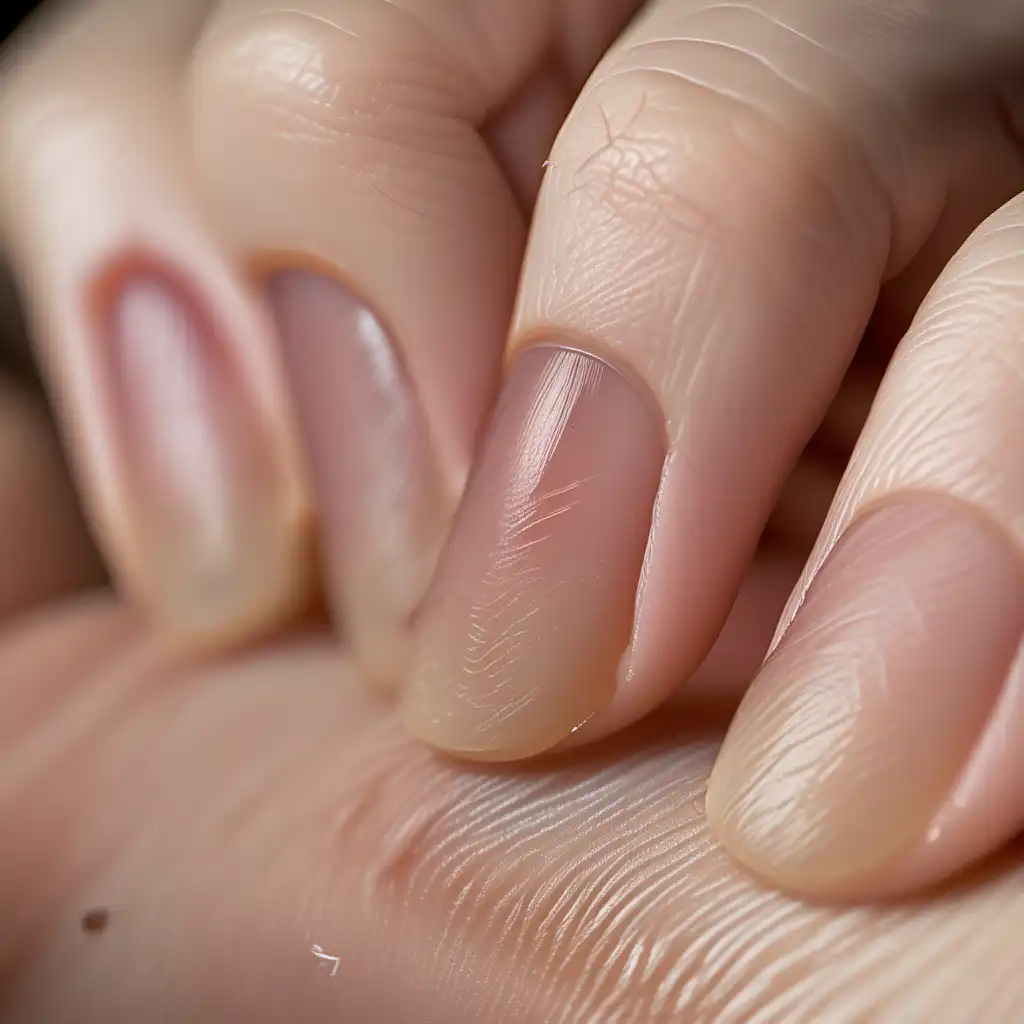
The thin skin at the base of a nail where it attaches to your finger
Since she had been biting her nails, her cuticles looked damaged
cuticle
ˈkjuːtɪkl
Chargement…
ˈkjuːtɪkl
The thin skin at the base of a nail where it attaches to your finger
Since she had been biting her nails, her cuticles looked damaged
ˈkjuːtɪkl
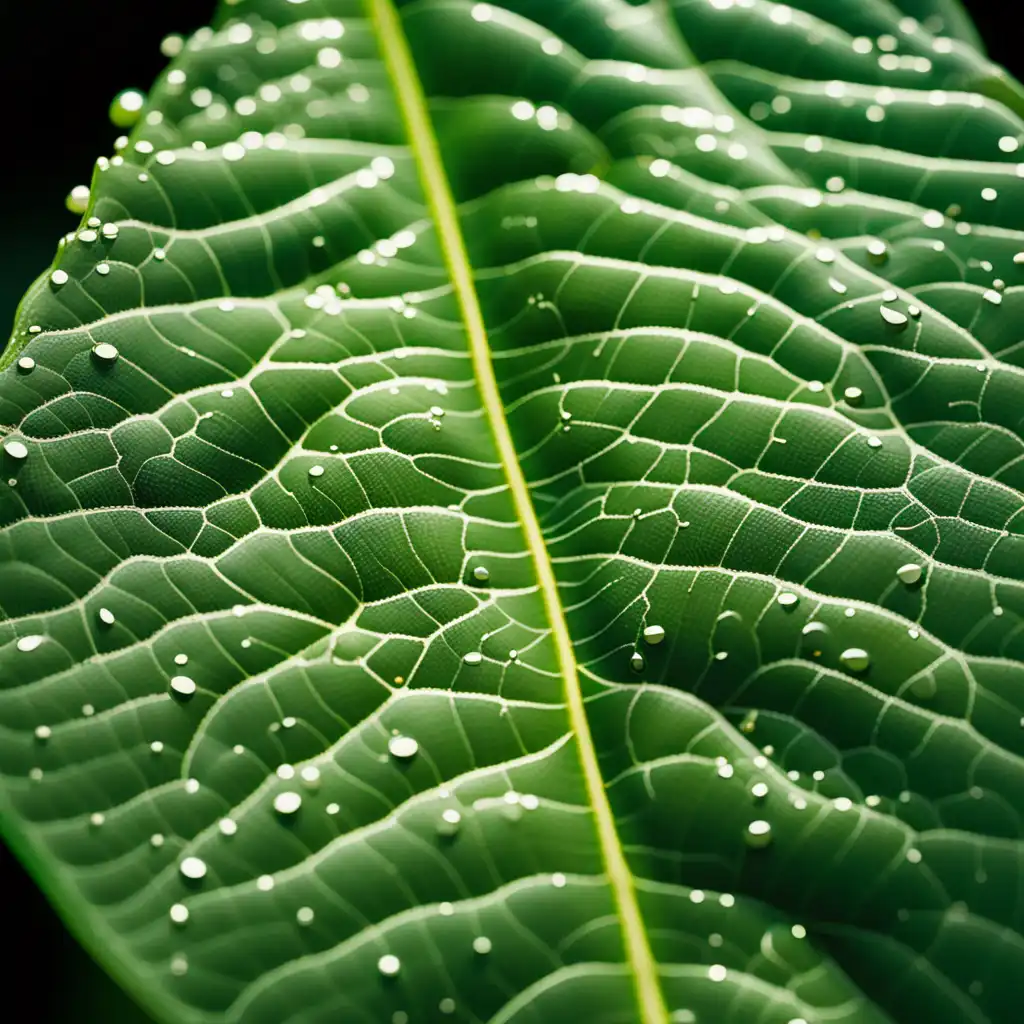
A protective film covering a surface of a plant, especially a leaf
The cuticle of the leaf helps prevent water loss due to evaporation
ˈkjuːtɪkl
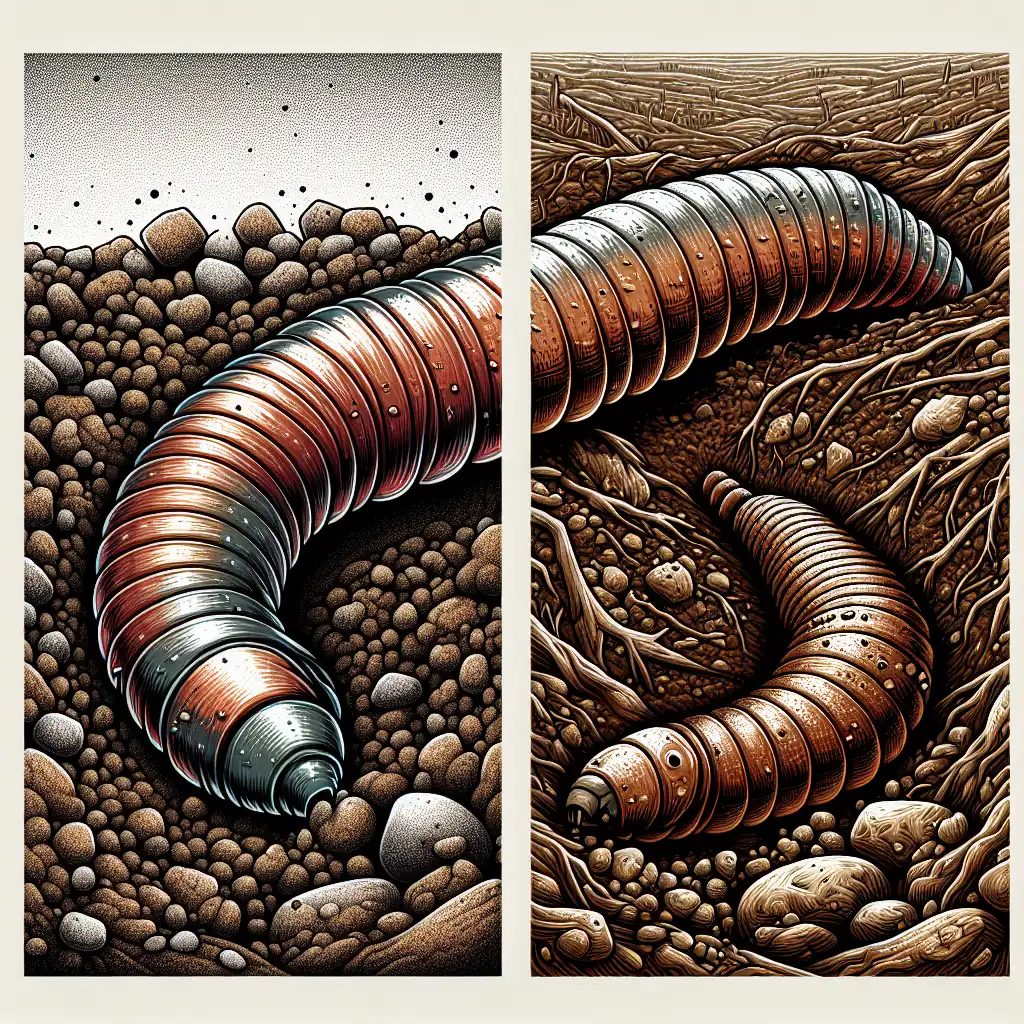
A tough, protective outer layer found in animals
The cuticle of the worm makes it resistant to dry conditions
Impossible de charger l’audio. Réessayez plus tard.
The cuticle is the thin layer of skin at the base of your nails or the thin layer that covers the outside of leaves and plants. When talking about nails, the cuticle helps to protect your nails from getting infected. When talking about plants, the cuticle helps to prevent them from losing too much water and protects them from harmful things in the environment.
A coat is an outer garment that is worn to keep the body warm or protect clothing, while a cuticle is a protective layer of dead skin cells on the surface of nails and hair.
Coats are used in cold weather to keep the body warm and dry, while cuticles are found on nails and hair and protect them from damage and infection.
Coats are made of fabric, while cuticles are made of dead skin cells.
A coat is a piece of clothing worn on the body, while a cuticle is a layer of dead skin cells that protect nails and hair.
Ouvrir le mot: Coat →The cortex is the outer layer of an organ that is responsible for its main functions. In the brain, for example, the cortex is the layer that processes sensory information and controls movement.
In plants, the cortex is the layer of cells between the epidermis and the vascular tissue, where water and nutrients are stored and transported.
So, in summary: cortex = the outer layer responsible for functions, and cuticle = a protective covering. Cortex is applicable to organs and tissues, while cuticle is applicable to plants and animals.
Ouvrir le mot: Cortex →The epidermis is the outermost layer of skin and it protects the body and regulates temperature. The cuticle is applicable to plants, while the epidermis is applicable to animals, including humans.
Ouvrir le mot: Epidermis →Membrane is a thin layer of material that separates two regions or compartments.
It can be found in cells, organs, and other biological structures. Membranes are made up of lipids and proteins and act as a selective barrier, controlling the movement of substances in and out of cells or compartments.
Both cuticle and membrane act as barriers to protect living organisms from external factors. The main difference is that cuticle is a protective layer on the surface of organisms, while membranes are thin layers that separate different regions within an organism.
Ouvrir le mot: Membrane →Cuticle and sheath are both protective coverings, but they are used to describe different things.
A sheath is a protective covering that surrounds or encloses something. For example, the outer layer of a cable is called a sheath because it protects the wires inside.
In biology, a sheath is a covering that protects an organ, like the sheath that covers a leaf bud or a nerve bundle. Sheaths are found on the inside of the object being protected.
The main difference between cuticle and sheath is that cuticle is a thin, waxy layer found on the outside of plants, while sheath is a protective covering that surrounds something on the inside.
Ouvrir le mot: Sheath →Skin is the outer covering of the body of animals and humans. It helps to protect the body from damage and infection, regulates body temperature, and contains sensory receptors for touch, pain, and temperature.
So while both cuticle and skin serve a protective function, cuticle is specific to plants and skin is specific to animals and humans.
Ouvrir le mot: Skin →The amazing ways plants...
Voir sur YouTube ↗How An Egg Becomes A...
Voir sur YouTube ↗