
similitude
noun similitude
sɪˈmɪlɪtuːd
The quality of being similar or resembling something else
There is a striking similitude between the two paintings.
similitude
sɪˈmɪlɪtuːd
Cargando…
sɪˈmɪlɪtuːd
The quality of being similar or resembling something else
There is a striking similitude between the two paintings.
sɪˈmɪlɪtuːd
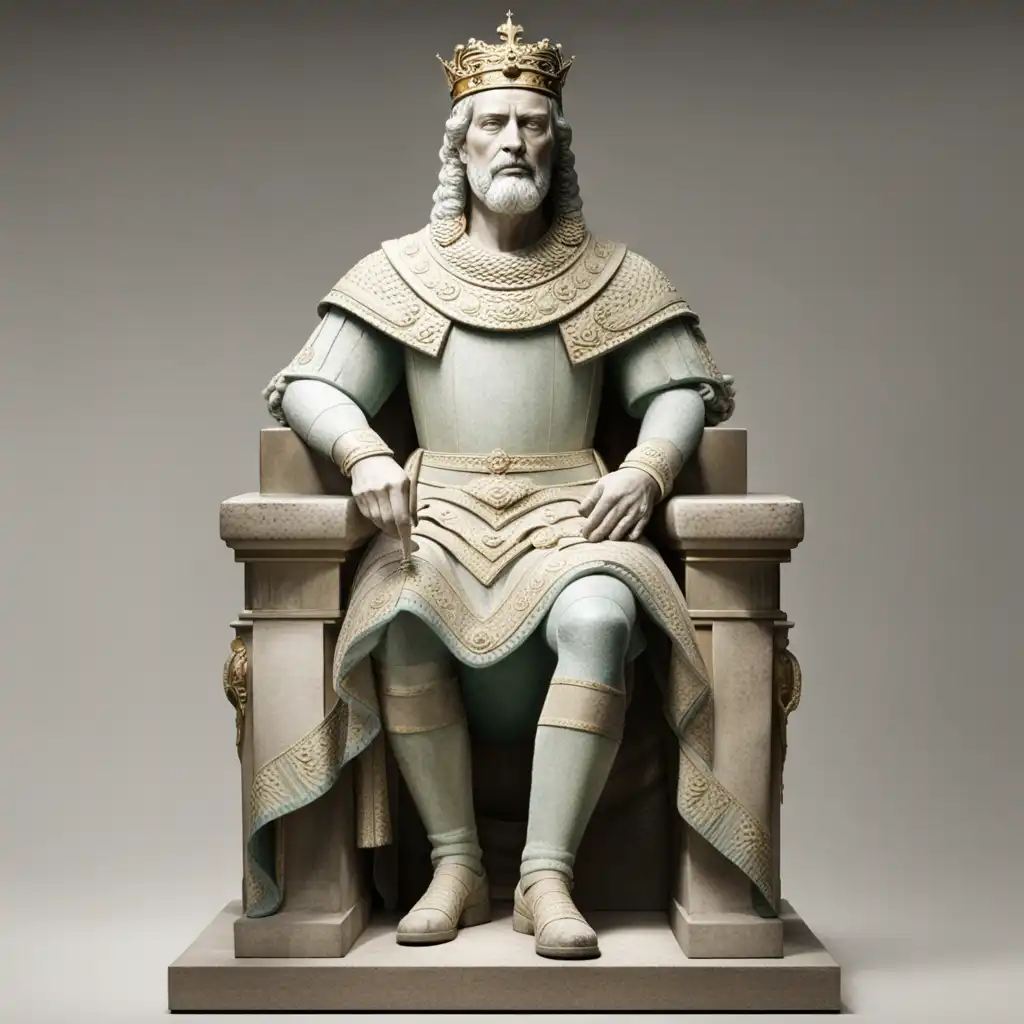
An image, likeness, or representation
The statue was created in similitude of the king.
No se pudo cargar el audio. Inténtalo de nuevo más tarde.
Similitude is a fancy word that means something is similar to something else. You can use it when you want to show that two things look the same or have some similarities. For example, you could say "the similitude between the two paintings was remarkable" if you wanted to say that they looked very similar to each other. It's not a word that you would use every day, but it can be helpful when you want to express something in a more precise or formal way.
Affinity refers to a natural liking or attraction towards something or someone.
It describes a feeling of being drawn to or connected with another person, thing or idea. For example, you might have an affinity towards a particular type of music or a certain friend because you share similar interests or personality traits.
Affinity is about attraction and connection, whereas similitude is about similarities and resemblances.
Abrir palabra: Affinity →An analogy is a comparison between two things that are alike in some way but otherwise different.
Analogy is used to explain complex ideas by comparing them to something simpler or more familiar, while similitude describes the similarities between two things without explaining them.
Abrir palabra: Analogy →Correspondence refers to a similarity or agreement between two things or ideas. It usually implies that there is a direct relationship or connection between them.
For example, we might say that there is a correspondence between a person's level of education and their income.
Correspondence describes relationships or connections between things, while similitude describes similarities or resemblances between things.
Abrir palabra: Correspondence →Like is used to show similarity between two things. For example, "The sun is like a big ball of fire." It is commonly used in everyday language to compare things.
Similitude refers to a strong resemblance or likeness between two things. It is a more formal and less common word than 'like.' For example, "The similitude between the twins was so striking that it was difficult to tell them apart.".
Like is a casual and common word used to compare two things, while similitude is a more formal and less common word used to describe a strong resemblance between two things.
Abrir palabra: Like →Parity refers to the state or condition of being equal in value, amount, or status.
It is often used in the context of economics, politics, and social issues where fairness and equality are important. For example, the concept of gender parity is about ensuring that men and women receive equal opportunities and treatment.
Parity is about equality and fairness, while similitude is about similarity and resemblance. Each word is applicable depending on the context and situation, but they have distinct meanings and uses.
Abrir palabra: Parity →Resemble means to have a similar appearance, characteristics or qualities as someone or something else.
It describes how one thing shares a certain aspect or features with another. For instance, a poodle may resemble a teddy bear due to their fluffy appearance.
Meanwhile, similitude refers to the quality of being similar or having a likeness to something else. Similitude is a broader concept than resemblance as it refers to the essence of something that makes it similar to another thing.
Resemble is used to compare specific characteristics while similitude is used to discuss the overall likeness between two things.
Abrir palabra: Resemble →Same means exactly identical or alike.
Example: The two apples in my hand are the same.
It describes things that have some similarities but are not exactly the same.
Same describes things that are identical, while similitude describes things that are similar but not identical.
Abrir palabra: Same →Similarity refers to a general resemblance or likeness between two things. For example, you might say that two people have a similarity in their appearance because they have similar hair or eye color.
Overall, both words can describe things that are alike, but similarity is more general and similitude is more specific to visual or structural traits.
Abrir palabra: Similarity →The difficulty of writing a good theatre play set in new reality was even greater given that the level of similitude to life that is allowed in a film would not work on the stage.
Also there is a similitude of a Trinity shining in the body, soul and spirit.
Christ made the bread the sacrament of his body only: wherefore as the bread is no similitude of his blood, so am I not bound or ought to affirm, that his blood is there present.