
obscurantist
noun obscurantist
ɑːbˈskjʊrəntɪst
A person who intentionally makes things unclear or difficult to understand
He was known as an obscurantist, always talking in jargon to confuse others.
obscurantist
ɑːbˈskjʊrəntɪst
Đang tải…
ɑːbˈskjʊrəntɪst
A person who intentionally makes things unclear or difficult to understand
He was known as an obscurantist, always talking in jargon to confuse others.
ɑːbˈskjʊrəntɪst
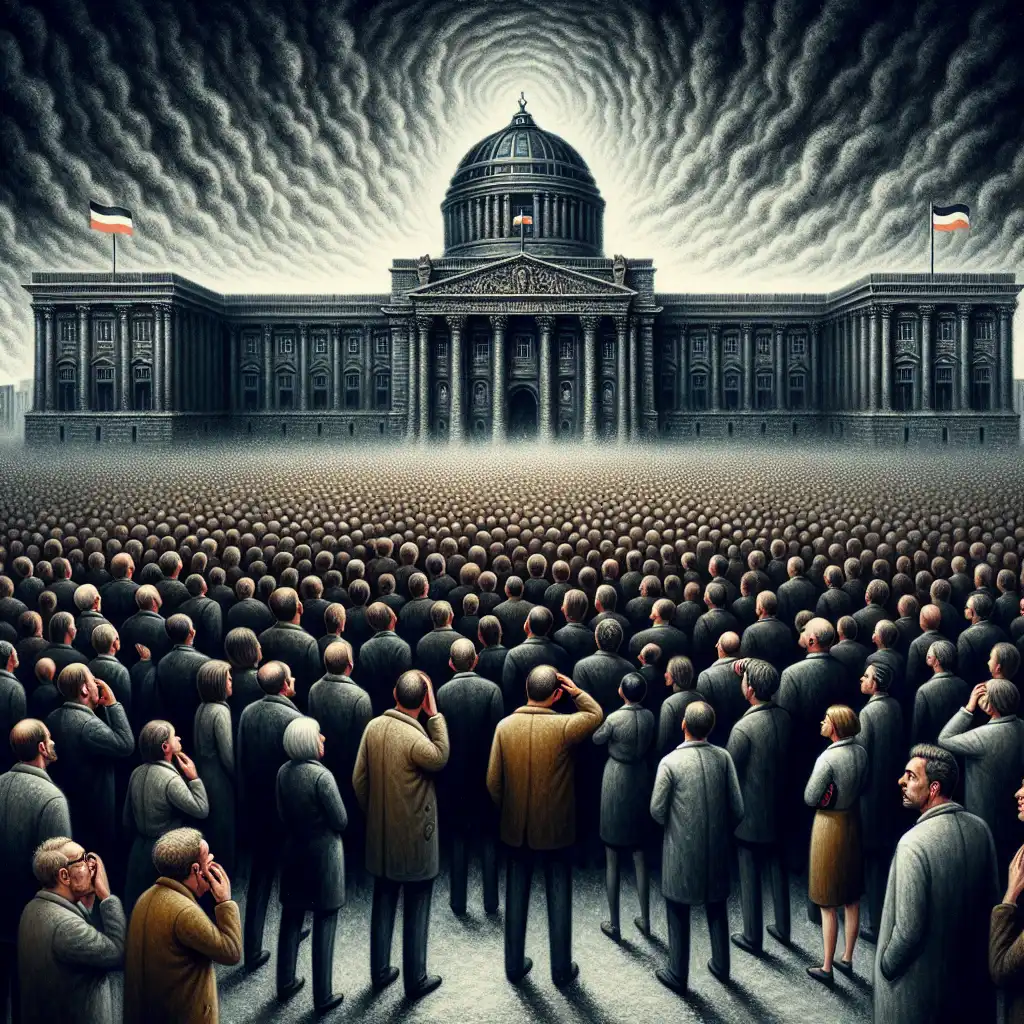
Describing something or someone that is deliberately preventing the facts or the full details of something from becoming known
The obscurantist policies of the government caused a lot of frustration among the citizens.
Không tải được âm thanh. Vui lòng thử lại sau.
The word 'obscurantist' refers to a person who intentionally tries to make things difficult to understand or purposely keeps knowledge in the dark. It is typically used to criticize someone who is hindering the spread of knowledge or promoting ignorance. This word is commonly used in academic and intellectual contexts, and is often associated with individuals or groups who resist progress or insist on maintaining outdated beliefs.
Antiquated refers to something that is old-fashioned or outdated, while obscurantist refers to someone who opposes or resists new or progressive ideas and knowledge, often to maintain traditional beliefs or power structures.
Antiquated is applicable to things like technology, clothing, or customs that have become obsolete or out of use over time.
Mở từ: Antiquated →Conservative refers to an individual or group that prefers to maintain traditional societal norms and values, and slow or resist change.
Mở từ: Conservative →Dogmatic refers to someone who is close-minded and firmly committed to their beliefs, even in the face of contradictory evidence.
Dogmatic people are rigid in their beliefs, while obscurantists obfuscate information.
Mở từ: Dogmatic →Enlighten means to provide knowledge or understanding to someone, usually in a positive manner. It is applicable when one wants to educate or inform someone about a certain topic, without any bias or intention to deceive.
Enlighten is used to indicate the sharing of knowledge and understanding, while obscurantist describes the opposite - the deliberate obstruction or manipulation of knowledge.
Mở từ: Enlighten →Prejudice refers to preconceived ideas or opinions about a person, group or thing that are not based on reason or actual experience.
Both words describe negative attitudes towards something or someone, but they are different in their application. Obscurantist is typically used to describe someone who purposely keeps information hidden, while prejudice is typically used to describe unreasonable or unfair attitudes towards individuals or groups based on their characteristics.
Mở từ: Prejudice →Reactionary refers to someone who wants to go back to the way things used to be, especially when it comes to political or social changes.
Both words can describe people who resist change, but obscurantists tend to do so by withholding information or making it hard to understand, while reactionaries tend to do so by resisting new ideas and going back to old ways of thinking.
Mở từ: Reactionary →Skeptical refers to someone who questions or doubts claims, theories, or ideas until there is sufficient evidence to support them.
An obscurantist tries to hide the truth, while a skeptical person seeks evidence and truth before believing something.
Mở từ: Skeptical →Traditional refers to things that have been done in a certain way for a long time and are widely accepted.
It can relate to culture, beliefs, or practices. For example, traditional Christmas carols, traditional dance forms, traditional food, etc.
The difference between the two is that traditional is generally positive, referring to things that have stood the test of time and are valued in a particular culture, while obscurantist is negative, suggesting opposition to progress and the suppression of knowledge.
Mở từ: Traditional →We are living in a globalised world and most of us are worried stiff about powerful interest groups steadily pushing India towards obscurantist and fundamentalist beliefs and regressive economic policies.
Quotations are useful in periods of ignorance or obscurantist beliefs.
To embrace Hindutva is to embrace an obscurantist, backward looking, divisive ideology that seeks to polarise society through identity politics.