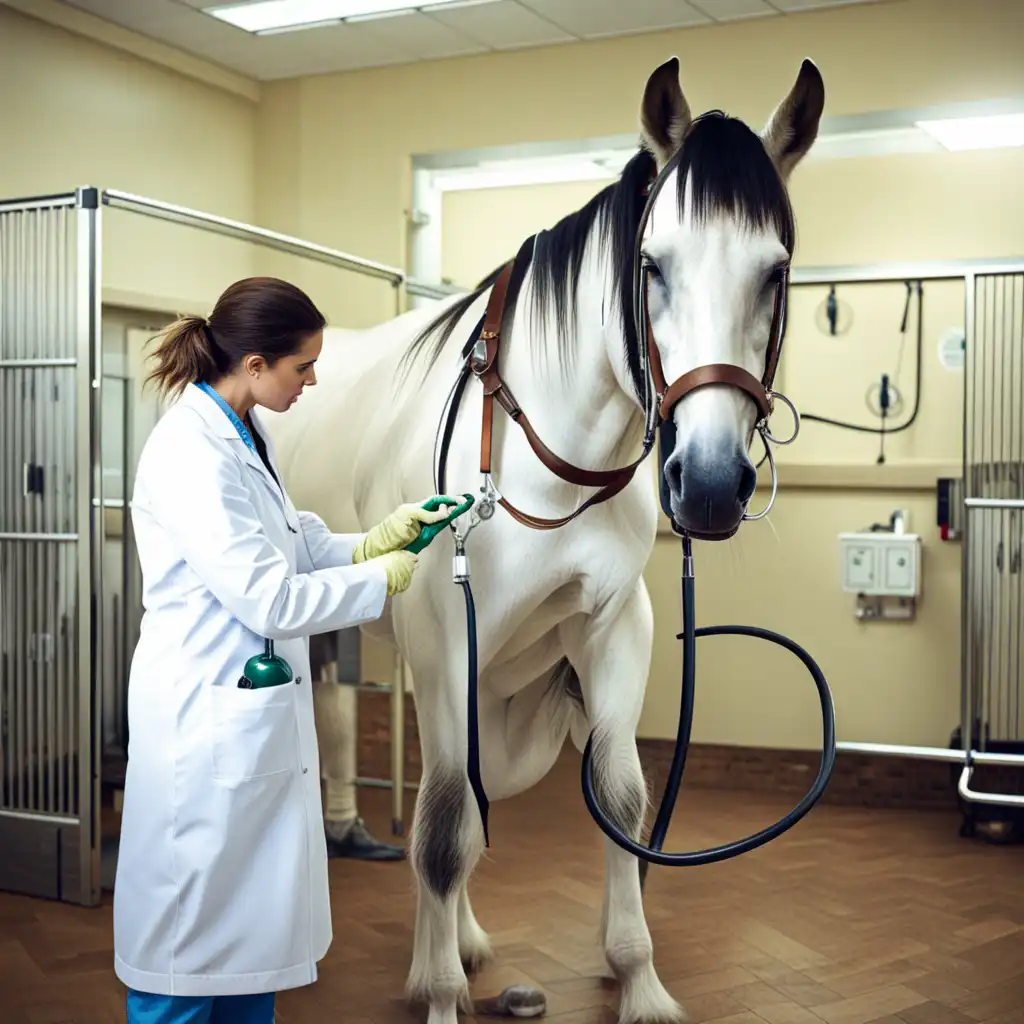
equine
adjective equine
ˈiːkwaɪn
Related to or resembling a horse or horses.
The veterinarian specialized in equine care.
equine
ˈiːkwaɪn
読み込み中…
ˈiːkwaɪn
Related to or resembling a horse or horses.
The veterinarian specialized in equine care.

ˈiːkwaɪn
A horse or other member of the horse family.
The field was populated by several equines.
音声を読み込めませんでした。しばらくしてからもう一度お試しください。
The word 'equine' refers to anything related to horses. It can be used when talking about horse breeds, horse anatomy or any other horse-related topic. For example, you can say "I love equine sports" to indicate a love for horse-based activities such as racing or jumping. 'Equine' can be used as an adjective to describe things related to horses, such as "equine medicine" or "equine nutrition." It is a formal word and may not be commonly used in everyday conversation.
Colt refers to a young male horse, typically under the age of four. It is a specific term for a certain age and gender of horse.
Colt describes a specific type of horse based on age and gender, while equine is a broader term that includes all members of the horse family.
単語を開く: Colt →Equine refers to any animal belonging to the horse family, which includes horses, donkeys, and zebras. Filly specifically refers to a young female horse.
In other words, all fillies are equines, but not all equines are fillies. If you want to talk about the horse family as a whole, then use equine, but if you want to talk about a young female horse, then use filly.
単語を開く: Filly →Gelding is a term used to describe a male horse that has been castrated, which means its reproductive organs have been removed.
So while equine can refer to any animal from the horse family, gelding specifically refers to a male horse that has been castrated.
単語を開く: Gelding →Equine is a more technical term used to refer to the entire family of animals that includes horses, donkeys, and zebras.
Horse specifically refers to the animal within the equine family that is used for riding, racing, or other purposes. In simpler terms, equine is a broad term that encompasses horses and other similar animals, while horse is a specific term used to describe the animal that people usually ride or work with.
単語を開く: Horse →Equine is a general term for all horses, including both male and female. Mare specifically refers to a female horse who is four years or older.
So, while equine can refer to both male and female horses, mare only refers to female horses who are four or older.
単語を開く: Mare →Equine refers to any animal belonging to the horse family, including horses, ponies, and donkeys. It is a more general term that doesn't necessarily specify the type or size of the animal in question.
Pony specifically refers to a small breed of horse that is usually less than 14.2 hands (4 feet 10 inches) tall at the shoulder.
Ponies tend to be stockier and more compact than horses and are often used for riding by children.
Equine is a broader term that encompasses all horses, while pony refers specifically to a small breed of horse.
単語を開く: Pony →Stallion refers specifically to a male horse that has not been castrated. It is a more specific term used to distinguish male horses from female horses, known as mares.
Equine refers to any animal of the horse family, while stallion refers specifically to a male horse that has not been castrated.
単語を開く: Stallion →The term steed specifically refers to a horse that is trained for riding, particularly in a medieval or fantasy context.
Equine is applicable for any animal that fits into the horse family, while steed is applicable specifically when referring to a trained and ridden horse in a fictional or historical context.
単語を開く: Steed →Peek Inside the Strange,...
YouTube で見る ↗Nothing is more important than the health and safety of our equine and human athletes, and nothing impacts their health and safety more than the policies and procedures concerning drugs.
Barbara Natterson-Horowit...
YouTube で見る ↗It's just like with people. You're going to get along better working with them - human or equine - if you ask politely rather than demand that they do things.