bystander
noun bystander
ˈbaɪstændər
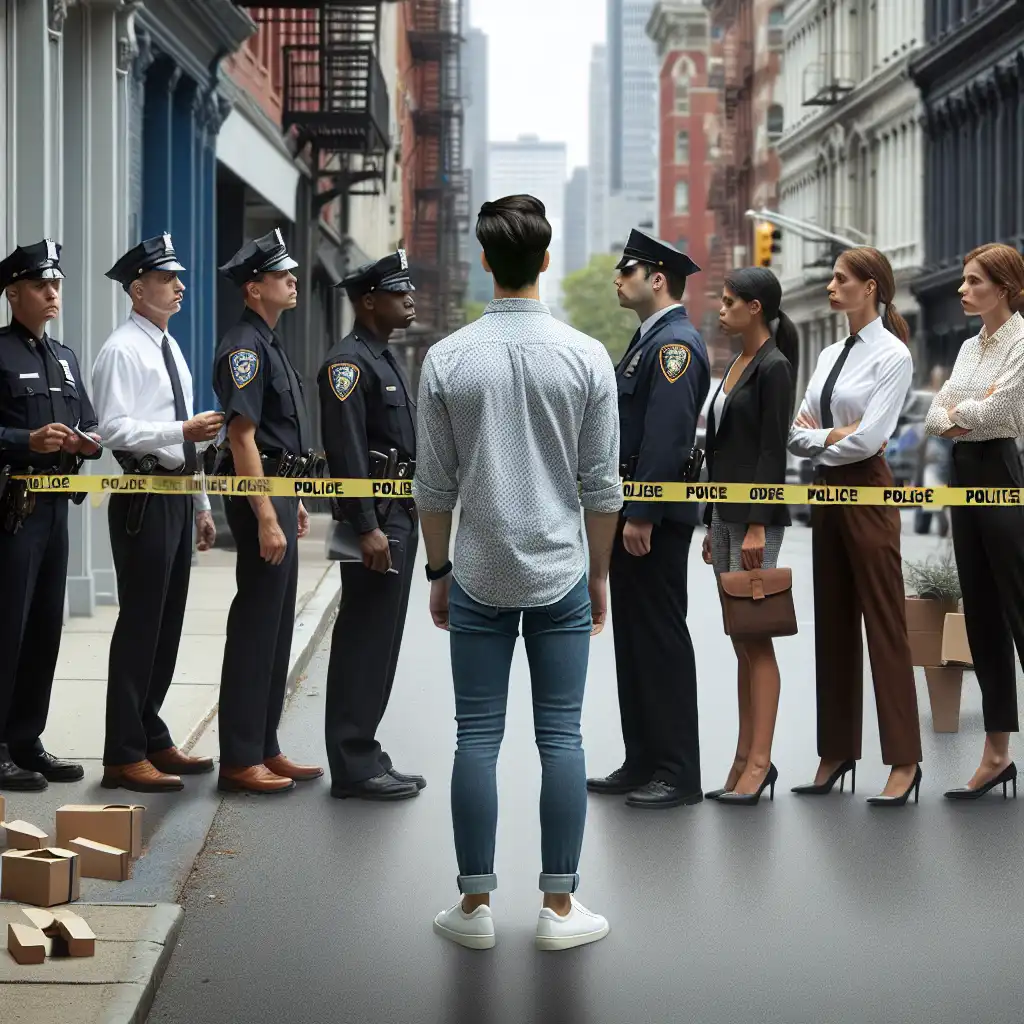
A person who is present at an event or incident but doesn't participate in it.
The police asked the bystanders if they had seen what happened.
bystander
ˈbaɪstændər
Loading…
ˈbaɪstændər
A person who is present at an event or incident but doesn't participate in it.
The police asked the bystanders if they had seen what happened.
ˈbaɪstændər
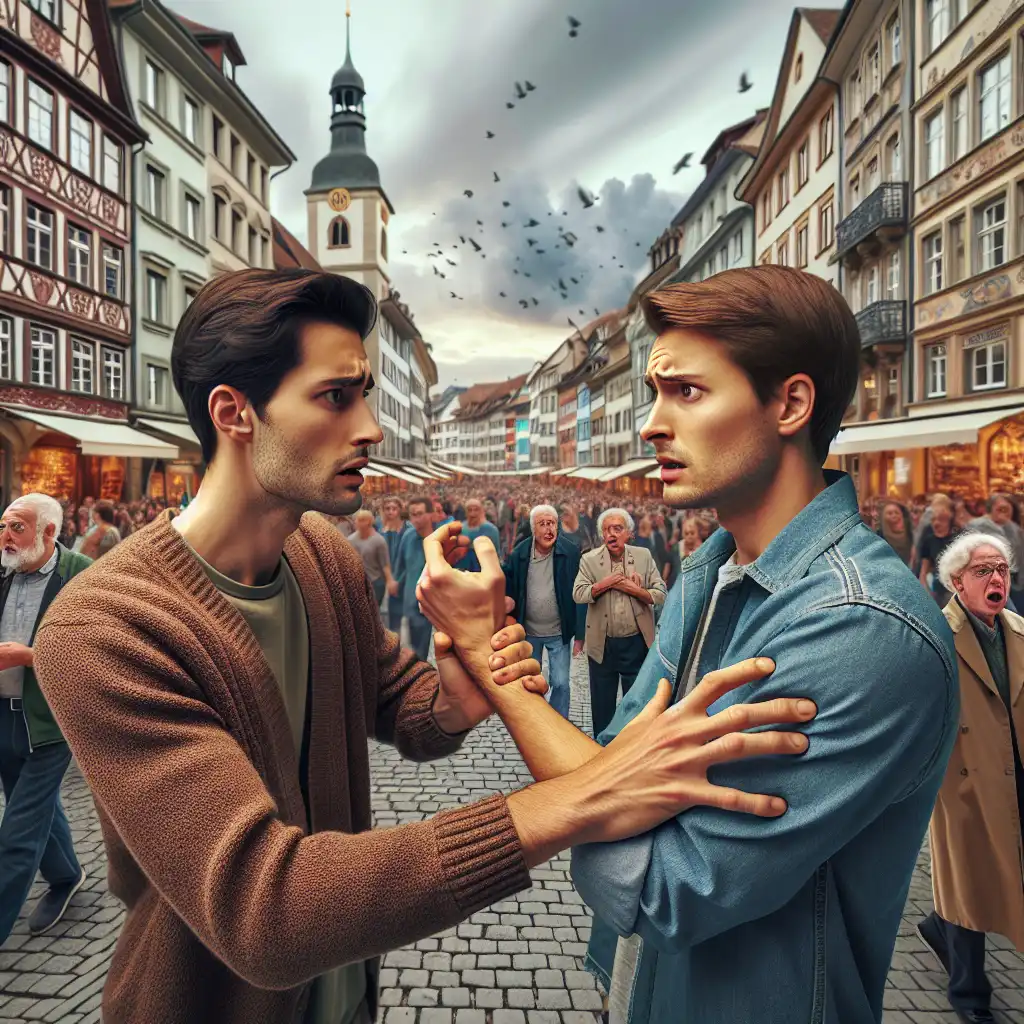
A person who is not directly involved but could be affected by the action of others.
In the fight, a bystander was accidentally injured.
Audio could not be loaded. Please try again later.
A bystander is a person who is present during an event but is not directly involved in it. For example, if there is a fight going on in the street and you are just watching, you are a bystander. The word is often used in the context of witnessing something and not taking action to help or prevent it. Bystanders can play an important role in situations like bullying, where speaking up can make a difference.
Behold means to look at something with great interest or awe, often used to express admiration or wonder. For example, you might say "behold the beauty of the sunset" when you see a particularly stunning sunset.
Behold is used when talking about looking at something with admiration, while bystander refers to someone who is simply present but not actively participating in an event.
Open word: Behold →Look means to direct one's gaze towards something or someone. It implies actively paying attention to what you are looking at.
Bystander describes a person while look describes an action.
Look is applicable whenever you want to direct your attention towards something. For example, when you want to read a book, you look at the words on the page.
Open word: Look →An observer can also witness an event, but they may be more actively engaged in observing, taking notes or collecting data.
An observer might be someone watching a scientific experiment and taking notes on what they see.
The main difference between the two words is that a bystander is a passive onlooker, while an observer is more actively engaged in watching or gathering information.
Open word: Observer →Both bystander and onlooker refer to someone who is observing an event or situation.
An onlooker is simply someone who is watching from a distance without any obligation or ability to take action.
If someone is watching a parade from the sidewalk, they are an onlooker.
Onlooker is used in a more general sense, often referring to someone observing a performance or event.
Open word: Onlooker →A spectator is a person who is watching an event or performance for entertainment or enjoyment. They are usually not near the action and are there by choice.
For example, if someone attends a sports game or a theater show, they are considered a spectator.
A bystander is someone who happens to be nearby during an event whereas a spectator is someone who has chosen to watch an event.
Open word: Spectator →A viewer is someone who is watching something, usually for entertainment or information. For example, someone who is watching a movie or a TV show is a viewer.
Viewer does not have any particular connotation - it simply means someone who is watching.
A viewer is someone who is watching something, usually without any particular connotation.
Open word: Viewer →Watch means to keep an eye on or observe something with the intention of being alert and aware of any changes or developments.
Watching implies being actively engaged in the process of observing, often with a specific purpose or interest in mind.
You might watch a sports game or a movie, for example, or watch a baby to make sure they are safe.
A bystander is someone who is passive and observes from a distance, while to watch implies a more active engagement with the act of observing.
Open word: Watch →A witness is someone who has seen or heard something important in regards to an event and can provide information about it.
For example, someone who saw a hit-and-run accident happen and can provide a description of the car or the driver is a witness.
A bystander is someone who observes an event but does not participate or provide information while a witness is someone who provides information about an event they have witnessed.
Open word: Witness →And then of course we have the bystander. And how do you get these three different characters within the family? It's kind of fascinating to think that elephants really are just like us. And so I got curious about this and I thought "Well what if you measure
Watch on YouTube ↗You have to figure out how you can step forward and affect your own life. I think that sense of empowerment is actually really positive, specifically for the young generation because they've been bystanders in their own lives for a while.
says that even in small numbers, when there's consistency over time, change can happen. In the online world we can foster minority influence by becoming upstanders. To become an upstander means instead of bystander apathy,
Watch on YouTube ↗When I was a teacher, I definitely noticed bullying happening, and I noticed people choosing to be quiet when they should speak up. And so for me, as a teacher, it wasn't just about advocating for students who were being picked on but trying to teach the bystanders how to speak up and not be afraid.
now her left thigh is being skewered by the Bears Massud canines with handlers minutes away bystanders ripoff tree branches and try to save the helpless woman now grab a branch and take the place of a
Watch on YouTube ↗My job is to protect the safety of everyone... protesters, counter-protesters, and bystanders alike.
going to make a decision will I be a perpetrator a bystander or someone who's part of the solution and each time you make that decision and whichever role you will play you're exercising a muscle and like any muscle
Watch on YouTube ↗I didn't want to get into acting just to play bystanders. I feel a bystander enough in my own life. And I do think that theatre can contribute to a certain analysis and commentary on our own world.
in our families and our friendship circles and every other way. So there's so many reasons why we need men to speak out. It seems obvious saying it out loud doesn't it? Now the nature of the work that I do and my colleagues do in the sports culture and the US military in schools, we pioneered this approach called the bystander approach
Watch on YouTube ↗New York is a wonderful place to shoot. The bystanders are great. They are enthusiastic. They respect the process, and you get the energy of the city.
to bystanders in the workplace regarding sexual harassment -- to recognize and interrupt these incidences; to confront the perpetrators to their face; to help and protect the victims. This is my shout-out to
Watch on YouTube ↗I've never had Internet access. Actually, I have looked at things on other people's computers as a bystander. A few times in my life I've opened email accounts, twice actually, but it's something I don't want in my life right now.
as something that will create the impression that there will be political cost, there will be a political price to be paid, for allowing genocide for not having an heroic imagination, for not being an upstander but for being in fact a bystander.
Watch on YouTube ↗Business leaders cannot be bystanders.
that in an emergency can be quickly separated into a pair of protective face masks. One to save your life, one to save the life of some lucky bystander.
Watch on YouTube ↗Recounting their histories, people often sound like interested bystanders to their own lives.
What happens if I fall over the side? Stop being a bystander in your own life, stop looking at what you're doing and start taking part." This day for me was the day that my whole life started. I learned to navigate in two days -- and this is someone who hates numbers and sees them as hieroglyphics.
Watch on YouTube ↗What people fear most about tragedy is its randomness - a taxi cab jumps the curb and hits a pedestrian, a gun misfires and kills a bystander. Better to have some rational cause and effect between incident and injury. And if cause and effect aren't possible, better that there at least be some reward for all the suffering.
engaging in that kind of behavior. So why are the stakes higher for this? Well this could also be a bystander at a rally who managed to record a video of a police officer beating a non-violent protester who's trying to let the world know what's happening.
Watch on YouTube ↗America has this fascination with glorifying the villain and not talking about the trials and tribulations. We tell the story of the successful villain a lot of times, but we don't tell the story of the people who don't come out so successful, and we don't tell the story of all the bystanders of that choice.