valency
noun valency
ˈveɪlənsi
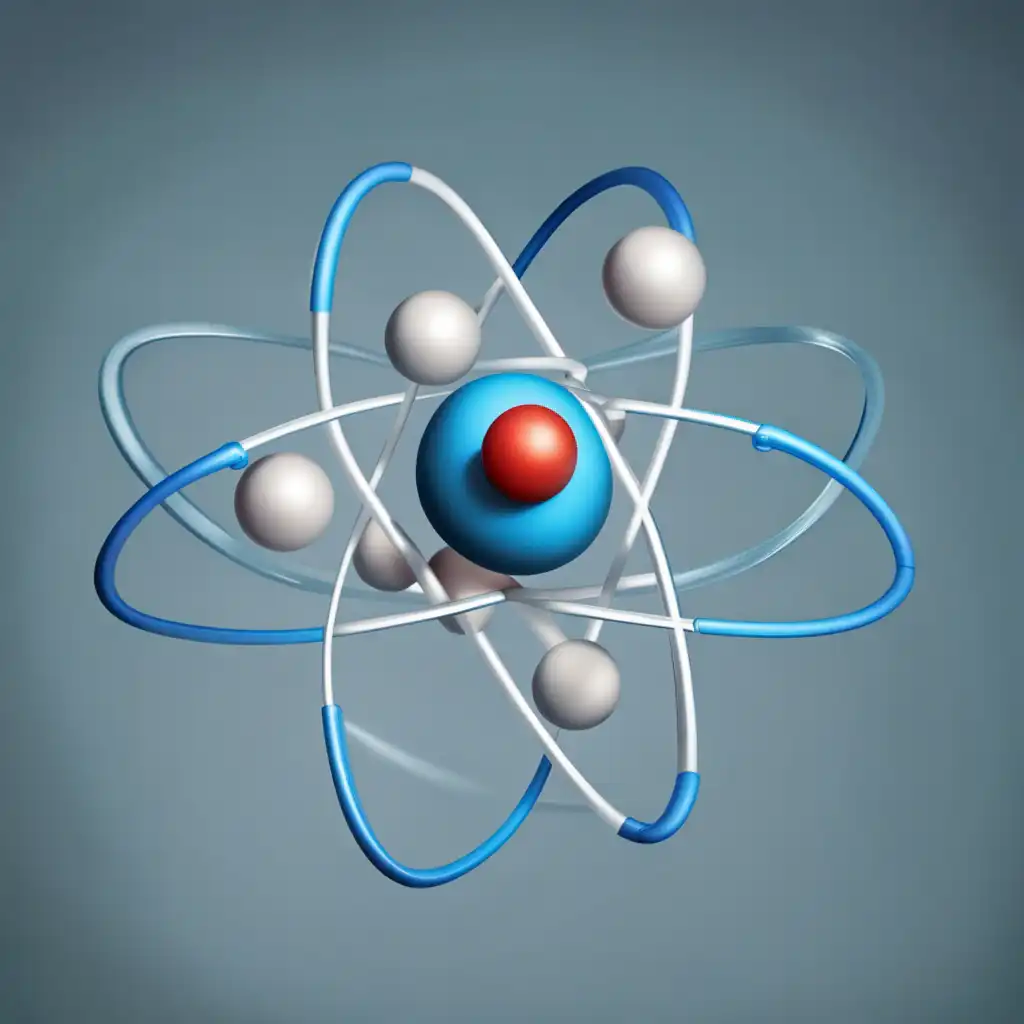
The ability of an atom to bond with other atoms.
The valency of hydrogen is one, because it forms bonds with one other atom.
valency
ˈveɪlənsi
Chargement…
ˈveɪlənsi
The ability of an atom to bond with other atoms.
The valency of hydrogen is one, because it forms bonds with one other atom.

ˈveɪlənsi
The number of arguments or expressions with which a function or a predicate has a relationship in linguistics.
In the sentence 'I gave her a gift.', the verb 'give' has a valency of three.

ˈveɪlənsi
The degree of attractiveness or influence of an individual or an entity in psychology.
The celebrity's high valency in the public eye made their endorsement highly sought after.
Impossible de charger l’audio. Réessayez plus tard.
Valency is a term used in chemistry that refers to the ability of an atom or molecule to combine with other atoms or molecules by forming chemical bonds. It is a measure of how many bonds an atom or molecule can form with other atoms or molecules. In other words, it is the capacity of an element to bond or react with other elements. For example, carbon has a valency of four because it can form up to four bonds with other atoms or molecules. This term is often used when describing chemical reactions or when discussing the properties and behavior of different elements and compounds.
Catalytic oxidation in living substances rests upon change of valency in an iron compound which is the respiratory oxygen-transferring ferment.