
transmute
verb transmute
trænzˈmjuːt
To change something in form, nature, or substance into something else
The base metals were believed to be transmuted into gold
transmute
trænzˈmjuːt
Loading…
trænzˈmjuːt
To change something in form, nature, or substance into something else
The base metals were believed to be transmuted into gold
trænzˈmjuːt
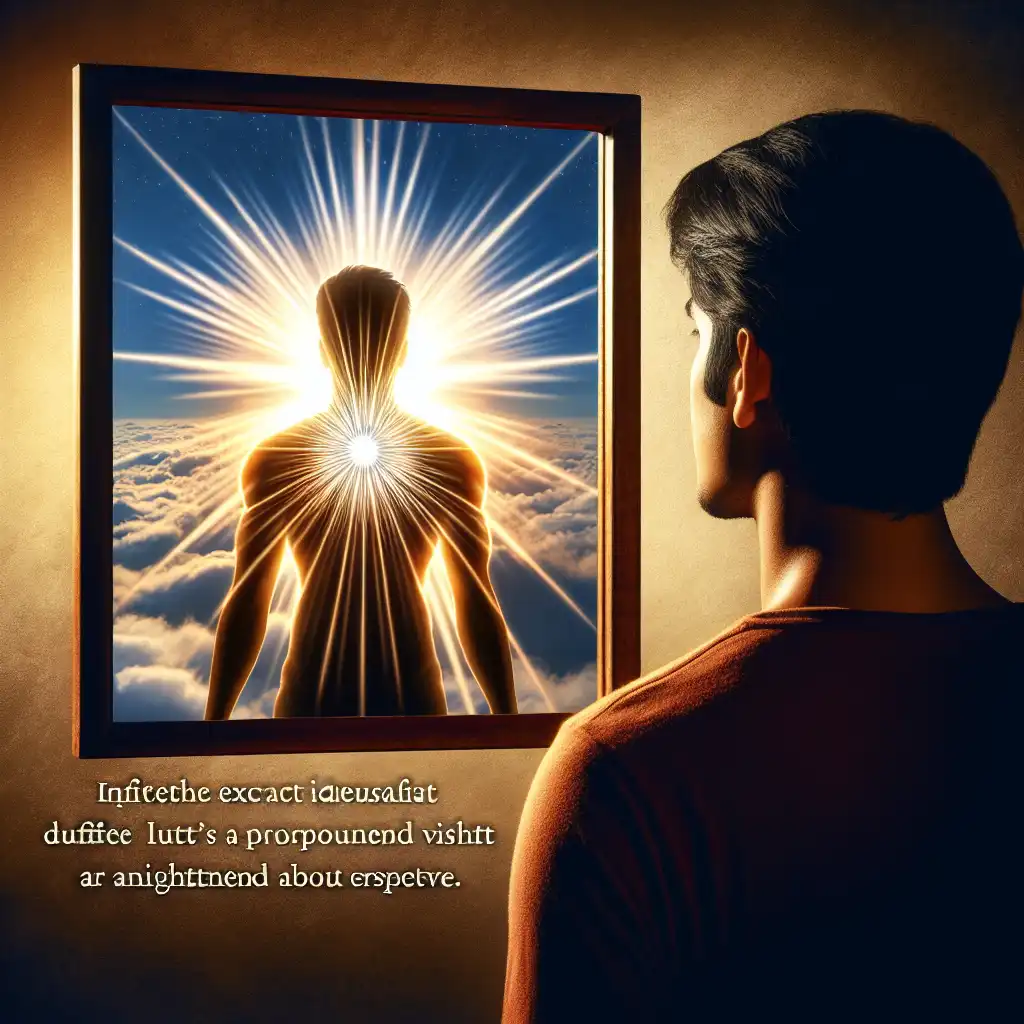
To change or alter in a profound or radical manner
The experience transmuted his perspective about life
trænzˈmjuːt
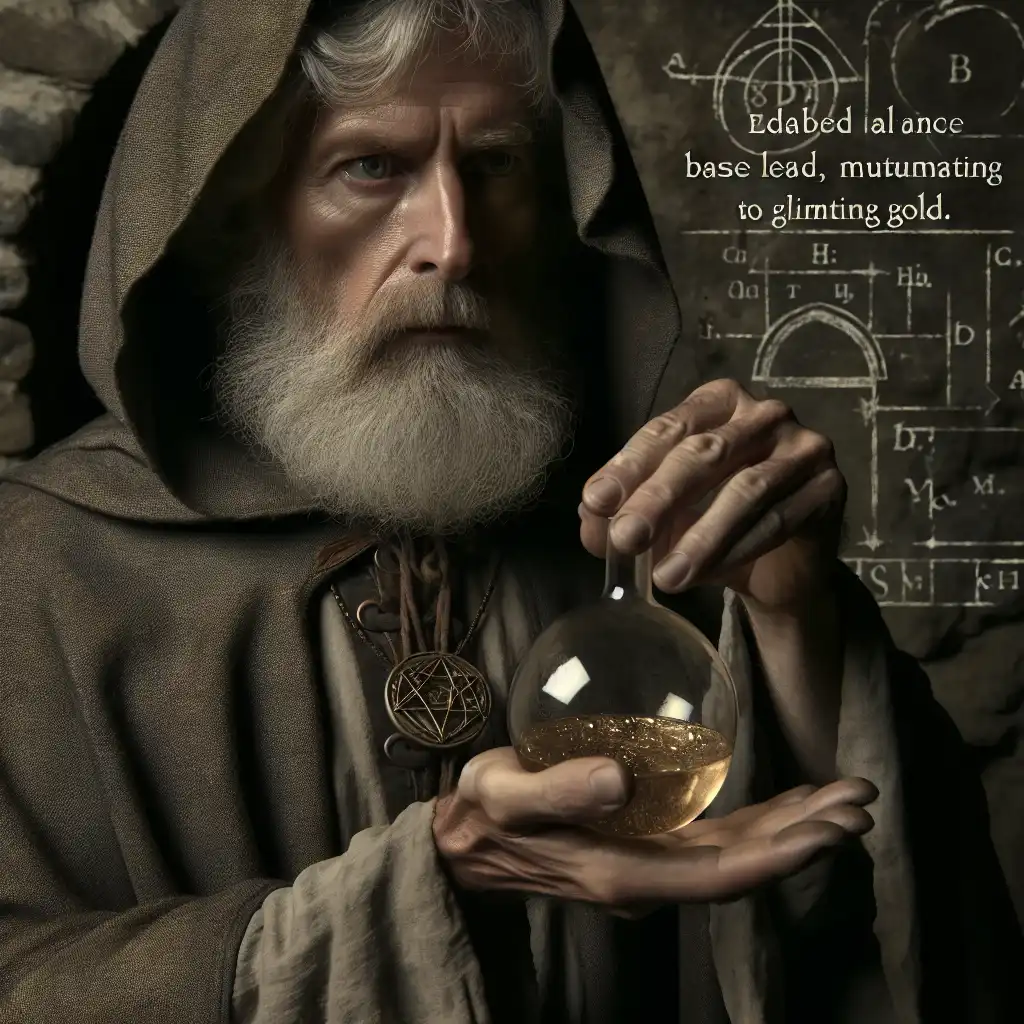
In alchemy, to change a base metal into gold or silver
The ancient alchemists sought a way to transmute lead into gold
Audio could not be loaded. Please try again later.
The word 'transmute' means to change something completely into a different form or substance. It is often used in scientific contexts, such as in chemistry or physics, where one substance is transformed into another. However, it can also be used in metaphorical contexts, like transforming negative thoughts into positive ones or transforming oneself through personal growth. It is a word that suggests a profound and significant change.
Alter means to change something slightly or make minor adjustments, while transmute means to change something completely, often changing its form or nature entirely.
For example, if you add sugar to your coffee, you are altering its taste slightly. If you were to turn your coffee into tea, that would be transmuting it.
Alter is applicable when you want to make small adjustments to something to improve it in some way, while transmute is applicable when you want to completely transform something into something else entirely.
Open word: Alter →Change refers to any alteration or modification that occurs in something.
It can be a small or big shift affecting the state, form, or quality of something. Change is a general term that can apply to anything, from a minor adjustment to a major transformation.
Transmute is a specific type of change where something is transformed into something else entirely, often in a significant and fundamental way.
Transmute refers to a change where the basic inherent nature or substance of the object or material is transformed. The change is much more profound and usually happens at a molecular level.
Change can be used to refer to any alteration that occurs, while transmute describes a type of change that is more profound and transforms the original int something new.
Open word: Change →The words convert and transmute both refer to changing something from one form or state to another.
However, convert is generally used to describe a change from one thing to another similar thing (e.g. converting dollars into euros), while transmute often implies a more dramatic or profound change (e.g.
Convert can be applied in everyday situations where there is a change of form or state, such as changing currency or converting a recipe from cups to grams.
Open word: Convert →Metamorphose and transmute both mean to transform or change, but they typically refer to different types of changes.
Metamorphose usually refers to a complete and dramatic transformation. For example, a caterpillar metamorphoses into a butterfly, which is a very different form.
Metamorphose is typically used for more dramatic and complete changes, while transmute is used when talking about changes in substance or nature.
Open word: Metamorphose →The words morph and transmute both mean to change from one form to another.
However, morph usually refers to a gradual or natural change, such as a caterpillar morphing into a butterfly. Transmute often refers to a sudden or intentional change, such as turning lead into gold.
Morph is more commonly used in everyday language, while transmute is often used in scientific or alchemical contexts.
Open word: Morph →Both words refer to a change in form or composition, but mutate refers to a natural change usually brought about by genetic mutation (like in evolution), while transmute refers to a deliberate change of one thing into another (like turning lead into gold).
In simpler terms, mutate is when things change by themselves (like how animals evolve over time) and transmute is when someone deliberately makes something change (like in a science experiment).
Open word: Mutate →Transfigure means to transform or change the form or appearance of something or someone completely.
It is typically used in a more spiritual or religious context, such as when Jesus was transfigured in front of his disciples.
Transfigure describes a change in appearance or form, while transmute describes a change in substance or nature.
Open word: Transfigure →The words transform and transmute both refer to a change, but they are used in different ways.
Transform means to change something from one form to another. For example, a caterpillar transforms into a butterfly.
The transformation involves a change in appearance, behavior, and function.
Transform is applicable when something changes in form, appearance, or function, while transmute is applicable when something changes in substance.
Open word: Transform →Design at the...
Watch on YouTube ↗The biographical novel is a true and documented story of one human being's journey across the face of the years, transmuted from the raw material of life into the delight and purity of an authentic art form.
Mysteries of vernacular:...
Watch on YouTube ↗Anger is a great force. If you control it, it can be transmuted into a power which can move the whole world.
In the final analysis, the questions of why bad things happen to good people transmutes itself into some very different questions, no longer asking why something happened, but asking how we will respond, what we intend to do now that it happened.
I like to think of synthetic biology as liquid alchemy, only instead of transmuting precious metals, you're synthesizing new biological functionality inside very small channels. It's called microfluidics.
Evil exists to glorify the good. Evil is negative good. It is a relative term. Evil can be transmuted into good. What is evil to one at one time, becomes good at another time to somebody else.
Our task, of course, is to transmute the anger that is affliction into the anger that is determination to bring about change. I think, in fact, that one could give that as a definition of revolution.
None but a poet can write a tragedy. For tragedy is nothing less than pain transmuted into exaltation by the alchemy of poetry.
I'm not a xenophobe - I think immigration is a good thing for most countries - but they transmute the foibles of their native tongues into English in a way that's difficult to figure out.
Read with care, George Orwell's diaries, from the years 1931 to 1949, can greatly enrich our understanding of how Orwell transmuted the raw material of everyday experience into some of his best-known novels and polemics.
You don't just magically flip some evolutionary switch somewhere and transmute a quadruped into an upright-walking bipedal human.