pulpy
adjective pulpy
ˈpʌlpi
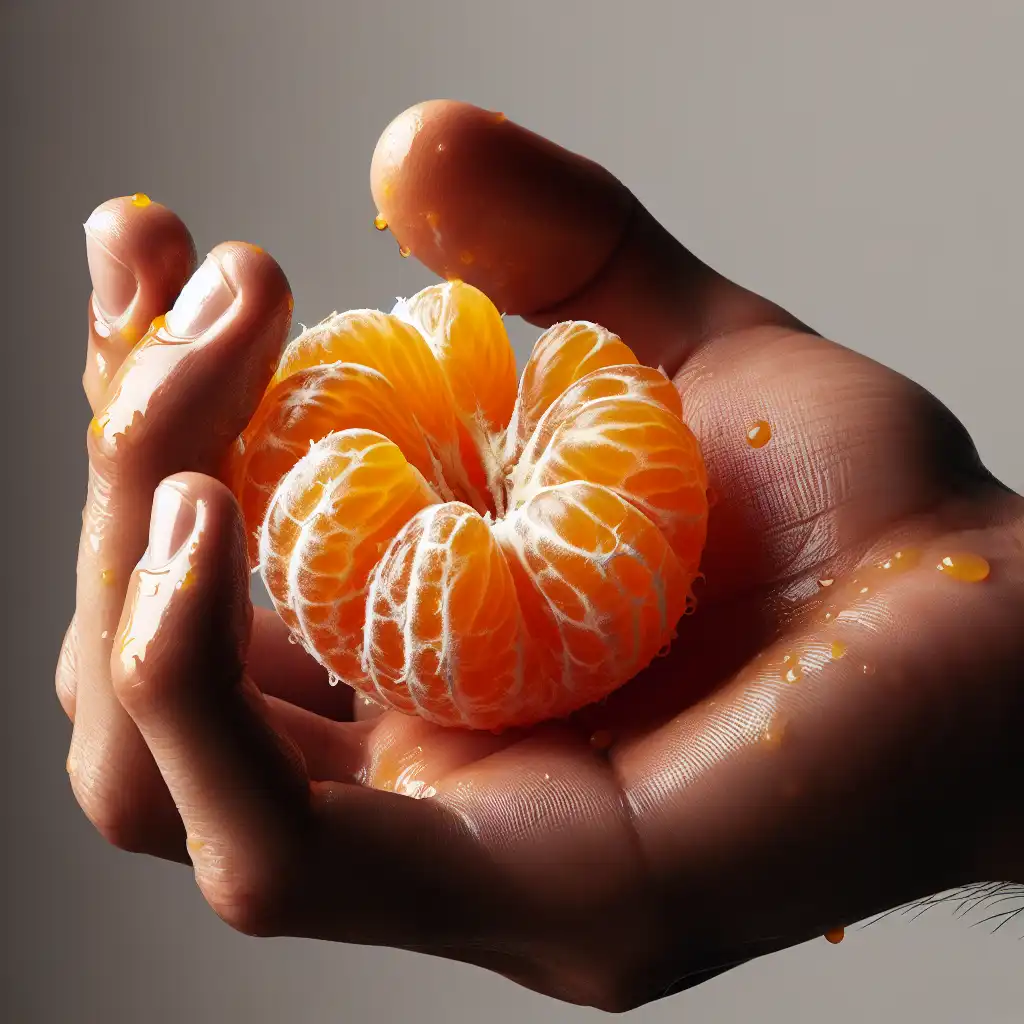
Having texture similar to a soft, moist, often juicy, mass.
The orange was so ripe it was pulpy and delicious.
pulpy
ˈpʌlpi
Đang tải…
ˈpʌlpi
Having texture similar to a soft, moist, often juicy, mass.
The orange was so ripe it was pulpy and delicious.

ˈpʌlpi
Related to a genre of lurid, crude literature or display.
The pulpy detective novel was filled with scandalous drama and unexpected plot twists.
ˈpʌlpi
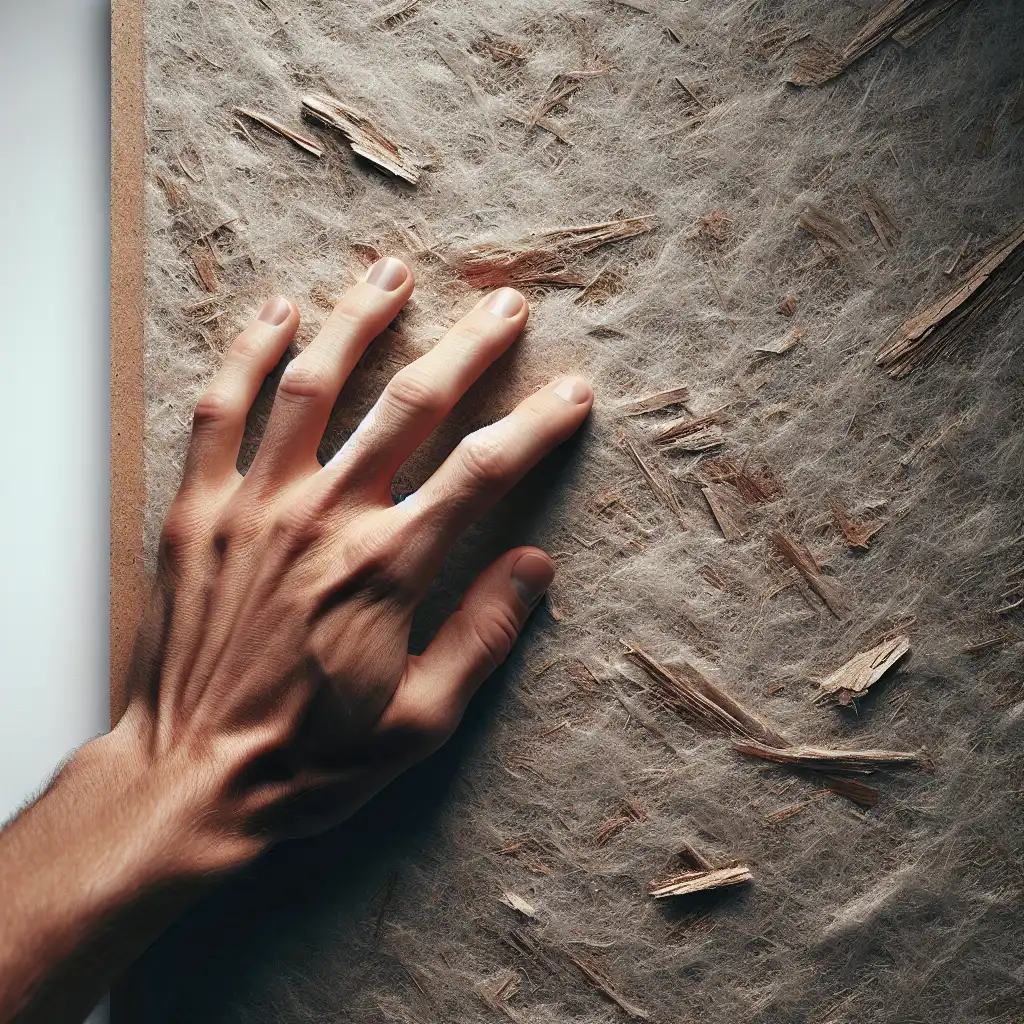
Regarding to paper produced out of pulp.
The pulpy paper was rough to the touch and had a natural, organic feel.
Không tải được âm thanh. Vui lòng thử lại sau.
The word 'pulpy' is used to describe something that has a lot of pulp, which is the soft, juicy part of fruits, vegetables, or plants. You can use this word to describe a fruit like an orange or a papaya that has a lot of pulp inside. You can also use it to describe a book or a movie that has a lot of action and excitement, but might not be very deep or meaningful. For example, you might say "I really enjoy reading pulpy mystery novels" or "That movie was pretty pulpy, but it was still entertaining."
Fleshy is most commonly used to describe something that is rich and full, such as a fruit that is juicy and has a lot of substance.
Fleshy is often used to describe something that is hearty and full-bodied, while pulpy describes something that is soft and mushy.
Mở từ: Fleshy →Juicy generally refers to something that contains a lot of liquid or moisture, while pulpy refers to something that contains a lot of soft, mushy pulp.
For example, a ripe watermelon could be described as juicy because it contains a lot of sweet, watery juice inside. A pulpy orange or grapefruit contains a lot of soft, mushy pulp inside each segment.
Juicy describes something that has a lot of liquid, while pulpy describes something that has a lot of soft, mushy material.
Mở từ: Juicy →Mash refers to something that has been crushed or mixed forcefully, resulting in a smooth consistency.
Mash is often used to describe food that has been mashed, such as potatoes or fruits.
In simple terms, Mash is used when things are completely smooth and mixed together, while pulpy is used when things are partially broken down or crushed into small pieces but still retain their texture.
Mở từ: Mash →Mushy describes something that is soft and almost gooey, like overcooked pasta or a rotten fruit.
It can also refer to something that is overly sentimental or emotional, like a romantic movie that makes you cry. Mushy is more commonly used to describe food or emotions.
Mushy describes the softness or tenderness of something, while pulpy describes the texture or content of something.
Mở từ: Mushy →Pulpy refers to something that is squishy and has a lot of pulp or fibers, usually like fruit pulp or even paper pulp. Soft on the other hand typically refers to something that is easy to press, bend or mold - like a pillow or a teddy bear.
Soft is typically used to describe something that is gentle and easy to the touch. For example, a stuffed animal is soft because it's easy to squeeze and cuddle.
A blanket might be described as soft because it feels pleasant to wrap around you.
Pulpy refers to something that has texture and roughness, while soft refers to something that is gentle and easy to the touch.
Mở từ: Soft →Spongy describes something that is porous and can absorb water, like a sponge or a damp piece of bread. It is applicable to things that have a lot of air pockets or gaps in their structure.
To simplify, pulpy is soft and mushy, while spongy absorbs water like a sponge.
Mở từ: Spongy →Squishy refers to something that can easily be squashed or flattened when pressure is applied, without necessarily having any small pieces to be chewed or swallowed.
For example, a sponge is squishy because it is soft and can be compressed easily.
Pulpy refers to a soft and moist texture with small or large pieces that require chewing, while squishy means something can be easily compressed or squeezed.
Mở từ: Squishy →Succulent usually refers to something that is juicy and flavorful, like a ripe grape or a piece of grilled chicken.
Pulpy usually refers to soft, juicy flesh or overly sentimental content, while succulent usually refers to juicy and flavorful food or plants with thick, fleshy leaves.
Mở từ: Succulent →Rachel Sussman: The...
Xem trên YouTube ↗Our long, flexible lumbar spines are great in many ways - they help us to run efficiently, for instance. But they have their drawbacks. The lumbar vertebrae are under great strain, and as we age, the ligaments that hold the pulpy centres of the intervertebral discs in place dry out.
I almost think of nerd brains as rattlesnake venom; like, you can milk it. You can milk the pulpy venom out of the nerd brain and use it for good if you want to.
The kind of stuff I usually read is a bit more on the literary side, like books that I think are influential in the sense that they're doing pulpy subject matter in a refined way. Like 'The Road' by Cormac McCarthy; I loved that book.
I have a graduate degree from Penn State. I studied at Penn State under a noted Hemingway scholar, Philip Young. I had an interest in thrillers, and it occurred to me that Hemingway wrote many action scenes: the war scenes in 'A Farewell to Arms' and 'For Whom the Bell Tolls' come to mind. But the scenes don't feel pulpy.