sepoy
noun sepoy
ˈsiːpɔɪ
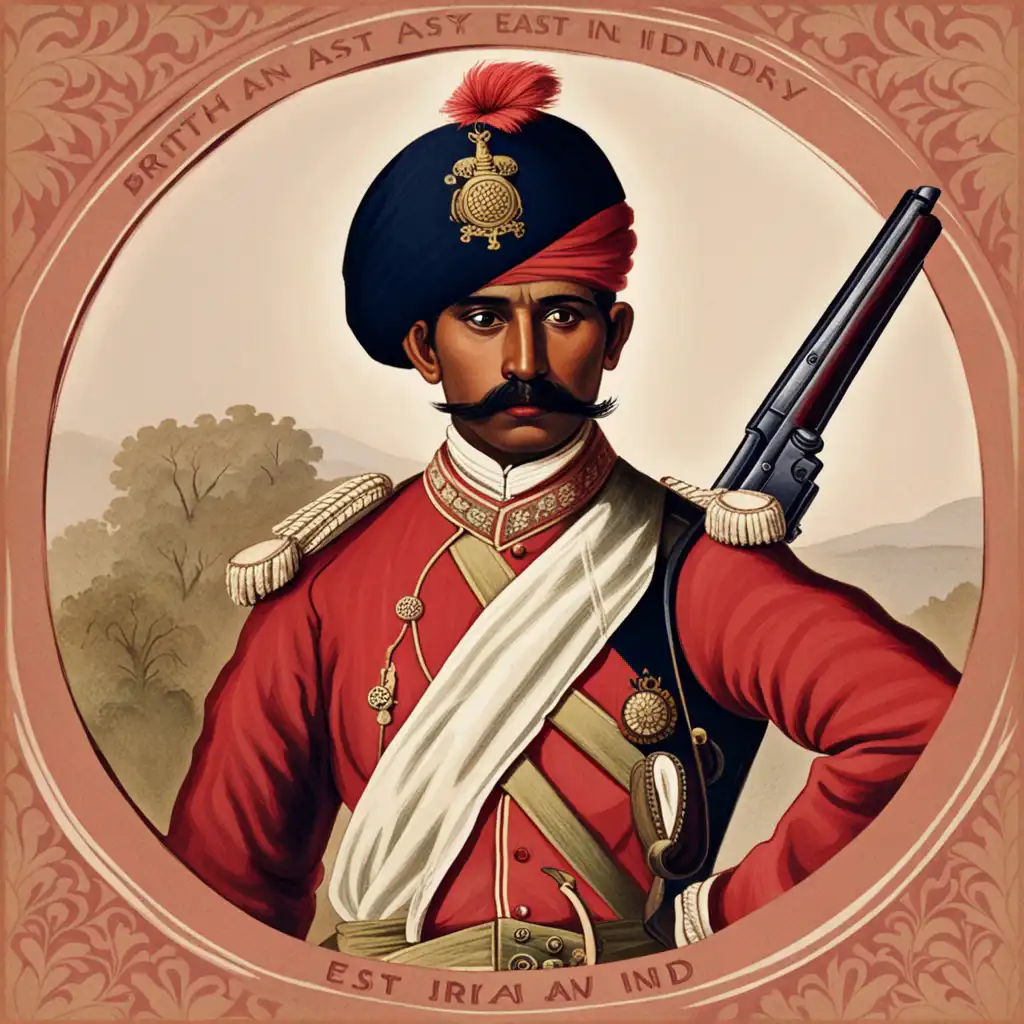
A native of India employed as a soldier by the British or European powers.
The British East India Company recruited sepoys from different parts of India.
sepoy
ˈsiːpɔɪ
読み込み中…
ˈsiːpɔɪ
A native of India employed as a soldier by the British or European powers.
The British East India Company recruited sepoys from different parts of India.
音声を読み込めませんでした。しばらくしてからもう一度お試しください。
Sepoy is a word commonly used in South Asian countries like India to refer to an Indian soldier who served in the British army during colonial times. The term is now outdated and potentially offensive to some, so it is important to be mindful of the context in which it is used. It is best to avoid using the term altogether and instead refer to soldiers by their specific rank or branch of service.
An infantryman is a soldier who fights on foot in a military unit primarily composed of such soldiers. They could be from any country or nation where such units are present.
Infantryman can refer to soldiers from various countries and time periods. Sepoy is a term used specifically for Indian soldiers who served under British command during the colonial period in India.
単語を開く: Infantryman →Sepoy refers to an Indian soldier serving in the British army or a native Indian infantryman. In contrast, the word trooper refers to a soldier who belongs to a cavalry or armored cavalry unit.
Sepoy is applicable to soldiers who served during the British colonial era in India, while trooper is applicable to soldiers serving in cavalry or armored units.
単語を開く: Trooper →I am a sepoy and will follow the guidance of my leaders.
I had joined the army as a sepoy in 1951.