
taster
noun taster
ˈteɪstər
A person who tastes food or drink for quality.
She works as a wine taster in the local winery.
taster
ˈteɪstər
Đang tải…
ˈteɪstər
A person who tastes food or drink for quality.
She works as a wine taster in the local winery.
ˈteɪstər
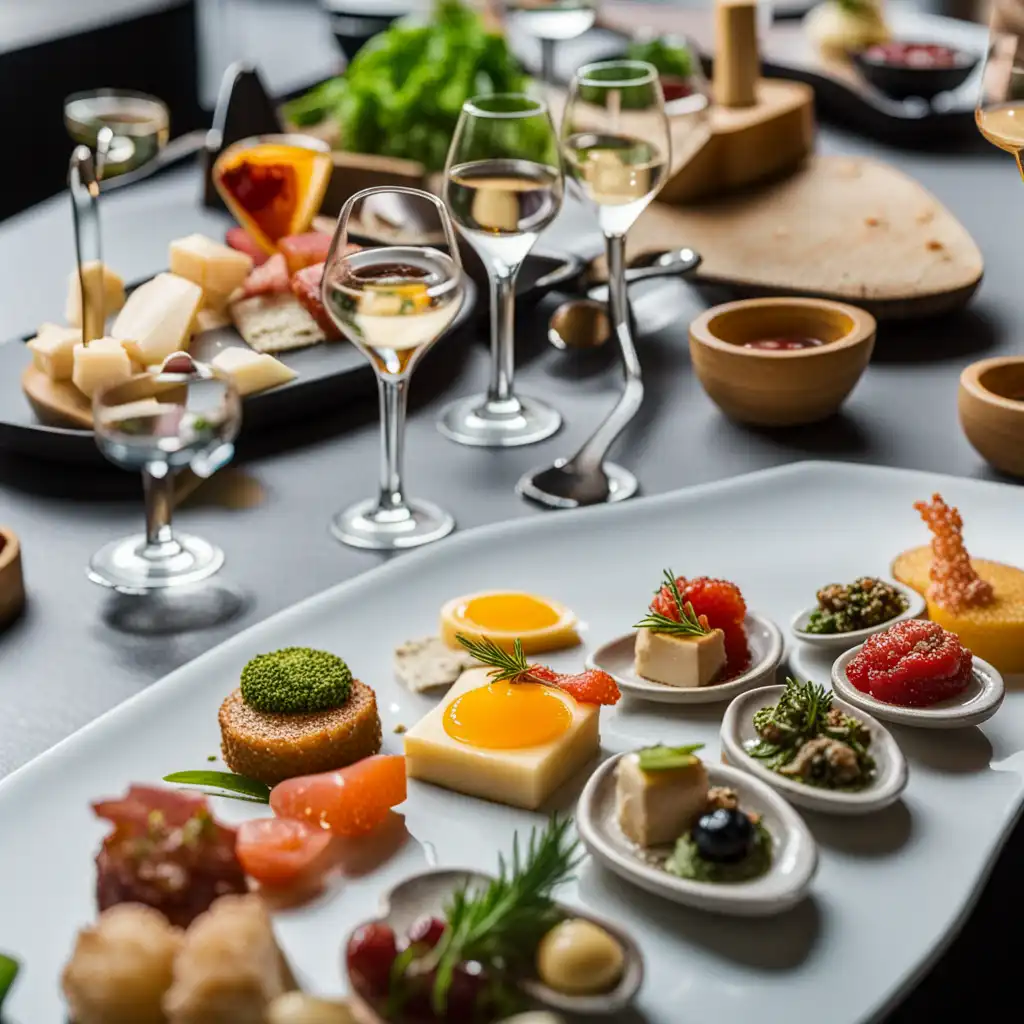
A small portion or sample of food, drink, or an experience, intended to be representative of the whole.
The restaurant offers a taster menu to try a variety of dishes.

ˈteɪstər
A person employed to test the quality of tea by tasting it.
His job as a tea taster requires a lot of traveling to tea farms.
Không tải được âm thanh. Vui lòng thử lại sau.
The word 'taster' is used to describe someone who tries a small amount of food or drink to see if they like it. It's often used in the context of tasting events, where people can try different types of food or drinks. For example, a wine taster might take a small sip of wine to see if they like the flavor. In general, a taster is someone who helps others decide whether they want to try something by providing feedback on its flavor or quality.
A connoisseur is someone who has a lot of knowledge and experience about a particular subject, especially art, music, or food.
They have trained their senses to recognize and appreciate the finest details of what they are experiencing. For example, a wine connoisseur can tell the difference between different types of wine and knows how to pair them with food in the best way.
A taster is someone who tries a small amount of something to evaluate its taste, quality, or other aspects. They may not have the same level of expertise or knowledge as a connoisseur, but they can still give their opinion on how something tastes.
A connoisseur is an expert in a particular field who has extensive knowledge and experience, while a taster is someone who tries things to give their opinion on their taste or quality.
Mở từ: Connoisseur →A critic is someone who evaluates and judges the quality or artistic merit of something, such as a movie, book, or performance.
A critic evaluates the overall quality or artistic merit of something, while a taster evaluates the taste and quality of food and drinks.
Critics are often used in the arts and entertainment industries, while tasters are used in the food and beverage industries.
Mở từ: Critic →Epicurean refers to someone who enjoys fine food and drink, as well as the finer things in life.
So essentially, an epicurean is someone who loves high-quality food and drink, while a taster is someone who tries different foods and drinks to evaluate them.
Mở từ: Epicurean →A foodie is someone who has a great interest in food, often trying new foods and exploring different cuisines. They may also have knowledge about cooking techniques and ingredients.
A foodie is someone who loves food and enjoys trying new things, while a taster evaluates food for quality and flavor in a professional context.
Mở từ: Foodie →Gourmet refers to a person who loves and has a sophisticated taste for food, wine, and other culinary delights.
Gourmet describes someone who enjoys and can distinguish fine food and has a discerning palate.
A gourmet is someone who appreciates quality cuisine and has a sophisticated palate, while a taster is someone who samples and evaluates food and drinks for quality assurance purposes.
Mở từ: Gourmet →A review is a detailed assessment or evaluation of something, such as a book, movie, or product. It typically involves discussing its strengths, weaknesses, and overall quality.
Reviews are commonly published online or in print media, and are meant to help consumers make informed decisions.
A taster refers to a small sample or preview of something, such as a food or drink. Tasters are often used to give consumers a sense of what a product is like before they commit to buying it.
A review is an in-depth analysis of something, while a taster is a small sample meant to give consumers a taste of what a product is like.
Mở từ: Review →A sampler is a small assortment or selection of different things, such as foods or fabrics, that are used to provide an example of the whole.
A sampler is typically used for testing or trying out a variety of products before making a purchase decisions, such as a fabric sampler used for picking out curtains or a sampler of chocolate to try different flavors.
A sampler is a collection of different items used for testing or trying out, whereas a taster is a person who samples food or drink in order to determine its quality.
Mở từ: Sampler →A test is an assessment or evaluation to determine the skills, knowledge, or abilities of a person or thing. It is applicable to education, employment, or any situation that requires a demonstration of competency.
A taster is someone who samples food or drink, while a test is an evaluation or assessment of skills or knowledge.
Mở từ: Test →So these are just small tasters into the insights that bonobo give us to our past and present. But they also hold a secret for our future, a future where we need to adapt to an increasingly challenging world
Xem trên YouTube ↗No scoring system is perfect, but a system that provides for flexibility in scores, if applied by the same taster without prejudice, can quantify different levels of wine quality and provide the reader with one professional's judgment.
them first before eating himself in the temples kitchen juh tudents wife is preparing lunch the rats are the official tasters so they can eat
Xem trên YouTube ↗It's best, I think, to treat stand-up comedy on the telly like tapas: small tasters of something you'd love a proper plate of.
I left school at 16 and my mother got me a job as a trainee wine taster. But one day I followed some girls into St Martin's art school and saw a voluptuous woman sitting on a stool being sketched. I decided to get myself fired.
Is deciding what you like an instinct, a sense that arrives as swiftly as my autoimmune response to cat dander? Or is it the result of reasoned consideration, the way wine tasters swish pinot noir around in their mouths, spit it out, and reach for complex metaphors about chocolate and tobacco?
My publisher, who was so good as a taster and editor, when she became a writer, lo and behold, it was all this feminine tosh.