blubber
noun blubber
ˈblʌbər
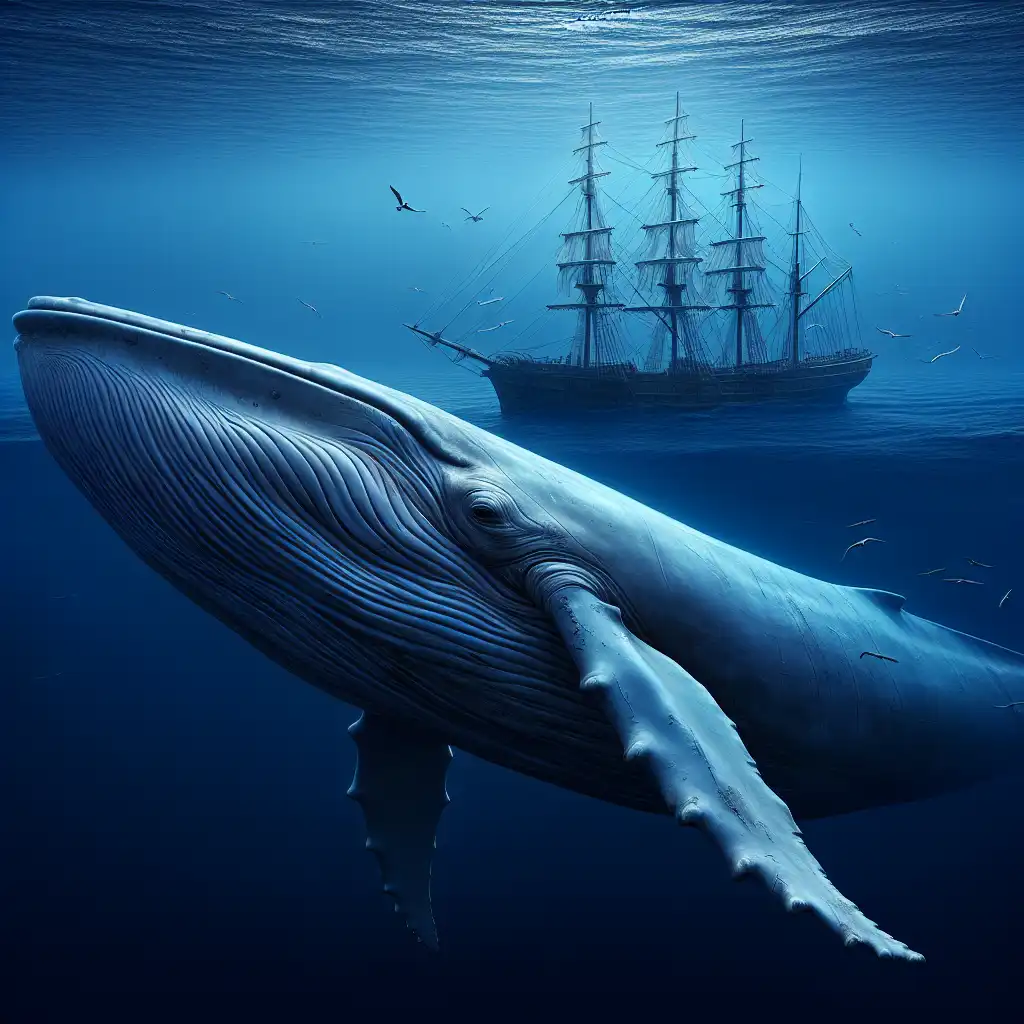
The fat of whales and some other sea animals
Whalers once hunted whales for their valuable blubber.
blubber
ˈblʌbər
Chargement…
ˈblʌbər
The fat of whales and some other sea animals
Whalers once hunted whales for their valuable blubber.

ˈblʌbər
To cry noisily and uncontrollably
He began to blubber like a child after losing his toy.

ˈblʌbər
Loud crying sound
We could hear the blubber of a child from the next room.

ˈblʌbər
A term used for excess body fat in humans
He needs to do more exercise to lose the blubber around his waist.
Impossible de charger l’audio. Réessayez plus tard.
The word 'blubber' refers to the layer of fat beneath the skin of whales or seals, which helps them stay warm in cold water. It can also be used as a noun to refer to the fatty tissue itself, or as a verb to describe the action of crying noisily and uncontrollably. In everyday English, 'blubber' is not a commonly used word, and is mostly associated with the world of marine biology or animal conservation.
Bawl means to cry loudly and passionately, often characterized by audible sobs and wails, while blubber means to cry while making sounds like sniffling, gasping, and shuddering.
Bawl is applicable when someone is crying very loudly or excessively, such as a child having a tantrum or someone who has just received devastating news.
Bawl is used for loud and passionate crying, and blubber is used for quiet but emotional crying.
Ouvrir le mot: Bawl →Blubber describes when someone is crying very loudly and uncontrollably with sobs and gasps. It often implies a sense of emotional immaturity or lack of control.
Cry is a more general term used to describe shedding tears or expressing sadness or pain through tears.
Blubber is a more specific and intense form of crying, often associated with immaturity, while cry is a more general term used to describe any form of shedding tears.
Ouvrir le mot: Cry →Howl refers to a loud, prolonged and eerie sound that animals such as wolves, dogs or coyotes make. It also describes a loud and mournful cry made by humans when they experience intense pain or grief.
Blubber describes a sound made during emotional distress and howl describes a loud and eerie sound made by animals and sometimes humans.
Ouvrir le mot: Howl →Snivel, on the other hand, refers to crying or sniffling in a whining or complaining manner.
Both words can describe someone who is crying, but the key difference is in the tone and intensity of the crying. Blubber is more intense and uncontrolled, while snivel is more subdued and complaining.
Ouvrir le mot: Snivel →Blubber means to cry loudly and uncontrollably with sobbing sounds.
It is often associated with a child's behavior and is considered more of a tantrum-like cry. Sob refers to a quiet and restrained cry, with occasional sounds of grief or sadness.
Essentially, blubbering is a loud and dramatic cry, while sobbing is a quieter and more controlled expression of sadness.
Ouvrir le mot: Sob →Wail refers to a loud cry of pain or sorrow, usually characterized by a high-pitched sound.
Blubber describes crying and sobbing loudly, while wail describes a loud, high-pitched cry of pain or sorrow.
Ouvrir le mot: Wail →Both blubber and weep refer to crying or shedding tears, but they are used in different contexts.
Weep, on the other hand, is a more general term for shedding tears.
It is often associated with adults and can carry a sense of sadness or grief. For example, a person might weep at a funeral, or weep tears of joy at a wedding.
Blubber implies loud, uncontrolled crying, while weep is a more general term for shedding tears in a variety of contexts.
Ouvrir le mot: Weep →Whimper refers to a soft, quiet crying, with soft sounds of sobbing.
Whimper would be more applicable to situations where someone is crying softly and quietly, like when they're upset but not completely overwhelmed by their emotions.
Ouvrir le mot: Whimper →Forward-pointing tusks can stab right through protective blubber.
Voir sur YouTube ↗who else look nasty but they only sting every one of these cold weather sumo wrestlers is protected by a hefty layer of blubber an inch thick skin even so the Tusk strikes make the point
Voir sur YouTube ↗For increased efficiency, blue whales have evolved to use a feeding strategy called lunge feeding. Basically the whale accelerates towards a prey patch and opens its mouth wide. To increase the capacity its mouth expands. The special accordion-like blubber layer
Voir sur YouTube ↗is deposited inside the body wall, around the kidneys and the intestines and so on, has started to migrate to the outside, and spread out in a layer inside the skin. In the whale it's no fat inside at all all in blubber outside.
Voir sur YouTube ↗ranks around their young presenting a wall of blubber and high he tests the man but it stands firmly it appears that the world's largest land carnivore has
Voir sur YouTube ↗So it's really really important, and it needs to put on that blubber in order to survive. The mothers will lactate and the pups will suckle for about a month or so after birth, And then the mothers will just completely abandon the pups and they are essentially left to fend for themselves,
Voir sur YouTube ↗ranks around their young presenting a wall of blubber and hide he tests the bear but it stands firm it appears that the world's largest land carnivore has
Voir sur YouTube ↗ambitious that chunky physique isn't due to overindulgence in an unhealthy lifestyle it is in fact you to a thick layer of blubber which keeps the animals warm in
Voir sur YouTube ↗life finds a way to thrive here have you noticed what's under the iceberg it's a crabeater seal their blubber can reach up to five centimeters
Voir sur YouTube ↗in the blubber baggie let's yeah just tip it forward a bit so you can see it just tip it over forward a little bit more and then one in the ice so he's comparing his naked hand with the one in the blubber and and I said he's saying so what do you think what do you think
Voir sur YouTube ↗