
automatism
noun automatism
ɔːˈtɑːmətɪzəm
The behavior that is done without conscious thought as a reflex.
Breathing is a form of automatism because we do it without thinking about it.
automatism
ɔːˈtɑːmətɪzəm
読み込み中…
ɔːˈtɑːmətɪzəm
The behavior that is done without conscious thought as a reflex.
Breathing is a form of automatism because we do it without thinking about it.

ɔːˈtɑːmətɪzəm
A defense in criminal law where a person's actions were carried out without their will or control.
His lawyer argued that the murder was committed in a state of automatism, and thus he was not responsible for his actions.

ɔːˈtɑːmətɪzəm
A practice in art and literature that allows unconscious thoughts and feelings to be expressed.
The artist used automatism to tap into his subconscious for his abstract painting.
ɔːˈtɑːmətɪzəm
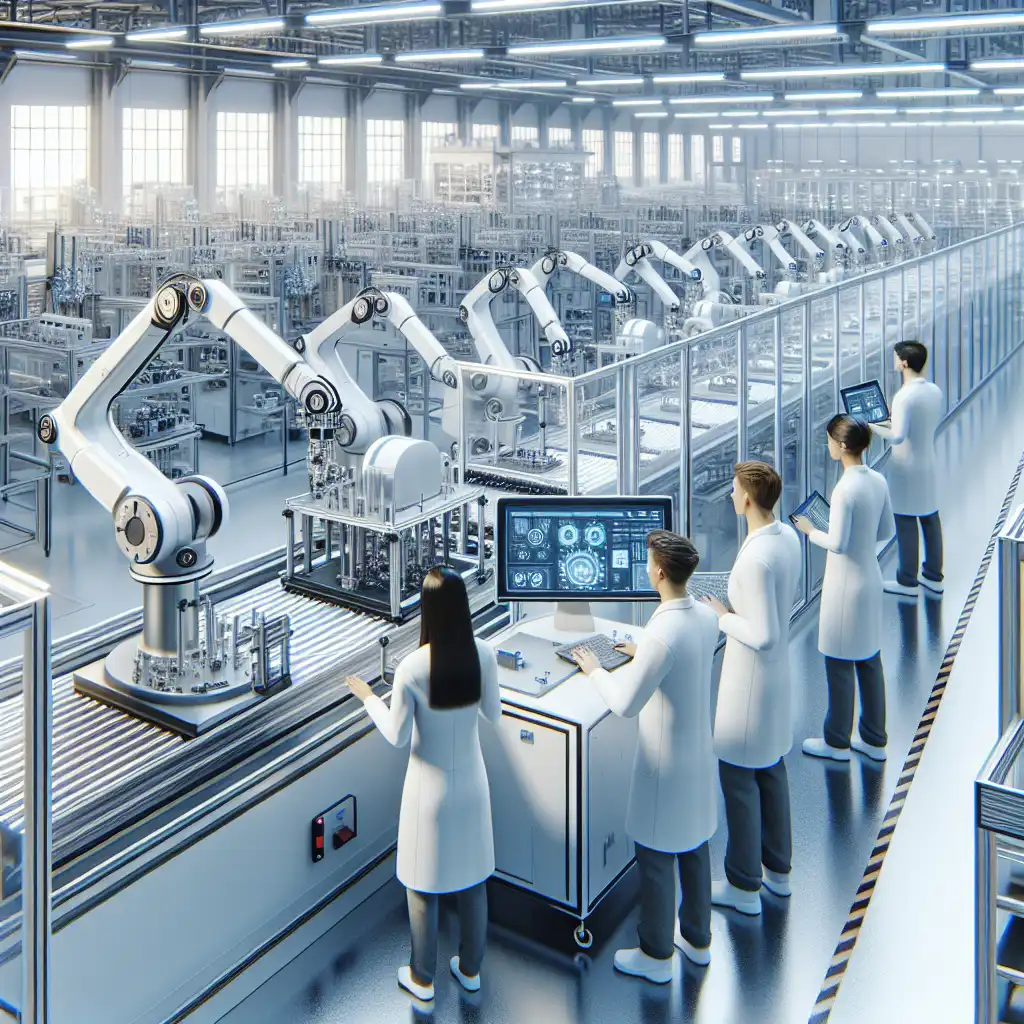
Automatic operation or control of machinery or processes.
The factory uses a high level of automatism to increase efficiency and decrease errors.
音声を読み込めませんでした。しばらくしてからもう一度お試しください。
Automatism refers to a bodily movement or action that is done without conscious control or awareness. The word can be used in a legal context to describe a defense where someone may not be held responsible for their actions because they were in a state of automatism. It can also be used in a general sense to describe tasks or habits that are performed automatically, without needing much thought or effort. For example, typing or driving may become automatic tasks with practice.
Mechanism refers to a system or machine designed to perform a specific function using a set of interconnected parts. This can range from simple machines like pulleys and levers to complex systems like engines and computers.
Automatism refers to the automatic response of a living thing or machine to external stimuli, while mechanism refers to the intentional design and operation of a machine or system.
単語を開く: Mechanism →Reflex refers to an automatic response to a stimulus. For example, if you touch a hot stove, your hand will automatically pull back without you thinking about it.
Reflexes are built-in survival mechanisms designed to protect us from harm.
The main difference between automatism and reflex is that automatism involves unconscious actions that are more habitual or routine, while reflexes are automatic responses to specific stimuli that are built into our bodies for survival.
単語を開く: Reflex →Spontaneity means doing things impulsively or without planning, but it still requires conscious control and intention. For example, deciding on a whim to go out with friends or trying a new hobby out of curiosity.
Automatism is acting without conscious control, while spontaneity is acting impulsively but still with conscious control.
単語を開く: Spontaneity →Unconscious refers to a state of being not aware or not conscious. This can apply to both physical states, such as being asleep, and mental states, such as repressed memories or fears.
While automatism describes actions, unconsciousness describes a state of being. Automatism is applicable to actions that happen without conscious control, while unconsciousness is applicable to states of awareness or lack thereof.
単語を開く: Unconscious →What's the definition of...
YouTube で見る ↗