
plenum
noun plenum
ˈpliːnəm
A meeting in which all members of a group or organization are present.
The congress will hold a plenum to discuss the issue.
plenum
ˈpliːnəm
読み込み中…
ˈpliːnəm
A meeting in which all members of a group or organization are present.
The congress will hold a plenum to discuss the issue.

ˈpliːnəm
A space completely filled with matter, or the state of being full or complete.
In thermodynamics, a plenum often refers to a space in which gas, usually air, is at a higher pressure than outside of the space.
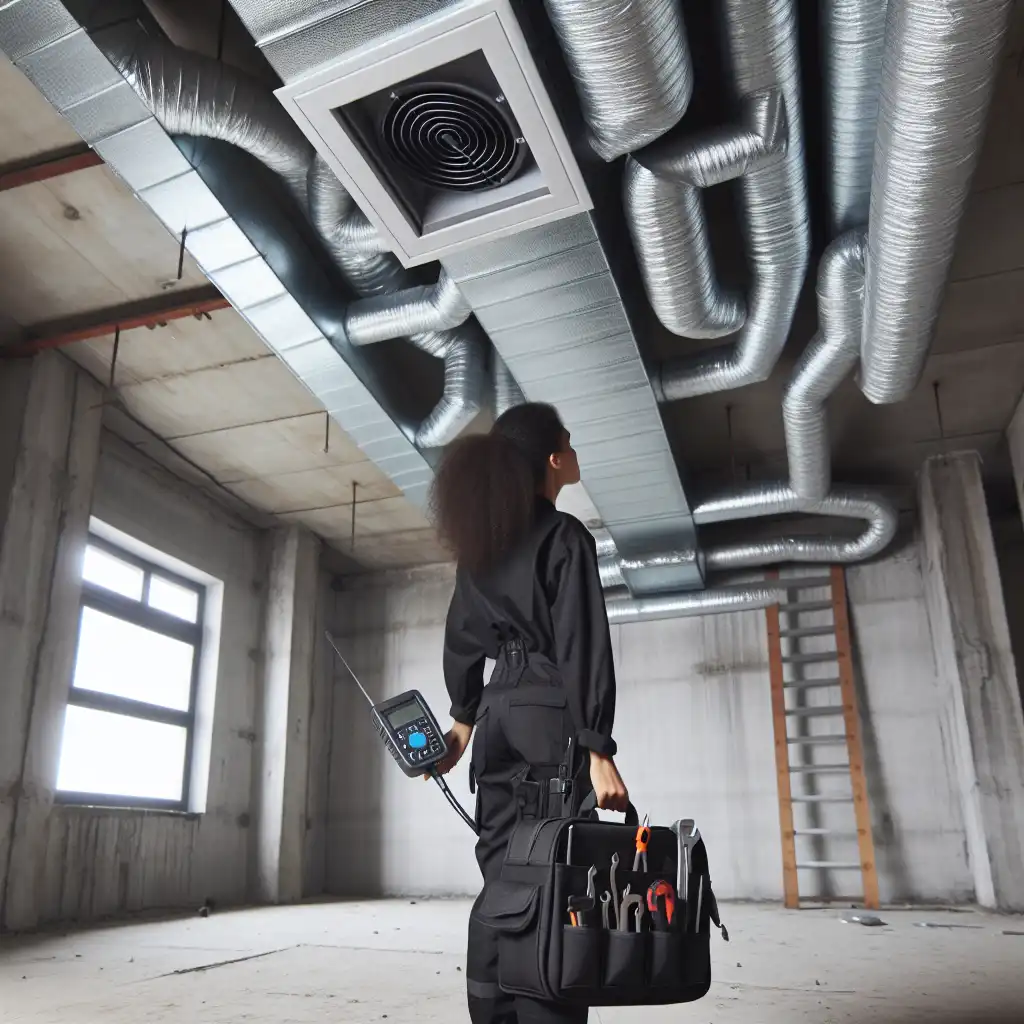
ˈpliːnəm
An enclosed space or duct for air in a building or other structure.
The air conditioning duct runs through the plenum.
音声を読み込めませんでした。しばらくしてからもう一度お試しください。
The word 'plenum' can refer to a large, open space in a building where air circulates, such as an HVAC system. It can also refer to a full meeting or assembly of all members of a group or organization. If you are talking about buildings or ventilation systems, you might say "The air in the building is circulated through the plenum." If you are talking about a group meeting, you might say "The plenum of the organization is scheduled for next week."
Abundance and plenum are both words used to describe things that are plentiful or in large quantities, but they are used in slightly different ways.
Abundance typically refers to a large amount or quantity of something that is seen as desirable or valuable. For example, you might talk about the abundance of food at a big family gathering or the abundance of opportunities available to a young person starting out in their career.
So while abundance might be used in a variety of contexts to describe a general sense of plenty, plenum is more specific to describing a defined space or container that is completely full.
単語を開く: Abundance →Complete means that something is finished or whole, without any parts missing.
Plenum refers to a space that is completely filled with something, usually air.
Complete means finished or whole, while plenum means full or completely filled with something.
Complete can be applied to a variety of situations such as completing a task, a project, or a degree.
Plenum is more limited in its usage and is mainly applicable in the context of building systems or engineering where it refers to a space that is completely filled.
単語を開く: Complete →Entirety refers to the whole or complete amount of something.
It is usually used when talking about a specific thing that is being referred to as a complete entity, such as the entirety of a book or the entirety of a project.
The main difference between the two words is that entirety refers to the complete amount of something, whereas plenum refers to a space that is completely filled or occupied by something.
単語を開く: Entirety →Full means completely filled or containing all that can be held. For example, a cup is full of water when there is no more space for any more water.
Full describes a general state of being completely filled, whereas plenum describes a specific area or space that is completely filled.
単語を開く: Full →Generosity refers to the quality of being kind and giving to others, often through the donation of time, money, or resources.
In essence, generosity is a personal quality relating to altruism and kindness, whereas plenum is a technical term related to describing physical space.
単語を開く: Generosity →Plenitude and plenum are both words that describe fullness or completeness, but they are used in different ways.
Plenitude typically refers to a state of being full or abundant, often in a figurative sense. For example, you might say that a person has a plenitude of joy or a plenitude of resources.
To summarize, plenitude describes a figurative sense of fullness or abundance, while plenum describes a physical space that is completely filled with something.
単語を開く: Plenitude →Totality refers to the state of being complete or whole. It is applicable in a variety of contexts, such as describing the entirety of something, like the totality of a person's life experiences or the totality of a work of literature or art.
Plenum refers to a space filled with gas or air, while totality refers to the state of being complete or whole.
単語を開く: Totality →In contrast, whole simply means something that is complete or entire, without any parts missing.
It can be applied to various contexts, such as a whole pizza versus a slice of pizza, or a whole team versus an injured player.
Plenum is a specific term for a completely filled or occupied space, while whole is a more general term for something that is complete or entire.
単語を開く: Whole →