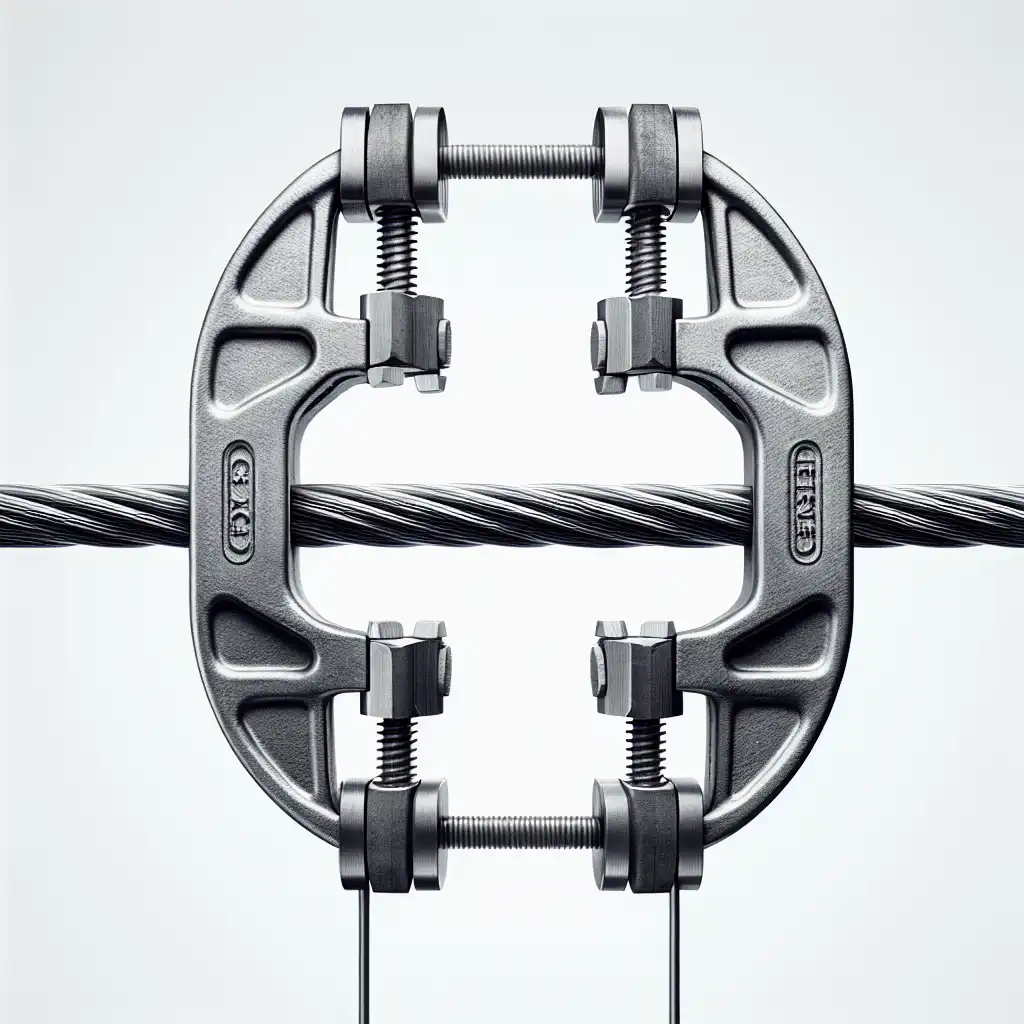
tensile
adjective tensile
ˈtensl
Related to the ability of something to be stretched or pulled without breaking
There was a test to measure the tensile strength of the steel wire.
tensile
ˈtensl
Cargando…
ˈtensl
Related to the ability of something to be stretched or pulled without breaking
There was a test to measure the tensile strength of the steel wire.

ˈtensl
The ability to absorb a lot of pressure or damage without breaking or failing
The bridge was built with tensile materials to survive earthquakes.
No se pudo cargar el audio. Inténtalo de nuevo más tarde.
Tensile means how well something can stretch or resist being pulled apart. It's often used to describe the strength of materials like metal or rope. For example, a rope with high tensile strength can hold a lot of weight without breaking or stretching too much. It's important to use the word tensile correctly in technical fields like engineering or construction.
Ductile describes a material's ability to be stretched or bent without breaking. This means that it can be easily molded into shapes without losing its overall strength.
So in summary: Ductile means can be bent without breaking and used in materials that can be molded into shapes. Tensile means can resist being pulled apart and used in materials that need to withstand forces that pull them apart.
Abrir palabra: Ductile →Elastic refers to something that can stretch and return to its original shape when released. For example, a rubber band is elastic because it can be stretched and will return to its original size and shape.
Elasticity is applicable in situations where you want something to be able to stretch, like a waistband on a pair of pants.
Elastic is the ability to return to its original shape and tensile is the ability to withstand a pulling force without breaking.
Abrir palabra: Elastic →Malleable means that a material can be easily shaped and changed without breaking. This is applicable when shaping metal or clay.
Abrir palabra: Malleable →Plastic refers to a material's ability to change its shape and stay in that new shape when moved or stretched.
For example, plasticine can be molded into many different shapes and it will stay in those shapes until it is changed again.
Plasticity is usually desirable in materials that need to be molded, while tensile strength is usually desirable in materials that need to be strong and resist deformation or breaking.
Abrir palabra: Plastic →Resilient refers to something that can bounce back or recover from challenges or adversity. For example, a person who is resilient can recover from setbacks or difficulties in life.
To summarize, resilient describes people's ability to bounce back from adversity, while tensile describes materials' ability to stretch without breaking.
Abrir palabra: Resilient →Supple refers to something that is flexible and bends easily without breaking, like a rubber band or a gymnast's body. It is applicable in situations where you need something to be pliable and adaptable to different situations, such as in sports or when dealing with materials that need to be molded or shaped.
Abrir palabra: Supple →Toughness refers to the ability of a material to absorb energy without breaking or deforming. Materials that are tough can withstand impacts or shocks without breaking, like a football helmet.
Both tensile strength and toughness are important properties for various materials used in engineering, such as metals, polymers, and composites.
However, the term tensile is more applicable when referring to materials that are being stretched or pulled, while 'toughness' is more applicable when referring to materials that are being struck or subjected to a sudden impact.
Abrir palabra: Tough →Tensile and yield are words used in materials engineering to describe the strength of different materials. Tensile strength is the maximum amount of stress that a material can withstand when it is being stretched or pulled without breaking.
Yield strength is the amount of stress that a material can withstand before it starts to permanently deform or bend.
In simpler terms, tensile strength is the maximum amount of force a material can withstand before it breaks, while yield strength is the maximum amount of force a material can withstand before it begins to bend or deform.
Yield strength is important for materials that need to withstand compression or bending forces, such as building columns and beams.
Tensile strength refers to the strength of a material when it is being pulled, while yield strength refers to the strength of a material when it is being compressed or bent.
Abrir palabra: Yield →How a wound heals itself...
Ver en YouTube ↗Just as a balloon filled gradually with air bursts when the limit of its tensile strength is passed, there are thresholds of radical, disruptive change in politics. When those thresholds are crossed, the impossible suddenly becomes probable, with revolutionary implications for governments and nations.
Meet the dazzling flying...
Ver en YouTube ↗Will power is only the tensile strength of one's own disposition. One cannot increase it by a single ounce.
PROTECT YOUR KILL -...
Ver en YouTube ↗Some spider silks are really strong, but not all of them are. The ones that are really strong can actually rival steel and approach the tensile strength of Kevlar. Thus far, the dragline silk seems to be the strongest.
Could we build a wooden...
Ver en YouTube ↗Design at the...
Ver en YouTube ↗Cameron Sinclair: A call...
Ver en YouTube ↗Magical houses made of...
Ver en YouTube ↗Cheryl Hayashi: The...
Ver en YouTube ↗Tal Golesworthy: How I...
Ver en YouTube ↗Big Cats: Leopard vs....
Ver en YouTube ↗