stratification
noun stratification
ˌstrætɪfɪˈkeɪʃn
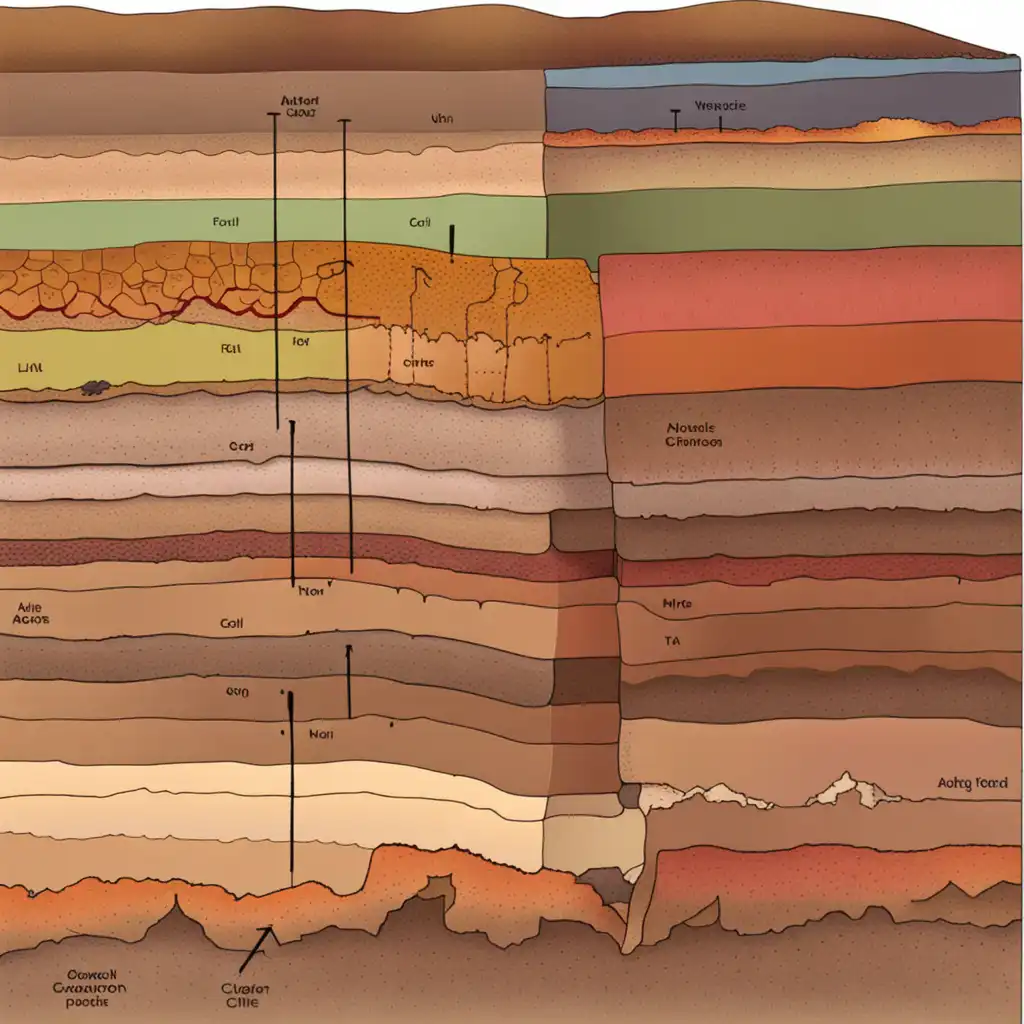
The process or state of dividing something into different levels or layers
The stratification of the soil was evident in the cutaway view of the cliff.
stratification
ˌstrætɪfɪˈkeɪʃn
Đang tải…
ˌstrætɪfɪˈkeɪʃn
The process or state of dividing something into different levels or layers
The stratification of the soil was evident in the cutaway view of the cliff.
ˌstrætɪfɪˈkeɪʃn
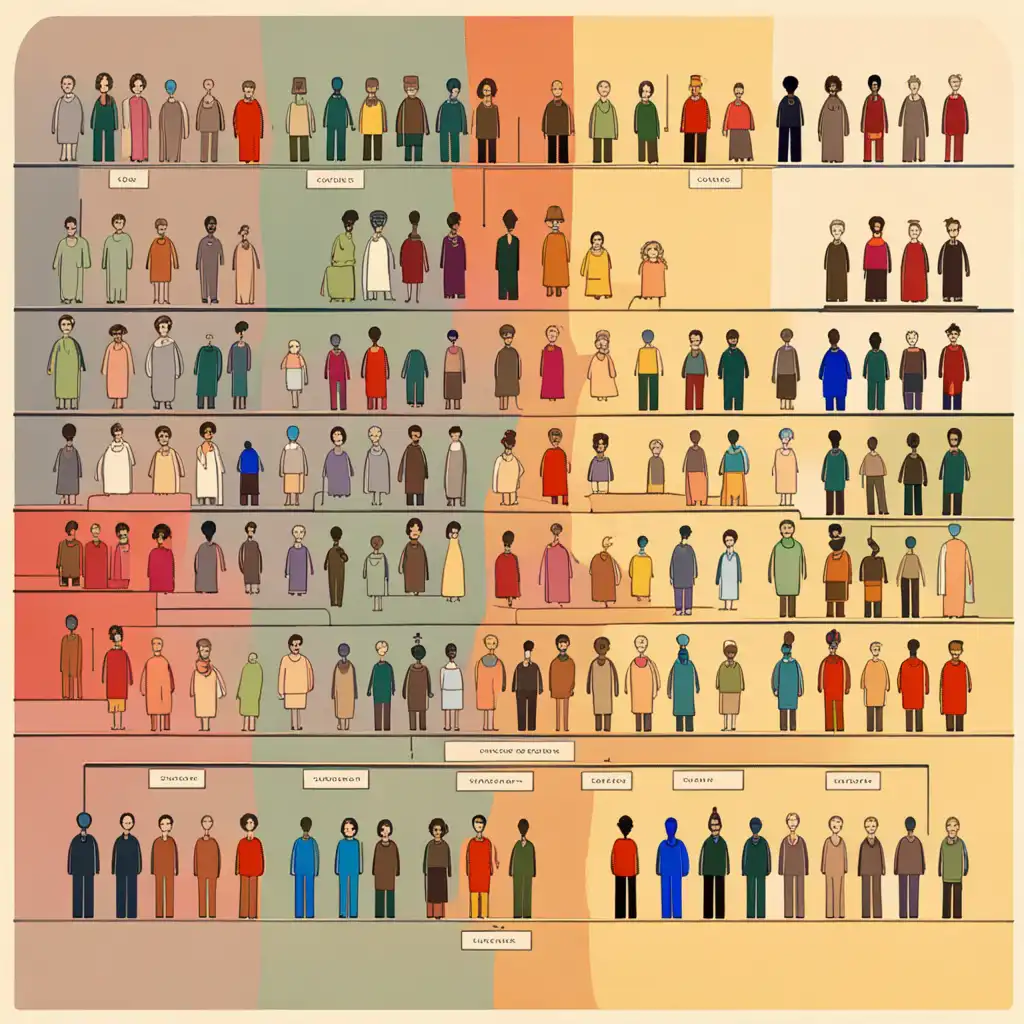
The arrangement of society into social classes or castes
Stratification is often seen in traditional societies where occupations are hereditary.

ˌstrætɪfɪˈkeɪʃn
The formation or deposit of layers of a particular substance within an object or area
The stratification of sediment in the rock helped the geologists determine the age of the formation.

ˌstrætɪfɪˈkeɪʃn
A method in which seeds or plants are layered with soil or other materials to encourage growth
I used stratification to promote the germination of my apple seeds.
Không tải được âm thanh. Vui lòng thử lại sau.
Stratification means dividing or sorting things or people into different levels or layers based on certain criteria or characteristics. For example, in society, people might be stratified based on their income, education, or job status. This can determine their social class and opportunities in life. In geology, stratification refers to the layers of rock or soil that have accumulated over time. In chemistry, it can refer to the separation of different components in a mixture based on their varying densities. Overall, stratification is a way of categorizing or arranging things based on their similarities or differences.
Arrangement refers to the way things are organized or ordered, usually for a specific purpose or function. For example, arranging a bouquet of flowers, arranging furniture in a room, or arranging a schedule for the week.
The main difference between arrangement and stratification is that arrangement relates to how things are organized for practical purposes, while stratification refers to the division of things into distinct layers based on certain criteria.
Mở từ: Arrangement →Classification refers to organizing or grouping things based on commonly shared characteristics. It is useful for grouping similar things together, like animals that have similar traits.
Both classification and stratification involve organizing things, but classification focuses on grouping things based on similar characteristics, while stratification focuses on dividing things into different levels or layers.
Mở từ: Classification →Differentiate means to distinguish or recognize the differences between things or concepts. It is applicable in situations where you need to separate or categorize things based on certain characteristics, such as identifying different species of animals or plants.
Differentiate is about identifying differences between things, while stratification is about identifying different levels of hierarchy within a society or group.
Mở từ: Differentiate →Division refers to a separation or parting of people or things into different groups or categories. For example, dividing people into different age groups or dividing a workplace into different departments.
Division is about creating separate groups, while stratification is about placing different groups into a hierarchy or social order.
We can apply division to any situation where we need to categorize things or people, whereas stratification applies specifically to societal structures and hierarchies.
Mở từ: Division →Grade refers to a level or standard of quality, such as a student's academic grade or the quality of a product. It is applicable in education, business, and many other fields where evaluations are made based on levels of achievement or quality.
Mở từ: Grade →Hierarchy and stratification both refer to the organization of people or things based on some type of ranking system.
Hierarchy refers to a system of ranking where a group of people or things is arranged in a specific order of importance or authority.
For example, a boss or manager may be at the top of a company's hierarchy, followed by other employees ranked by their roles and responsibilities.
Hierarchy is more focused on the organization of individuals or things based on authority or importance, while stratification is more focused on the division of a group of people based on certain characteristics.
Mở từ: Hierarchy →Layer refers to a single sheet or a covering that is built one on top of the other.
It is often used to describe things like cake layers, sedimentary rock layers, or a layer of frost on top of the grass.
Stratification refers to the process of layering materials.
This process is responsible for forming rock layers in the earth's crust, ocean currents, and atmospheric layers.
Layer refers to a physical object, while stratification refers to a natural process that can occur in various materials.
Mở từ: Layer →Segregation refers to the act of separating people or things based on differences such as race, gender, religion, etc. For example, a school may have segregated classrooms for boys and girls.
In summary, segregation is about separating individuals while stratification is about dividing a group into different social classes.
Segregation applies to situations where certain characteristics of individuals are used to separate them while stratification applies to situations where individuals are classified based on their social status or group.
Mở từ: Segregate →Mining literature for...
Xem trên YouTube ↗The moral abhorrence of private prisons has been brought to our attention by courageous acts of investigative journalism, illuminating scholarship, and the work of activists who have decried the social stratification brought about by our prison systems.
How racial bias works --...
Xem trên YouTube ↗I think there's really strong social stratification in South Asia.
Safari Live - Day 284 %\PIPE%...
Xem trên YouTube ↗In England, more than in any comparable country, those who are born poor are more likely to stay poor, and those who inherit privilege are more likely to pass on privilege. For those of us who believe in social justice, this stratification and segregation are morally indefensible.
I wanted to show something that Americans don't usually think about when they think about Russia, which is the extreme stratification of Soviet society.