oviparous
adjective oviparous
əʊˈvɪpərəs
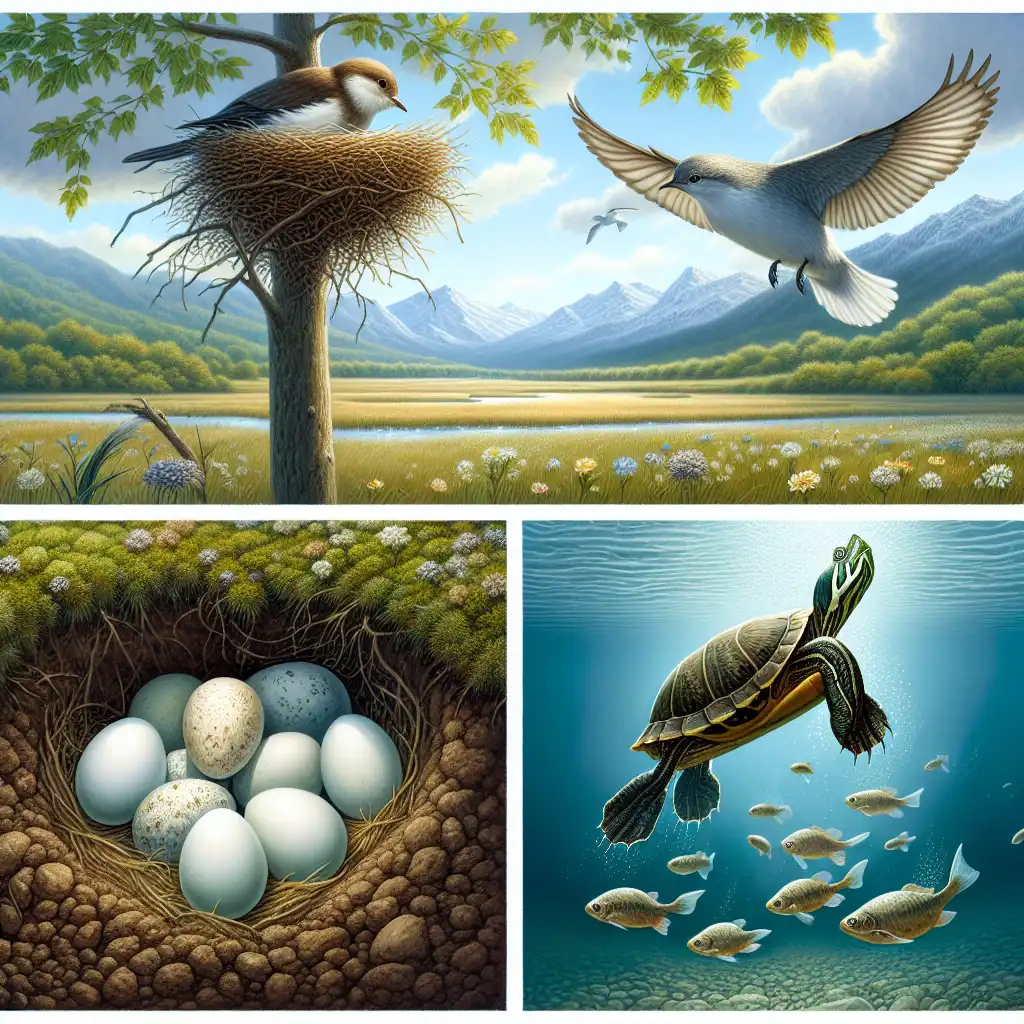
Refers to animals that lay eggs, with little or no other embryonic development within the mother.
Birds, reptiles, and many kinds of fishes are oviparous.
oviparous
əʊˈvɪpərəs
불러오는 중…
əʊˈvɪpərəs
Refers to animals that lay eggs, with little or no other embryonic development within the mother.
Birds, reptiles, and many kinds of fishes are oviparous.
오디오를 불러오지 못했어요. 잠시 후 다시 시도해 주세요.
'oviparous' is a biological term used to describe animals that lay eggs to produce their offspring. It is often used to describe birds, reptiles, and some insects. So, if you are talking about animals and want to describe those that lay eggs to produce their young, you can use the word 'oviparous'. For example, "Birds and reptiles are oviparous animals."
The difference between oviparous and ovoviviparous is in how they give birth. Oviparous animals lay eggs that hatch outside of the mother's body, while ovoviviparous animals keep the eggs inside the mother's body until they hatch, and then they are born alive.
Ovoviviparous animals include some species of sharks, snakes, and fish. These animals do not lay eggs that hatch outside the body.
Oviparous animals lay eggs that hatch outside of the body, while ovoviviparous animals keep the eggs inside the body until they hatch, and then they are born alive.
단어 열기: Ovoviviparous →