curdle
verb curdle
ˈkɜːrdl
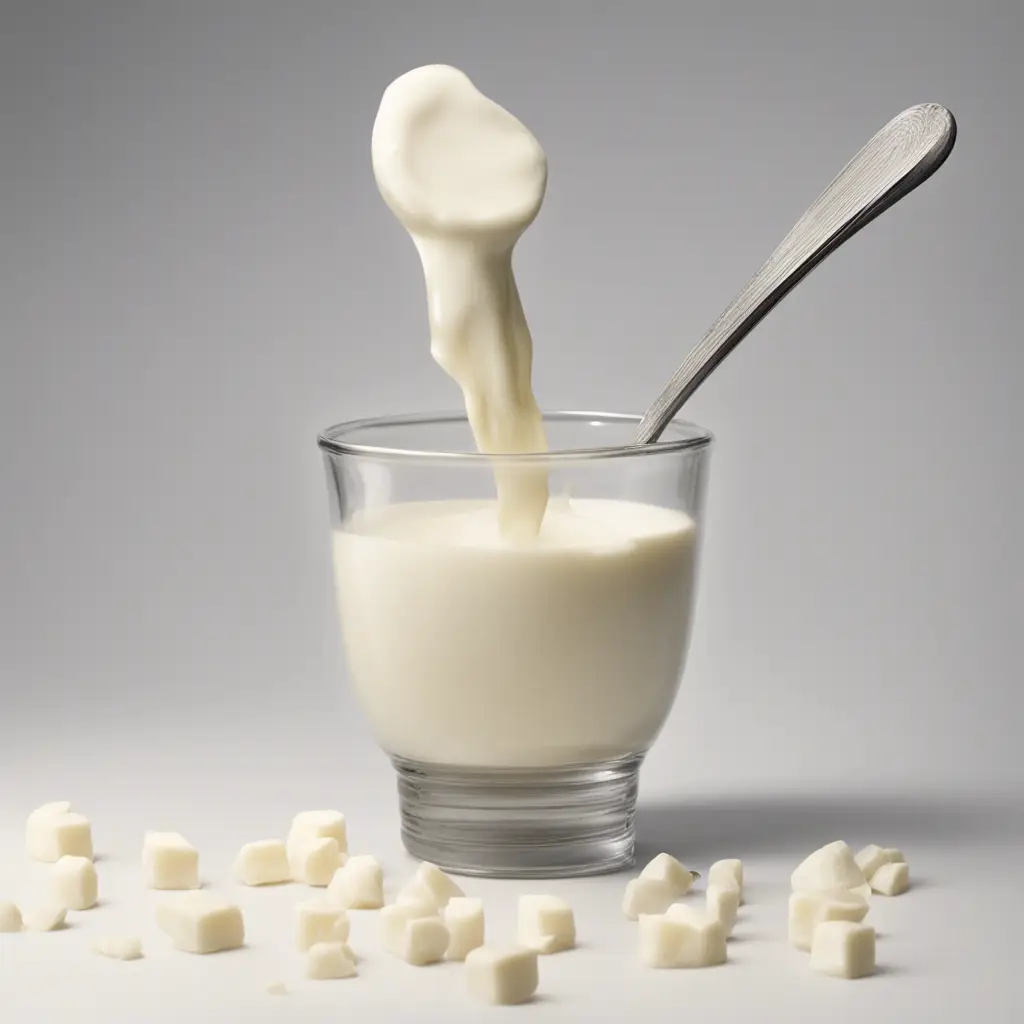
To separate or cause to separate into curds or lumps
The milk curdled when it was left out of the fridge.
curdle
ˈkɜːrdl
Chargement…
ˈkɜːrdl
To separate or cause to separate into curds or lumps
The milk curdled when it was left out of the fridge.

ˈkɜːrdl
Make or become unpleasant or spoiled
Her stomach curdled at the sight of blood.
ˈkɜːrdl
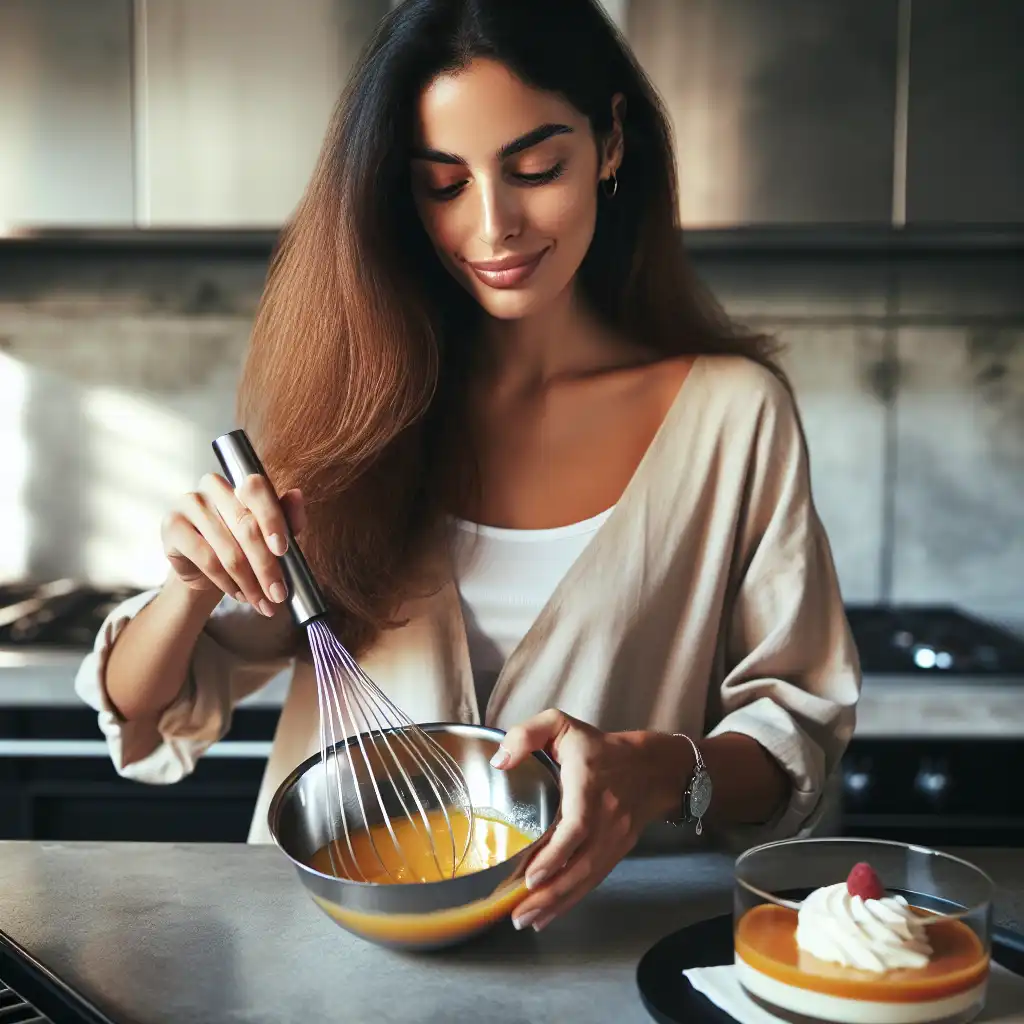
thicken to a semi-solid state
She curdled the egg yolks to make a dessert.
Impossible de charger l’audio. Réessayez plus tard.
'Curdle' means to change the consistency of a liquid by making it thicker or forming lumps, usually due to the addition of something acidic. For example, adding lemon juice to milk can cause it to curdle. Curdling can happen to other liquids too, such as cream or broth, when exposed to certain conditions. This word is often used in cooking, but it can also be used to describe the way a relationship or situation can turn negative or chaotic quickly.
Clot refers to the thickening of a liquid, usually blood, when it forms a solid mass. This happens when the liquid's components gather together, forming a lump that can impede the flow of the liquid, which could lead to problems if it occurs in the wrong part of the body.
In essence, clotting is a process that happens within a liquid, while curdling is a process that happens to a liquid itself.
Clotting can be dangerous because it can create blockages, while curdling is generally only problematic when it ruins the taste or texture of food.
Ouvrir le mot: Clot →Both coagulate and curdle refer to the process of a liquid turning into a solid, but they are used in different contexts.
Coagulate describes the process by which something like blood or a sauce thickens and takes on a solid form. It often happens due to a chemical reaction or because of a change in temperature.
For example, when making pudding, the mixture coagulates when heated and thickens into a solid.
Coagulate is used for things like blood or sauces, while curdle is used specifically for milk and dairy products, to describe the formation of curds/clumps.
Ouvrir le mot: Coagulate →Both congeal and curdle refer to the process in which a liquid turns into a solid or thickens.
However, congeal is usually used when a liquid thickens or solidifies by cooling, while curdle is used when a liquid thickens or solidifies due to a chemical reaction or souring.
For example, Jell-O congeals when it is refrigerated while milk curdles when it is left out at room temperature for too long or mixed with an acid like lemon juice.
Ouvrir le mot: Congeal →Firm up means to solidify or become more solid, usually due to cooling or refrigeration. This is desirable in many foods, like jello, pudding, or cheesecake, as it helps them keep their shape and texture.
Curdle is applicable when you want to avoid separating and forming lumps in milk or cream, while firm up is applicable when you want to solidify something after preparing it.
Ouvrir le mot: Firm up →Gel is used when a liquid turns into a semi-solid or a jelly-like state due to the presence of a gelatinizing agent. This usually involves the addition of a gelling agent like agar or pectin.
Essentially, curdle refers to the separation of a liquid into solid chunks and liquid, while gel refers to the solidifying of a liquid into a semi-solid or jelly-like state.
Ouvrir le mot: Gel →Set is used when a liquid or substance solidifies or becomes firm due to cooling or other chemical reactions, without breaking down into lumps or solids.
For example, when you cool and refrigerate jelly, it sets.
In summary, curdling refers to a liquid breaking down into lumps or solids, often due to high acidity or heat, while setting refers to a liquid or substance becoming firm without breaking down, often due to cooling or other chemical reactions.
Ouvrir le mot: Set →Curdle and solidify are both words used to describe the process of a liquid becoming thicker and less runny, but they are used in different contexts.
Solidify is a more general term and can describe the process of any liquid becoming solid, without necessarily referring to a specific substance.
For example, water can solidify when it freezes into ice.
Curdle describes the thickening of a specific type of liquid (often dairy products), while solidify is a more general term used to describe the transformation of any liquid into a solid.
Ouvrir le mot: Solidify →Curdle and thicken both involve making a liquid thicker, but in different ways.
Thicken is when a liquid becomes more viscous, or thicker and more substantial. This can happen for many reasons, such as adding flour or cornstarch to a soup or sauce, or reducing a liquid by simmering it for a long time.
Thickening is commonly used to make gravy, stews, or other savory dishes.
So, in summary: curdling separates a liquid into solids and liquids using acid or enzymes, while thickening makes a liquid more substantial and viscous using a thickening agent or by reducing the liquid.
Ouvrir le mot: Thicken →The beneficial bacteria...
Voir sur YouTube ↗For in itself a thought, a slumbering thought, is capable of years, and curdles a long life into one hour.
How designing brand-new...
Voir sur YouTube ↗It's a deep and all but certain truth about narcissistic personalities that to meet them is to love them, but to know them well is to find them unbearable. Confidence quickly curdles into arrogance; smarts turn to smugness, charm turns to smarm.
The Man of a Trillion...
Voir sur YouTube ↗Giving shape to a painful experience is powerful because it helps us to see, first, how we got through it; second, how we can share it. The experience doesn't stay trapped within us, unspoken, curdling - instead, the art of arranging and transforming it reduces the burden. It no longer belongs to only you.
There's so much of our behavior that kind of curdles and hardens as we get into adulthood, and it becomes so much more difficult to be hopeful and to dream extravagantly.
Lemon curd is one of the first things I remember cooking when I was old enough to use the stove without supervision. I looked up a recipe in my one of my mom's Martha Stewart cookbooks and went to work, stirring anxiously and monitoring closely for signs that the mixture was thickening so as not to curdle the eggs.
Americans can tolerate some secrecy, particularly when it is rooted in protection of the public's interests. But when the claims appear to hide wrongdoing, they begin to curdle.
Servility always curdles into rage in the end.
My primary school teacher once poured a bottle of curdled school milk forcefully down my throat. Then I threw it up all over her suede shoes. I'd rather have drunk from the spittoon in Barney's barber shop.