filtrate
verb filtrate
ˈfɪltreɪt
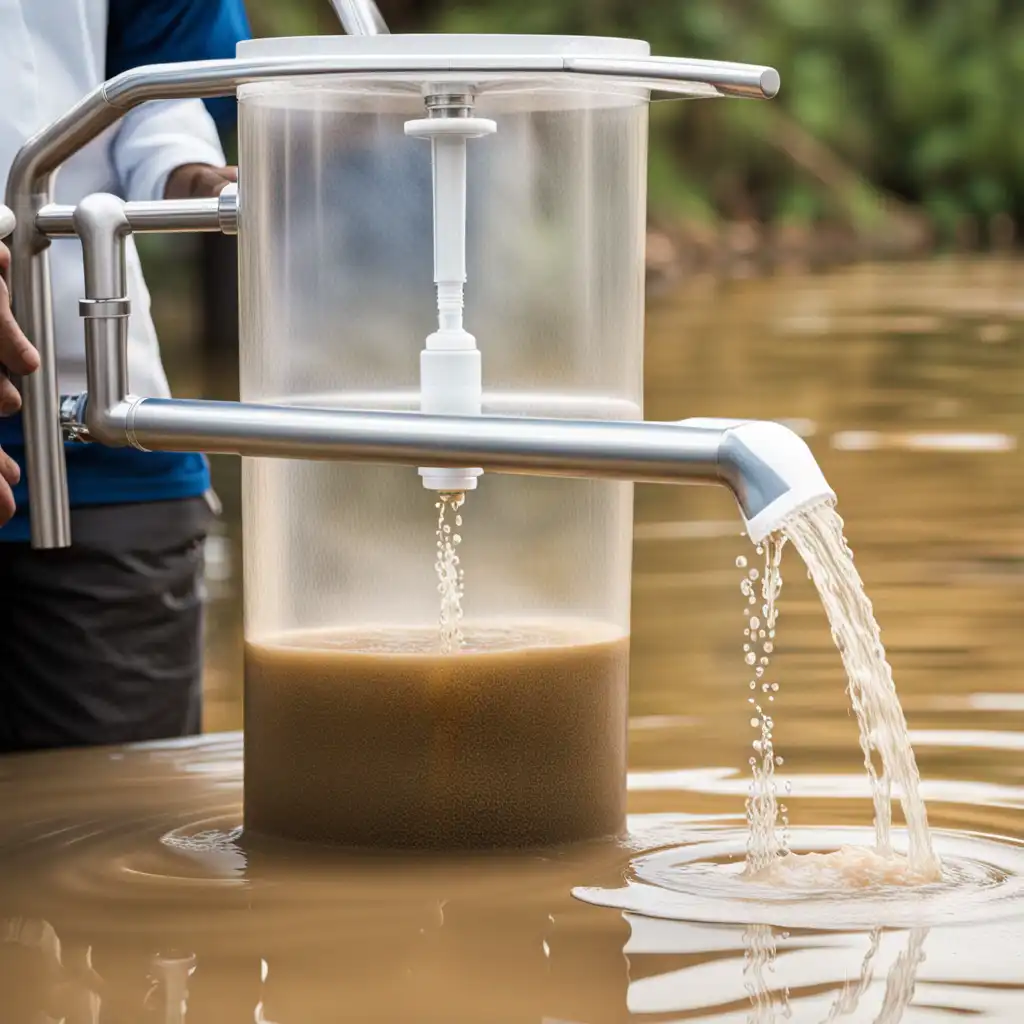
To pass a liquid or gas through a filter to remove impurities or unwanted elements
We need to filtrate the water to separate the mud before drinking it.
filtrate
ˈfɪltreɪt
Chargement…
ˈfɪltreɪt
To pass a liquid or gas through a filter to remove impurities or unwanted elements
We need to filtrate the water to separate the mud before drinking it.
ˈfɪltreɪt
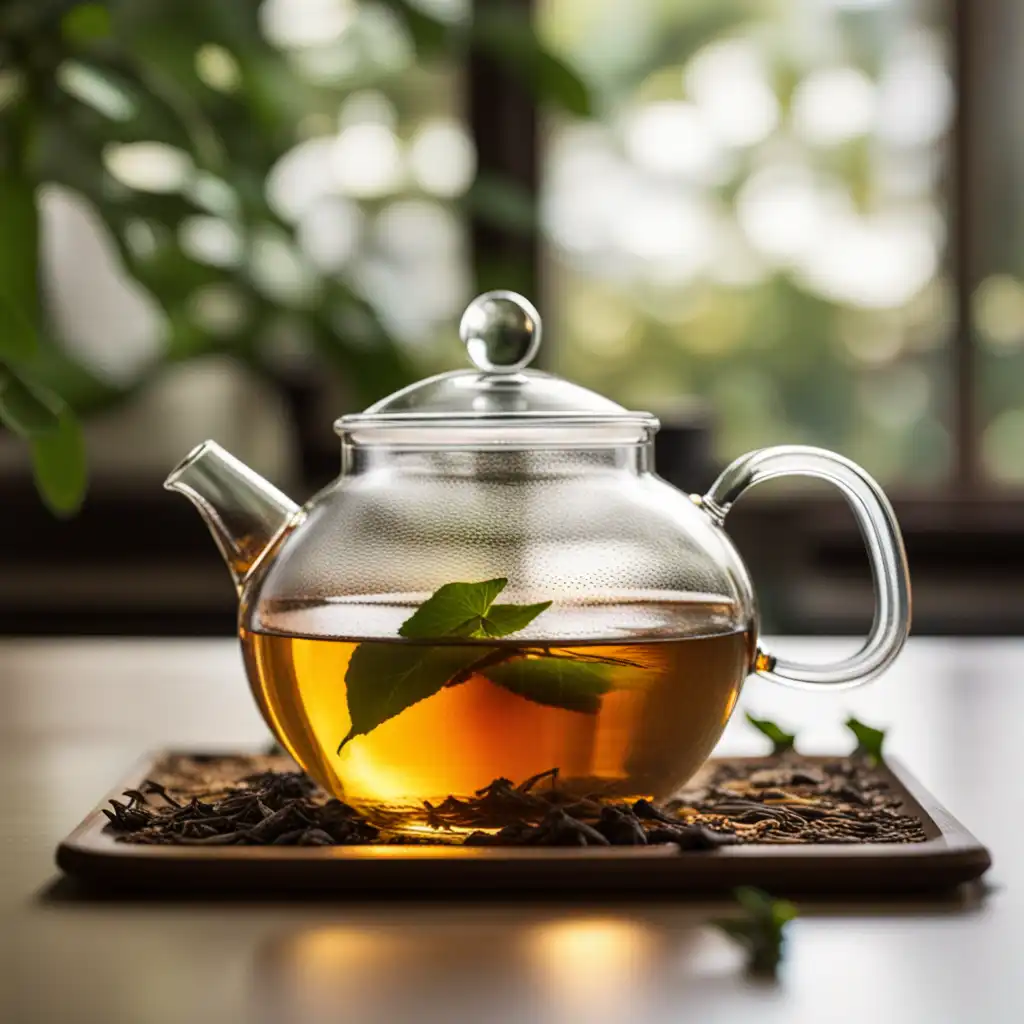
The liquid or gas that has been filtered
After filtrating the tea, the filtrate was free of leaves and ready to be served.
Impossible de charger l’audio. Réessayez plus tard.
The word "filtrate" is used in chemistry and other areas of science to refer to a liquid or gas that has been passed through a filter. The filter is used to remove impurities, such as solids or unwanted particles, from the original substance. For example, you might use a coffee filter to remove grounds from your morning cup of coffee, resulting in a filtrate that is clear and free of debris. In other settings, such as a laboratory or industrial process, filters might be used to remove harmful chemicals or pollutants from liquids or gases, resulting in a filtrate that is safe for use or disposal. Overall, the term "filtrate" describes a substance that has been filtered to remove impurities, and it is most commonly used in scientific or technical contexts.
Clarify means to make something clear or easy to understand. It's usually used when there's confusion or a lack of understanding about a certain topic, and someone needs to explain it in simpler terms.
Clarify is used when something needs to be explained or made easier to understand, while filtrate is used when something needs to be separated or purified through a filter.
Ouvrir le mot: Clarify →Distilling and filtering are two different methods used to separate components in a mixture.
Distilling is the process of separating components in a mixture by boiling the liquid and making it vaporize. The vapor is then cooled and condensed back into liquid form, resulting in a more purified substance.
Distilling is typically used when the components have different boiling points, such as separating water from alcohol.
In summary, distilling is used to separate components based on their boiling points, while filtration is used to separate particles from a mixture.
Ouvrir le mot: Distil →Filtrate and percolate are two different methods of separating the solid and liquid parts of a mixture.
Percolate means to pass a liquid through a porous substance (like coffee grounds) in order to extract something from it.
Filtrate is used to separate solid particles from liquid while percolate is used to extract something from a liquid by passing it through a porous substance.
Ouvrir le mot: Percolate →Purify refers to the process of removing impurities from a substance. This can be done through various methods such as distillation, chemical treatment, or filtration.
Filtrate is applicable when separating solids from liquids, while purify is applicable when removing impurities from a substance to make it pure and safe for use.
Ouvrir le mot: Purify →Filtrate means to remove solid particles from a liquid by passing it through a filter. Refine means to remove impurities or unwanted substances from a substance to make it pure.
Filtrate is applicable when you want to remove dirt, debris or particles from a liquid, whereas refine is applicable when you want to remove impurities from a substance to enhance its quality.
For example, oil is refined to remove impurities, whereas water is filtered to remove particles.
Ouvrir le mot: Refine →Filtrate and separate are both terms used to describe ways of removing impurities from a mixture, but they refer to different processes.
Filtration is the process of using a filter to separate a solid material from a liquid or gas. The mixed substance is poured through a filter and the liquid (or gas) passes through the filter, leaving the solid material behind.
Separation is the process of dividing two or more substances that were previously mixed together. This can be done in a number of ways, depending on the nature of the substances.
For example, if there are two liquids that do not mix together (like oil and water), they can be separated by pouring off one of the liquids or using a separating funnel.
Separation can also involve physically picking out solid objects or using chemical reactions to separate out specific substances.
So, in short, filtration is a way to separate a solid material from a liquid or gas, while separation is the process of dividing mixed substances into their individual components.
Ouvrir le mot: Separate →Filtrate refers to the process of separating solid particles from a liquid by passing it through a filter, whereas sift refers to the act of removing lumps or impurities from a dry substance by passing it through a sieve or fine mesh.
Filtration is used to separate mixtures of solids and liquids, such as separating coffee grounds from brewed coffee. Sifting is used to separate impurities from flour or sugar, for example, to ensure a smoother consistency.
Ouvrir le mot: Sift →Filtrate refers to the liquid that passes through a filter, while strain refers to the process of separating solid particles from a liquid by using a strainer or sieve.
Straining is used when you want to separate larger particles from a liquid. For example, when you strain the pulp from freshly squeezed orange juice, you are separating the larger pulp particles from the liquid.
In summary, filtration is used to separate small particles from liquids, while straining is used to separate larger particles from liquids.
Ouvrir le mot: Strain →Will the ocean ever run...
Voir sur YouTube ↗I believe a filtration process works, where you need someone to listen, before the track goes out into the world.
The four fish we're...
Voir sur YouTube ↗With social media, you have this new kind of way to communicate with people that's very immediate, sometimes alarmingly so, sometimes painfully so. If you could just hold some objectivity, a very direct, unfiltered, raw reflection of the way something is landing in the culture without any spin, or filtration, or anything, it's very raw.
Kakani Katija: Ocean...
Voir sur YouTube ↗I worked as a teacher in the public school system in New York City for several years, and I was a victim of the layoffs, you know, in the mid-'70s. And then I worked as a sales engineer for a company in New Jersey that was selling industrial filtration equipment.
Saving Hawaii’s Birds...
Voir sur YouTube ↗In the giraffe with a total height of 5 m., the heart is at a height of about 2.5 m., and it would be extremely interesting to know just how the giraffe avoids the development of filtration oedema in its long legs.
The power of creative...
Voir sur YouTube ↗Why are frogs...
Voir sur YouTube ↗6 space technologies we...
Voir sur YouTube ↗The problem with...
Voir sur YouTube ↗Mina Bissell:...
Voir sur YouTube ↗How to put the power of...
Voir sur YouTube ↗