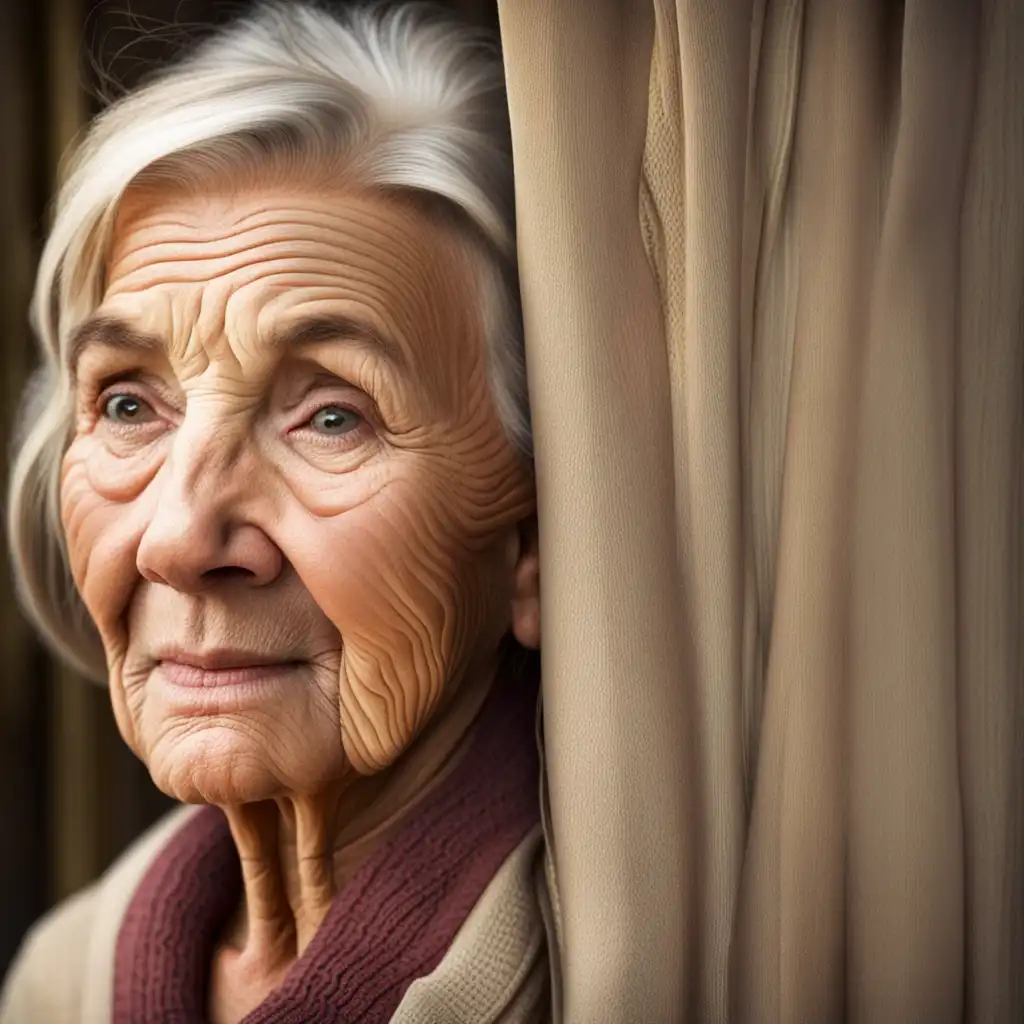
wizened
adjective wizened
ˈwɪznd
Shrunken and wrinkled usually due to aging or drying
The old woman had a wizened face, full of character and years of experience.
wizened
ˈwɪznd
加载中…
ˈwɪznd
Shrunken and wrinkled usually due to aging or drying
The old woman had a wizened face, full of character and years of experience.
音频无法加载,请稍后再试。
"Wizened" means something or someone that looks small, wrinkled, and old. It's often used to describe an old person or a fruit or vegetable that's been left out for too long and has shriveled up. For example, "The wizened old man walked slowly down the street" or "The apple was wizened and unappetizing."
Emaciated describes someone who is extremely thin and weak due to lack of food or illness. It often implies that the person's body is unhealthy and suffering.
Both words can describe a person's physical appearance, but they have different connotations. Emaciated suggests that the person is suffering, while wizened suggests that the person has lived a long and interesting life.
打开单词: Emaciated →Gaunt refers to someone who is very thin and bony, often as a result of illness or starvation. It is applicable when describing someone who looks physically weak and malnourished.
打开单词: Gaunt →Haggard means looking tired, exhausted, or unwell, often due to age, illness, or a difficult life. It's used to describe someone who looks worn-out, with sunken eyes and a pale complexion.
Haggard describes someone who looks tired or unwell, while wizened describes someone who looks old and wrinkled.
打开单词: Haggard →Lean means to have little body fat or to be thin.
Lean is a neutral or positive term, while wizened usually describes someone who looks frail or sickly.
打开单词: Lean →Shrink means to become smaller in size or to decrease in amount. For example, when a material is heated and cooled rapidly, it may shrink in size.
Generally, shrink describes a physical change in size or quantity, while wizened describes a physical change in appearance due to aging or other factors.
打开单词: Shrink →Thin refers to someone or something that is slender or slim. It is a neutral term that describes the physical appearance of a person, object or animal.
Wizened, on the other hand, refers to someone who appears thin, shriveled or wrinkled, often as a result of old age or illness.
It describes the physical appearance of an elderly or very sick person, implying that they are dry and withered. Thin can describe any person or thing that is slim, while wizened describes a physical thinness and a person's appearance that's wrinkled and aged-looking.
打开单词: Thin →Wither means to dry up, wilt or become smaller due to lack of water or nutrients. For example, a plant that doesn't receive enough sunlight or water may wither and die.
Wither applies to things that are affected by lack of water or nutrients and wizened applies to things affected by age or hardship.
打开单词: Wither →Wizened and wrinkle both refer to signs of aging or old age, typically in the appearance of the skin.
It might be used, for example, to describe a very old and frail person or a piece of fruit that has dried out. Wrinkle is a more general term that can refer to any crease or fold in the skin, regardless of the age or health of the person.
打开单词: Wrinkle →Michael Archer: How...
在 YouTube 上观看 ↗