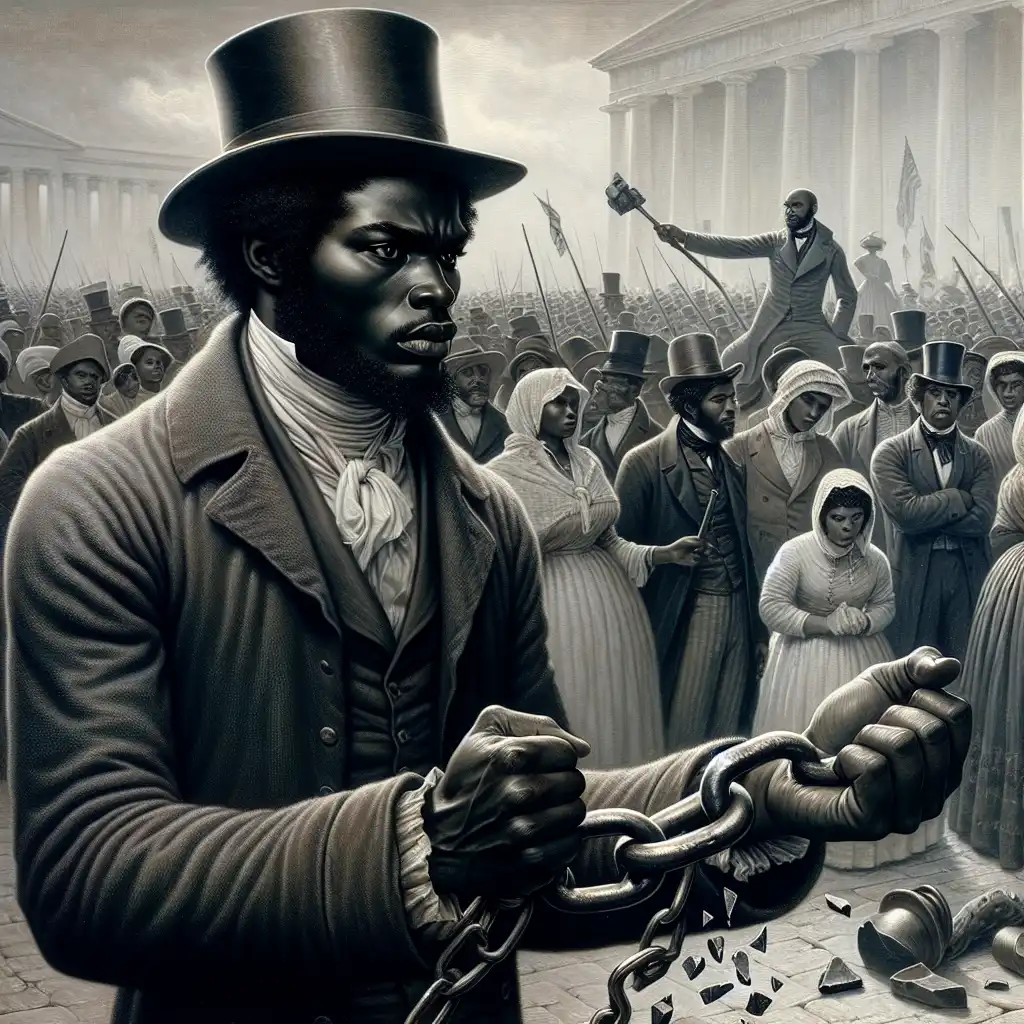
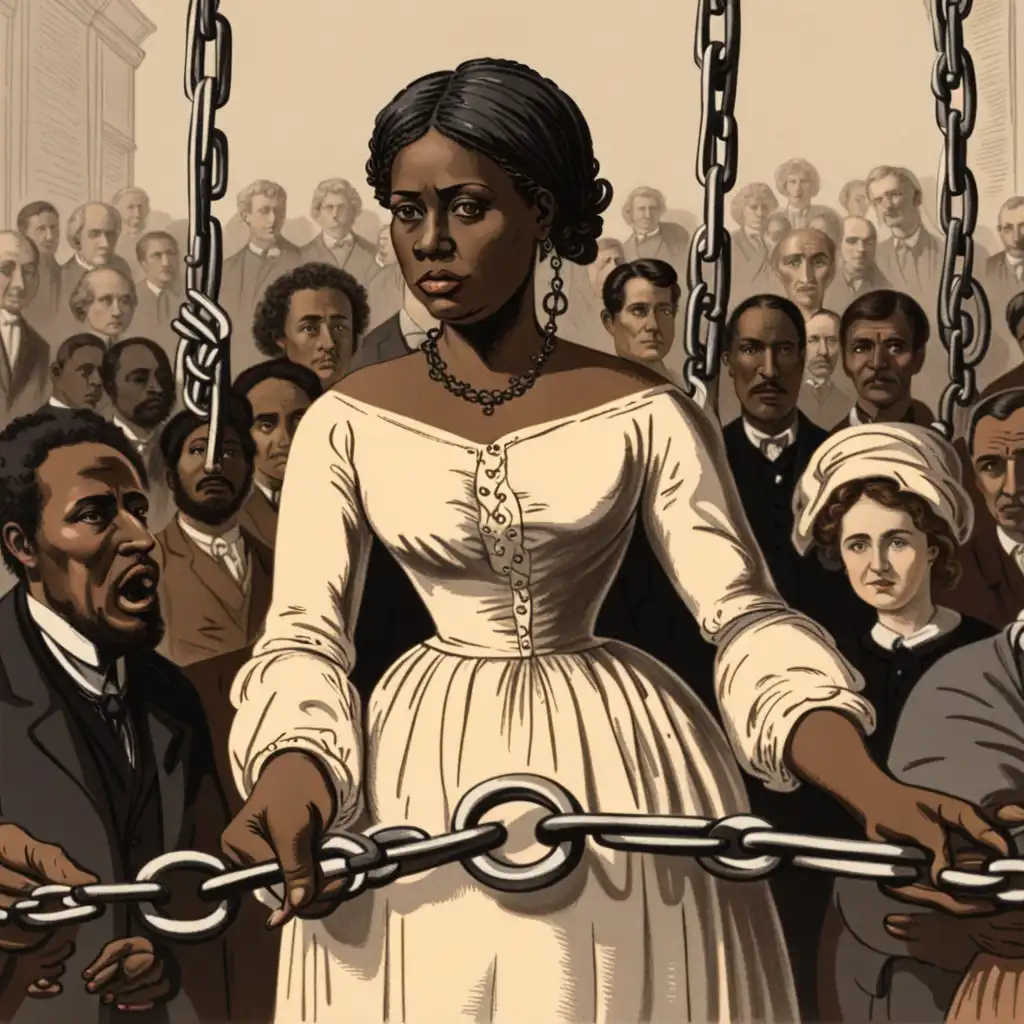
A person who supports getting rid of, especially legally, a system, practice or institution, typically they were the ones who wanted to end slavery in the 18th and 19th centuries
The abolitionist movement in America gained momentum in the early 19th century.
Impossible de charger l’audio. Réessayez plus tard.
Comment l’utiliser
An abolitionist is someone who strongly believes that a certain thing, such as slavery, needs to be outlawed and removed completely from society. The term abolitionist is often used specifically in regards to those who fought to end slavery in the United States during the 19th century. This word can be used in discussions or debates about social justice and human rights movements.
Extinguish refers to the act of putting an end to something by completely eliminating it.
It can refer to anything that is being extinguished or ended, such as a fire or a relationship.
Abolitionist is applicable when discussing the fight to end a specific problem or injustice, while extinguish is applicable when discussing the act of completely eliminating something.
The stance I took was there is no room for racial bias anywhere in sports. I believe that was basically all I said about it. Certainly I was cast as an abolitionist. Death threats came. Hate mail came.
Opponents of capital punishment argue that the state has no right to take a murderer's life. Apparently, one fact that abolitionists forget or overlook is that the state is acting not only on behalf of society, but also on behalf of the murdered person and the murdered person's family.
I have always hated slavery, I think, as much as any abolitionist. I have been an Old Line Whig. I have always hated it, but I have always been quiet about it until this new era of the introduction of the Nebraska Bill began.
Everybody has asked the question, and they learned to ask it early of the abolitionists, 'What shall we do with the Negro?' I have had but one answer from the beginning. Do nothing with us! Your doing with us has already played the mischief with us.
In the suffragist and abolitionist era, there were a lot of white women and some black men and women who argued for the old hierarchy and against universal adult suffrage - often on religious grounds.
What does it look like to build a city, state, or nation invested in communities thriving rather than their death and destruction? To ask this question is the first act of an abolitionist.
Enslaving each other was what human beings had done for ages. And the abolitionist movement was greeted with incredulity. Conservative spokesmen ridiculed the abolitionists as liberals, progressives, do-gooders, meddlers, and activists.